
Circadian Travel Design: How Future Trips Could Be Built Around Sleep, Light, Energy, and Human Biological Rhythms
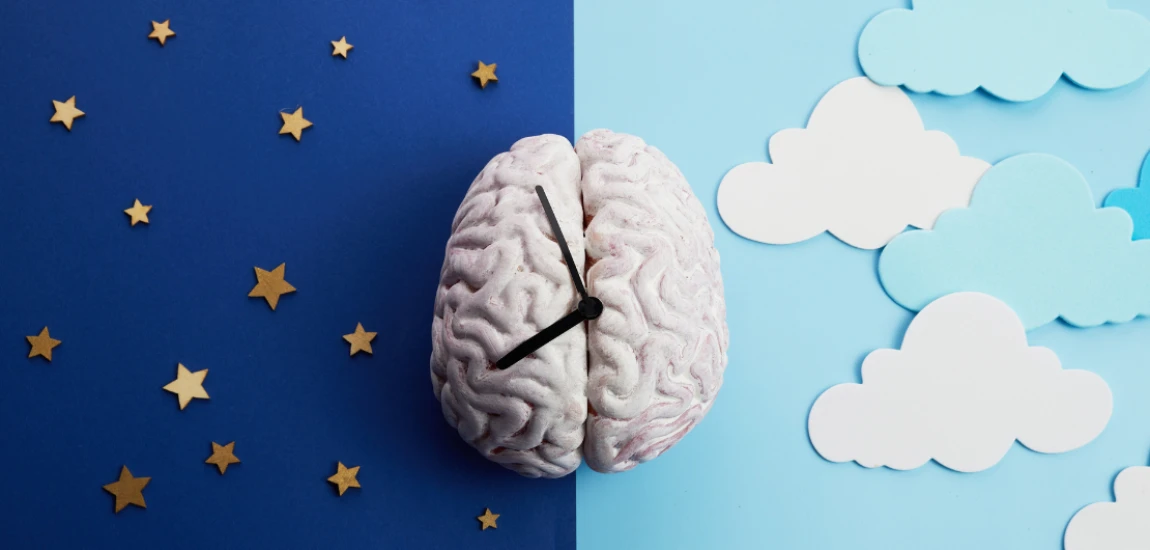
Travel is often designed around destinations, attractions, transportation schedules, and accommodation. But one important part of the travel experience is frequently overlooked: the human body. Travelers may cross several time zones in a single day, sleep at unusual hours, spend long periods indoors, experience artificial lighting late at night, and completely change their normal routines. While these changes can be exciting, they can also leave people feeling tired, unfocused, and disconnected from their usual energy patterns.
This is where circadian travel design could become an important concept in the future of tourism. Circadian rhythms are natural biological cycles that help regulate sleep, wakefulness, alertness, and other daily functions. They are strongly influenced by environmental signals, particularly light and darkness. Future travel systems could use this understanding to create journeys that better support travelers' natural biological rhythms.
Instead of asking only, “What should travelers see?” future trip designers may also ask, “When should travelers see it?” The timing of flights, hotel check-ins, meals, outdoor activities, sightseeing, exercise, relaxation, and sleep could all be considered when designing an itinerary.
A circadian-friendly trip could provide appropriate exposure to daylight after arrival, avoid unnecessarily demanding activities when travelers are likely to be tired, and create hotel environments that support nighttime rest. Technology could further personalize these experiences according to destination, time zone, travel schedule, and individual preferences.
The future of travel may therefore move toward a more human-centered approach where the itinerary is designed not just around the destination, but around the biological needs of the traveler.
Understanding Circadian Travel Design

What are circadian rhythms?
Circadian rhythms are approximately 24-hour biological cycles that influence many aspects of human functioning. The sleep-wake cycle is one of the most recognizable examples. People naturally become more alert during certain parts of the day and more prepared for sleep during others.
Light is one of the most important environmental signals involved in maintaining these rhythms. Natural daylight helps the body understand when it is daytime, while darkness provides an important signal for nighttime.
Travel can disrupt this natural pattern. Crossing time zones means the traveler's internal rhythm may temporarily disagree with the local time. A person might arrive in a new destination when their body still believes it is the middle of the night.
Why travel can disrupt biological rhythms
Long-distance flights, overnight transportation, irregular meals, unfamiliar environments, and artificial lighting can all make it harder to adapt to a new schedule.
A traveler arriving in a destination several hours ahead of home may feel tired during the afternoon and unexpectedly awake during the night. This can affect the enjoyment of sightseeing, dining, cultural activities, and outdoor adventures.
Traditional travel planning often treats these issues as the traveler's responsibility. Circadian travel design could instead make biological adjustment part of the itinerary itself.
From destination-centered to human-centered travel
Most itineraries are organized according to what is available at a destination. Circadian travel design introduces another layer: what is appropriate for the traveler at a particular point in the day.
This could mean scheduling demanding activities when travelers are most likely to have energy and reserving quieter experiences for periods when fatigue is more likely.
The approach does not mean every trip must follow a rigid biological schedule. Instead, it encourages travel planners and technology platforms to consider human rhythms when creating experiences.
The Role of Light in Future Travel Experiences

Designing travel around natural daylight
Light could become one of the most important elements of future circadian-friendly travel.
Outdoor activities scheduled during daylight can provide travelers with natural environmental cues while allowing them to experience the destination in a more comfortable way.
Hotels and resorts could also prioritize rooms with access to natural daylight. Large windows, balconies, outdoor terraces, gardens, and open-air spaces can create stronger connections between travelers and the natural day-night cycle.
This approach could make architecture and itinerary design work together.
Using light strategically after long-distance travel
The timing of light exposure could become an important consideration for travelers crossing time zones. Rather than treating jet lag as an unavoidable inconvenience, future travel platforms could provide personalized guidance around when to seek daylight and when to reduce bright light.
For example, a travel application could consider the traveler's departure time, arrival time, destination, and planned activities when suggesting a schedule for the first day.
This could turn light exposure into part of a broader travel experience rather than a separate wellness recommendation.
Hotels designed for nighttime recovery
The hotel room could also become an important part of circadian travel design.
Rooms could offer adjustable lighting, effective blackout options, quiet environments, and controls that gradually change brightness according to the guest's preferred schedule.
Smart lighting systems could potentially create brighter environments during desired daytime periods and calmer lighting in the evening.
The objective would be to make the hotel environment support the traveler's transition between daytime activity and nighttime rest.
Designing Itineraries Around Energy and Sleep

Scheduling activities according to energy levels
Not every travel experience requires the same amount of physical or mental energy.
Hiking, cycling, long walking tours, adventure activities, and extensive sightseeing can be demanding. Museums, cafés, scenic transportation, wellness sessions, and relaxed cultural experiences may require less physical effort.
Future itinerary systems could consider these differences.
A traveler who has just arrived after a long overnight flight might receive a gentle first-day itinerary rather than a schedule containing several demanding activities.
This could make travel feel less exhausting without reducing the number of meaningful experiences.
Building recovery periods into itineraries
Modern travel often encourages people to maximize every hour. Travelers may feel pressure to visit as many attractions as possible.
Circadian travel design could challenge this approach.
Scheduled recovery periods could become a normal part of itinerary planning. A quiet afternoon at the hotel, a slow meal, a garden visit, or a relaxed walk could provide a useful transition between activities.
These pauses would not necessarily represent “wasted time.” They could help travelers maintain energy throughout the entire journey.
Protecting sleep during travel
Sleep is another important consideration.
Future travel platforms could identify accommodation with features that support nighttime rest, such as quiet surroundings, appropriate window coverings, comfortable room temperatures, and controllable lighting.
Travel itineraries could also avoid scheduling very early activities immediately after late-night arrivals unless the traveler specifically requests them.
This could create a more sustainable travel pace.
How Technology Could Personalize Circadian-Friendly Journeys

AI-powered itinerary planning
Artificial intelligence could make circadian travel design highly personalized.
An AI travel assistant could analyze travel times, destination time zones, daily schedules, weather, transportation, and traveler preferences to create an itinerary that considers both the destination and the traveler's likely energy patterns.
Instead of generating a fixed schedule, the system could continuously adjust it.
If a traveler experiences a delayed flight or an unusually tiring day, the itinerary could automatically reduce demanding activities and move them to another time.
Smart hotel environments
Hotels could use connected technology to create personalized room environments.
Smart lighting, temperature controls, automated curtains, noise-management systems, and digital sleep preferences could allow rooms to respond to individual needs.
A traveler could enter their preferred sleep schedule before arrival, allowing the room environment to prepare accordingly.
This could make accommodation feel more responsive to the human body.
Wearable technology and travel data
Wearable devices may also play a role in future travel personalization.
With user permission, devices could provide information about sleep patterns, activity, and daily routines.
Travel systems could use this information to make suggestions such as taking a break, choosing a less demanding activity, or spending time outdoors.
However, privacy would be essential. Travelers should have clear control over what information is collected and whether it is shared.


Gary Arndt operates "Everything Everywhere," a blog focusing on worldwide travel. An award-winning photographer, Gary shares stunning visuals alongside his travel tales.
Gary Arndt

Prev Post
Next Post