
Borderless Cultural Experiences: How Technology Is Connecting Travelers With Local Communities
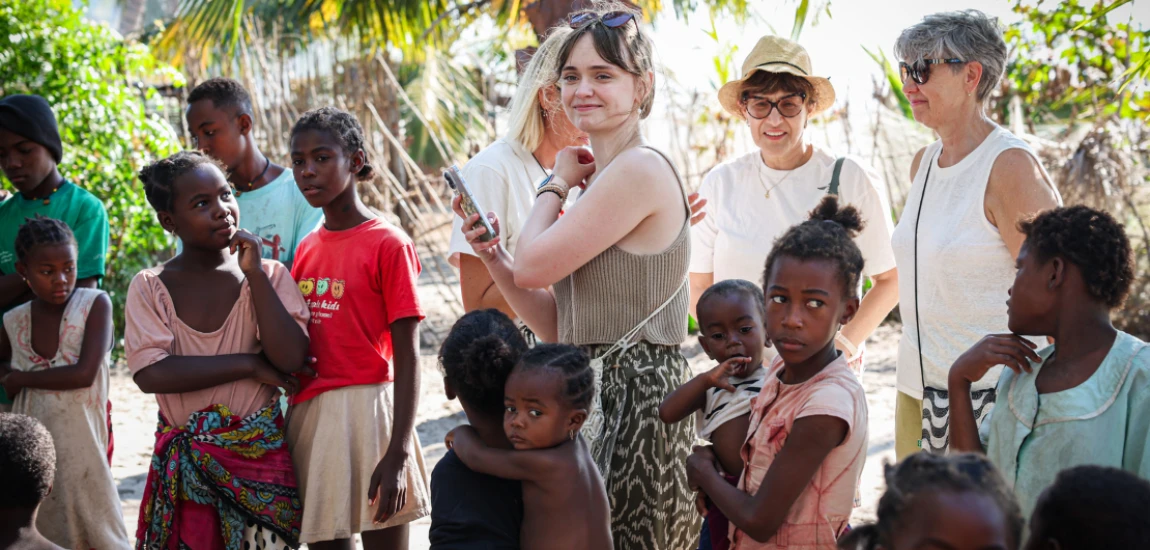
Travel has traditionally depended on physical movement. To experience another culture, travelers usually had to cross a border, book a flight, find accommodation, and arrive at a destination.
Technology is changing that relationship.
Today, travelers can speak with local residents before arriving, learn traditional cooking from someone thousands of miles away, explore a neighborhood through a virtual guide, attend digital cultural events, or use translation technology to communicate more naturally during a trip.
These developments are creating borderless cultural experiences—connections that are no longer limited by geography.
The opportunity is significant. Technology can make cultural exchange more accessible while giving local communities new ways to share knowledge, traditions, creativity, and stories.
However, digital connection alone does not guarantee meaningful cultural tourism. Technology must be designed and used in ways that respect local communities rather than turning culture into a product detached from its people.
Understanding Borderless Cultural Experiences

What Makes Cultural Experiences “Borderless”?
Borderless cultural experiences are interactions between travelers and communities that can happen regardless of physical distance.
A traveler in one country might participate in a virtual cooking class led by a chef in another. A student might learn traditional music from an international instructor. A visitor planning a trip might communicate directly with a local guide months before arrival.
The physical journey is no longer the only way to begin cultural discovery.
Digital platforms can create the first connection, while in-person travel can deepen it later.
This combination creates a more continuous relationship between traveler and destination.
Technology Is Changing the Meaning of Travel
Travel technology once focused primarily on logistics.
Online booking systems made it easier to reserve flights and hotels. Digital maps helped travelers navigate unfamiliar places. Review websites helped people compare restaurants and attractions.
Now technology increasingly influences the experience itself.
Artificial intelligence, video platforms, translation tools, virtual reality, messaging applications, and community marketplaces can connect people directly.
The traveler is no longer simply consuming information about a destination. They can potentially interact with the people who live there.
Cultural Exchange Can Begin Before Arrival
One of the most valuable changes is timing.
Cultural exchange can begin before a traveler leaves home.
Visitors can communicate with local hosts, learn basic phrases, attend virtual workshops, research customs, and discover local perspectives.
This preparation can make physical travel more respectful and rewarding.
Instead of arriving with only a list of attractions, travelers may arrive with a deeper understanding of the community they are about to visit.
Digital Platforms Are Creating New Connections

Connecting Travelers With Local Guides
Digital platforms make it easier for travelers to find local guides who offer specialized experiences.
A guide might focus on architecture, food, history, photography, traditional crafts, neighborhood stories, nature, or contemporary culture.
This creates opportunities for travelers to move beyond standardized tours.
A local guide can explain not only what visitors are seeing but why it matters to residents.
The economic benefit can also flow directly to individuals and small businesses rather than being concentrated entirely in large tourism companies.
Discovering Community-Based Experiences
Technology can help small community organizations reach international travelers.
A family-run cooking experience, artisan workshop, local walking tour, farm visit, or cultural class can be promoted online without requiring a large marketing budget.
This can increase visibility for businesses that might otherwise struggle to compete with major tourism operators.
Travelers should still research providers carefully.
A digital presence does not automatically mean an experience is ethical, authentic, or community-led.
Creating Direct Communication
Messaging tools can make communication between hosts and travelers faster and easier.
Visitors can ask questions about local customs, transportation, food, schedules, accessibility, and expectations before booking.
This direct relationship can reduce misunderstandings.
It can also help travelers understand whether an experience genuinely reflects local life.
Virtual Cultural Experiences Are Expanding Access

Exploring Culture Without Physical Travel
Virtual tourism allows people to experience aspects of other cultures without physically traveling.
Online museum tours, live cultural events, virtual neighborhood walks, digital performances, and interactive workshops can introduce audiences to places they may never visit in person.
This can be particularly valuable for people facing financial, physical, geographic, or time limitations.
Virtual experiences do not necessarily replace travel.
Instead, they can provide an additional layer of cultural access.
Virtual Cooking and Craft Workshops
Hands-on digital workshops have become a powerful way to connect people across borders.
A local cook can teach participants how to prepare a traditional dish. An artisan can demonstrate weaving, pottery, painting, carving, or another craft.
These experiences allow cultural knowledge to travel digitally while maintaining a human connection.
The strongest programs often include storytelling and context.
Participants learn not only how something is made but also why it matters.
Digital Cultural Events
Music, dance, storytelling, theater, festivals, and lectures can reach global audiences through digital platforms.
This expands the potential audience for local performers and cultural organizations.
It can also encourage international audiences to become future visitors.
Someone who discovers a cultural tradition online may later decide to travel and experience it in person.
Translation Technology Is Reducing Language Barriers

Making Local Communication Easier
Language has traditionally been one of the biggest barriers to cultural exchange.
Translation applications and AI-powered language tools can help travelers understand menus, signs, directions, and conversations.
This makes independent travel easier.
However, technology should not replace the effort to learn local phrases.
Even a few basic words can demonstrate respect and create a more personal interaction.
Learning Before the Journey
Travelers can use digital tools to learn greetings, common expressions, pronunciation, and cultural etiquette before arriving.
This preparation can make interactions more comfortable.
It also helps travelers understand that language is more than vocabulary.
Tone, gestures, humor, formality, and context all matter.
Technology Should Support, Not Replace Human Interaction
Translation tools are useful, but imperfect.
Automated translations can miss cultural nuances, idioms, sarcasm, or context.
Travelers should use them as communication aids rather than assuming every translation is completely accurate.
The most meaningful cultural exchange still happens between people.
Technology should make that interaction easier—not eliminate it.


Derek Baron, also known as "Wandering Earl," offers an authentic look at long-term travel. His blog contains travel stories, tips, and the realities of a nomadic lifestyle.
Derek Baron
Prev Post
Next Post