
Biodiversity Tourism: How Wildlife Experiences Can Support Conservation and Ecosystem Recovery
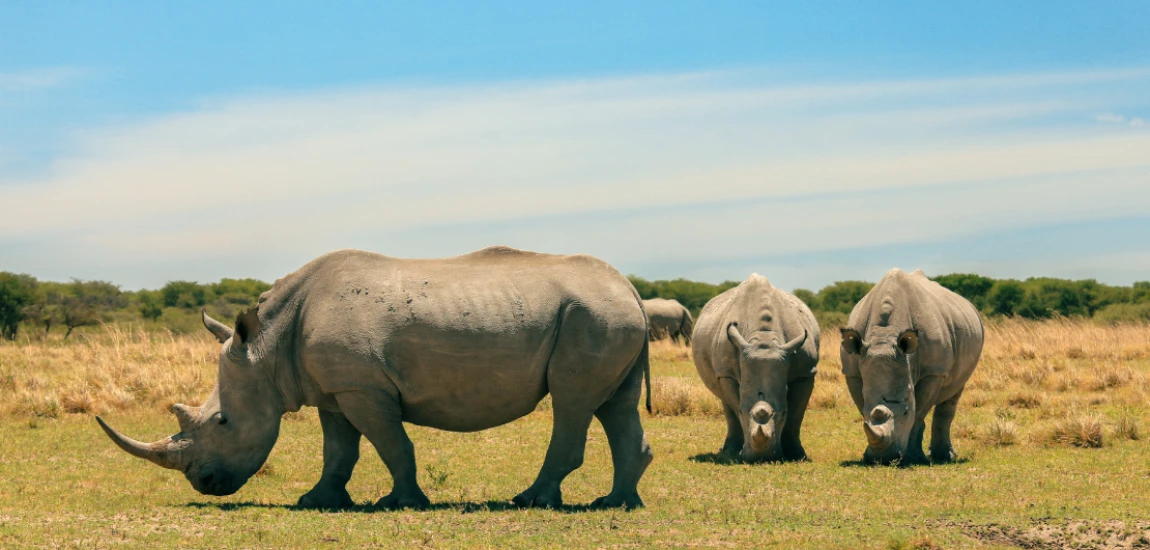
Wildlife and biodiversity are among the world's greatest travel attractions. From watching elephants in grasslands and observing birds in wetlands to exploring coral reefs and discovering rare plants in forests, nature-based experiences can create powerful connections between people and the natural world.
However, tourism can have two very different effects on biodiversity. Poorly managed wildlife tourism can disturb animals, damage habitats, increase waste, and place pressure on fragile ecosystems. Responsible tourism, on the other hand, can generate funding for conservation, create local employment, encourage habitat protection, and help travelers understand why biodiversity matters.
This is where biodiversity tourism becomes increasingly important. Rather than treating wildlife simply as an attraction, biodiversity tourism connects travel experiences with the protection and restoration of ecosystems.
The objective is to create a positive relationship between visitors, local communities, tourism businesses, and nature. When carefully designed, wildlife experiences can become a source of conservation funding and an incentive to protect habitats.
Understanding Biodiversity Tourism and Its Growing Importance

What Biodiversity Tourism Means
Biodiversity tourism focuses on experiences that allow travelers to appreciate wildlife, plants, ecosystems, and natural landscapes while contributing to their protection.
It can include wildlife safaris, birdwatching, marine tourism, rainforest experiences, conservation tours, protected-area visits, ecological education, and community-led nature experiences.
The key difference between ordinary sightseeing and biodiversity tourism is the emphasis on ecological value and responsible interaction.
Travelers are encouraged to understand the ecosystems they are visiting rather than simply photographing animals.
Why Biodiversity Matters to Tourism
Healthy ecosystems provide many of the experiences that attract visitors. Forests, coral reefs, wetlands, mountains, grasslands, and coastal environments all contribute to the appeal of destinations.
When these ecosystems decline, tourism can also suffer. Wildlife populations may disappear, landscapes can become degraded, and natural attractions may lose their appeal.
Protecting biodiversity is therefore not only an environmental responsibility. It can also protect the long-term economic foundation of nature-based tourism.
Turning Tourism Into a Conservation Incentive
Tourism can create a financial reason to protect habitats. When local communities and conservation organizations generate income from responsible wildlife experiences, healthy ecosystems can become economically valuable.
This can encourage investment in protected areas, habitat restoration, wildlife monitoring, and environmental education.
The goal is to create a system where protecting nature generates more long-term value than destroying it.
How Wildlife Experiences Can Fund Conservation

Tourism Revenue and Protected Areas
National parks and protected areas often require significant resources for management, monitoring, infrastructure, and conservation programs.
Entrance fees, permits, guided tours, accommodation, and other tourism services can contribute to these costs.
When tourism revenue is transparently connected to conservation, visitors can understand how their spending supports the places they came to experience.
Supporting Wildlife Protection Programs
Wildlife tourism can help fund activities such as habitat monitoring, anti-poaching efforts, species research, veterinary programs, and environmental education.
Responsible tourism businesses can also create direct partnerships with conservation organizations.
These relationships can make tourism a practical source of long-term conservation funding rather than relying entirely on donations or government budgets.
Measuring Conservation Impact
For biodiversity tourism to maintain credibility, conservation claims should be measurable.
Tourism organizations can report on outcomes such as habitat restored, species monitored, conservation projects supported, local jobs created, or community funds generated.
Transparent impact reporting helps travelers understand the relationship between their spending and environmental outcomes.
Supporting Local Communities Through Biodiversity Tourism

Creating Nature-Based Livelihoods
Local communities often live closest to important ecosystems. Tourism can create employment opportunities through guiding, accommodation, transportation, food services, handicrafts, environmental education, and conservation work.
These jobs can provide alternatives to activities that may damage ecosystems.
For example, a trained local wildlife guide can earn income by protecting and interpreting a landscape rather than exploiting its natural resources.
Encouraging Community Ownership
Community involvement is essential for long-term conservation. Local residents should have meaningful opportunities to participate in tourism planning and benefit from tourism revenue.
Community-owned lodges, locally operated tours, conservation cooperatives, and community wildlife programs can give residents greater economic control.
When communities benefit directly from healthy ecosystems, conservation can become a shared economic interest.
Reducing Economic Pressure on Wildlife
In some regions, communities may face difficult economic choices when natural resources provide immediate income.
Biodiversity tourism can create alternative sources of income linked to conservation.
However, tourism should never be presented as a universal solution. It must be carefully planned to ensure that visitor demand does not create new environmental pressures or economic inequalities.
Designing Responsible Wildlife Experiences

Keeping a Safe Distance From Animals
Wildlife tourism should prioritize animal welfare. Visitors should maintain appropriate distances, avoid feeding wildlife, and follow instructions from trained guides.
Close encounters may appear exciting, but they can alter animal behavior, increase stress, and create dangerous situations.
Responsible operators should establish clear wildlife-viewing guidelines and ensure that visitors understand why these rules matter.
Managing Visitor Numbers
Too many visitors in sensitive habitats can create significant ecological pressure. Crowding can disturb animals, damage vegetation, increase noise, and produce waste.
Destinations can manage these pressures through visitor limits, timed entry, designated routes, seasonal closures, and restricted-access areas.
Quality-focused tourism can often create more value than high-volume tourism.
Avoiding Exploitative Wildlife Attractions
Not every wildlife experience contributes to conservation. Travelers should be cautious about attractions that involve direct contact with wild animals, unnatural performances, inappropriate feeding, or questionable breeding practices.
Responsible wildlife tourism should prioritize observation, education, animal welfare, and ecosystem protection.


Gary Arndt operates "Everything Everywhere," a blog focusing on worldwide travel. An award-winning photographer, Gary shares stunning visuals alongside his travel tales.
Gary Arndt

Prev Post

Next Post