
Autonomous Tourism Emergency Response Coordination Systems: Building Safer and More Resilient Destinations
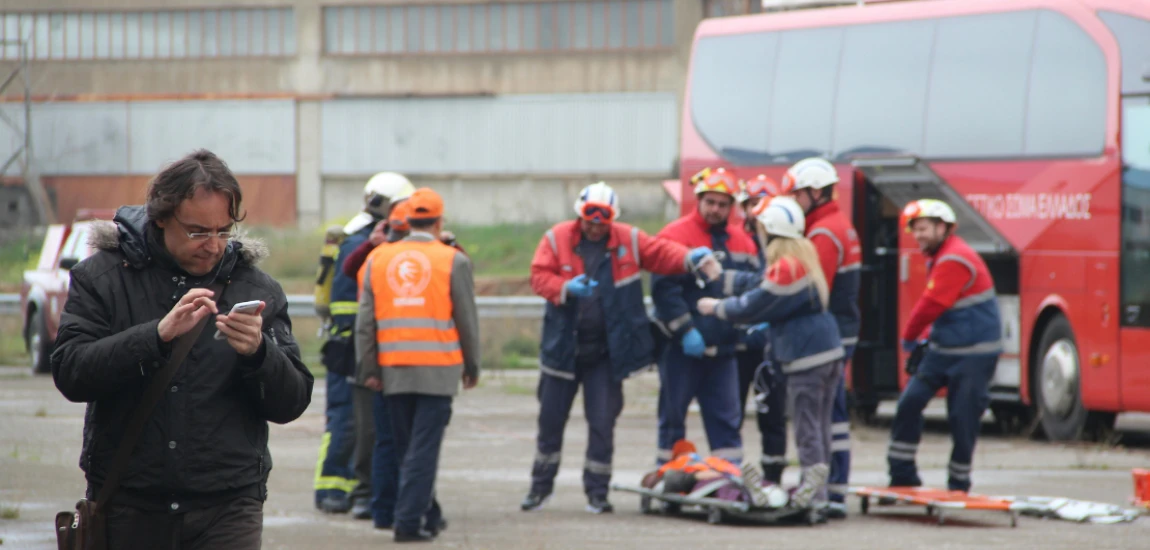
Tourism destinations welcome millions of visitors to beaches, mountains, cities, cultural attractions, and remote natural environments. While tourism creates economic opportunities and cultural connections, destinations must also prepare for emergencies that can threaten visitors, residents, infrastructure, and local businesses. Natural disasters, severe weather, medical incidents, transportation disruptions, fires, and security threats require reliable systems that can identify risks and coordinate an effective response.
**Autonomous Tourism Emergency Response Coordination Systems** use digital technologies, real-time information, automated alerts, and connected emergency services to improve destination preparedness. These systems can help tourism authorities recognize developing threats, share relevant information, direct people toward safer locations, and coordinate responses among emergency teams.
For example, when severe weather threatens a coastal destination, an integrated system could combine weather alerts, local sensor information, transport conditions, and official emergency instructions. It could then notify relevant authorities, help identify affected visitor areas, and distribute verified warnings through suitable communication channels.
Autonomous coordination does not mean removing human responsibility from emergency decisions. Instead, it helps emergency professionals access timely information and coordinate their actions more efficiently.
By combining intelligent monitoring with trained personnel, clear procedures, and reliable communication, destinations can strengthen tourism safety, reduce confusion during crises, and improve long-term resilience.
Understanding Autonomous Tourism Emergency Response Coordination Systems

What Are Autonomous Emergency Response Systems?
Autonomous tourism emergency response coordination systems are connected digital platforms designed to support emergency detection, information sharing, alert distribution, and response coordination across tourism destinations.
They may combine artificial intelligence, geographic information systems, environmental sensors, communication networks, and emergency management software. These technologies help authorities understand developing situations and organize appropriate responses.
For example, a mountain tourism destination could monitor weather forecasts, trail conditions, visitor reports, and road closures through an integrated platform. If dangerous conditions emerge, the system could flag affected routes and help authorities communicate warnings to visitors and tour operators.
The exact capabilities depend on the technology available, the quality of incoming information, and the emergency procedures established by the destination.
Why Tourism Destinations Need Coordinated Preparedness
Tourism environments can be challenging during emergencies because visitors may not understand local geography, emergency numbers, warning systems, or evacuation routes.
Language differences, unfamiliar surroundings, limited connectivity, and seasonal crowds can make communication more difficult. Remote attractions may also be far from hospitals, fire services, or other emergency facilities.
A coordinated system helps relevant organizations share information rather than working through disconnected communication channels.
Tourism operators, local authorities, emergency responders, transport providers, and accommodation businesses can use agreed procedures to exchange verified information and support visitors.
This coordination is particularly important during complex incidents that affect multiple neighborhoods, transport routes, or visitor facilities.
The Role of Human Decision-Making
Automation can help identify patterns, prioritize incoming reports, and distribute approved alerts, but emergency response still requires human judgment.
An algorithm might detect an unusual rise in temperature or a growing number of incident reports. Trained professionals must determine whether the information represents a genuine threat and what action is appropriate.
Destinations should define which actions can be automated and which require authorization from emergency personnel.
Clear accountability, testing, and human oversight help prevent false alarms and inappropriate instructions.
The most effective systems combine technology with trained responders, established emergency plans, and regular community engagement.
Using Real-Time Risk Monitoring and Early Warning Technology

Collecting Information From Multiple Sources
Real-time risk monitoring helps destinations identify emerging hazards before they develop into larger emergencies.
Information sources may include official weather forecasts, environmental sensors, traffic monitoring, emergency calls, transport updates, and reports from tourism operators. Geographic information systems can display this information on maps, helping authorities understand where incidents are occurring and which areas may be affected.
For example, a destination experiencing heavy rainfall could monitor river levels, road conditions, and landslide warnings. Combining these information sources may help officials identify vulnerable areas and prepare appropriate precautions.
However, monitoring systems should rely on credible data and clearly indicate when information is incomplete or outdated.
Artificial Intelligence for Predictive Risk Analysis
Artificial intelligence can analyze large amounts of historical and current information to identify patterns that may indicate rising risk.
A destination might examine previous wildfire incidents, temperature trends, vegetation conditions, visitor density, and access routes to identify areas requiring additional attention.
Similarly, transport data and weather information can help authorities anticipate potential disruptions during major events.
Predictive models support preparedness, but their forecasts are not guarantees. An unusual event may occur outside historical patterns, and inaccurate data can produce misleading results.
Authorities should validate automated assessments against trusted sources and professional judgment before taking consequential action.
Delivering Timely and Accessible Early Warnings
An early warning is useful only when people receive, understand, and act on it.
Tourism destinations can distribute verified warnings through mobile notifications, accommodation reception systems, transport announcements, digital signage, official websites, and tour operators.
Messages should explain the hazard, affected location, recommended action, and where travelers can obtain updates.
For international visitors, multilingual communication can improve understanding. Accessible formats, including audio announcements and clear visual instructions, help reach people with different communication needs.
Destinations should also provide alternatives for people without smartphones or reliable internet access.
Regular testing ensures that warning channels function properly and that visitors know where to find official instructions during an emergency.
Coordinating Emergency Services and Tourism Stakeholders

Connecting Emergency Response Organizations
Effective emergency management requires cooperation between fire services, police, ambulance providers, hospitals, civil protection authorities, and relevant tourism organizations.
Without shared procedures, different agencies may receive conflicting reports, duplicate work, or struggle to determine who is responsible for a particular action.
A coordinated digital platform can help authorized personnel share incident updates, identify available resources, and maintain a common understanding of the situation.
For example, during a major road accident near a tourist attraction, responders may need information about road access, nearby medical facilities, visitor transport, and alternative routes.
A shared operational picture can help agencies coordinate their activities more effectively.
These arrangements should be supported by predefined communication protocols, clear responsibilities, and secure access controls.
Involving Hotels, Tour Operators, and Attractions
Tourism businesses are often among the first organizations to communicate directly with affected visitors.
Hotels may need to account for guests, tour operators may need to cancel activities, and attractions may need to close unsafe facilities.
Emergency coordination systems can provide these organizations with verified instructions and a reliable way to report incidents.
For instance, an accommodation provider receiving an official evacuation notice should know which areas are affected, where guests should go, and which communication channel will provide further updates.
Tourism operators should maintain current contact lists, guest communication procedures, and emergency staff responsibilities.
They should also coordinate with public authorities rather than issuing independent instructions that conflict with official guidance.
Establishing Clear Roles and Communication Procedures
Technology cannot compensate for unclear responsibilities.
Every participating organization should understand who verifies an incident, who authorizes public warnings, who coordinates field operations, and who communicates with visitors.
Destinations can establish shared incident classifications, escalation procedures, communication templates, and backup contact methods.
Regular exercises help participants identify weaknesses before a real emergency occurs.
After an incident or exercise, organizations should review their performance, document lessons learned, and update response plans.
Clear responsibilities reduce confusion and help ensure that the emergency coordination system supports practical action rather than simply collecting information.


Gary Arndt operates "Everything Everywhere," a blog focusing on worldwide travel. An award-winning photographer, Gary shares stunning visuals alongside his travel tales.
Gary Arndt

Prev Post

Next Post