
Autonomous Destination Maintenance and Asset Longevity Networks: Transforming Tourism Infrastructure Through Predictive Technology
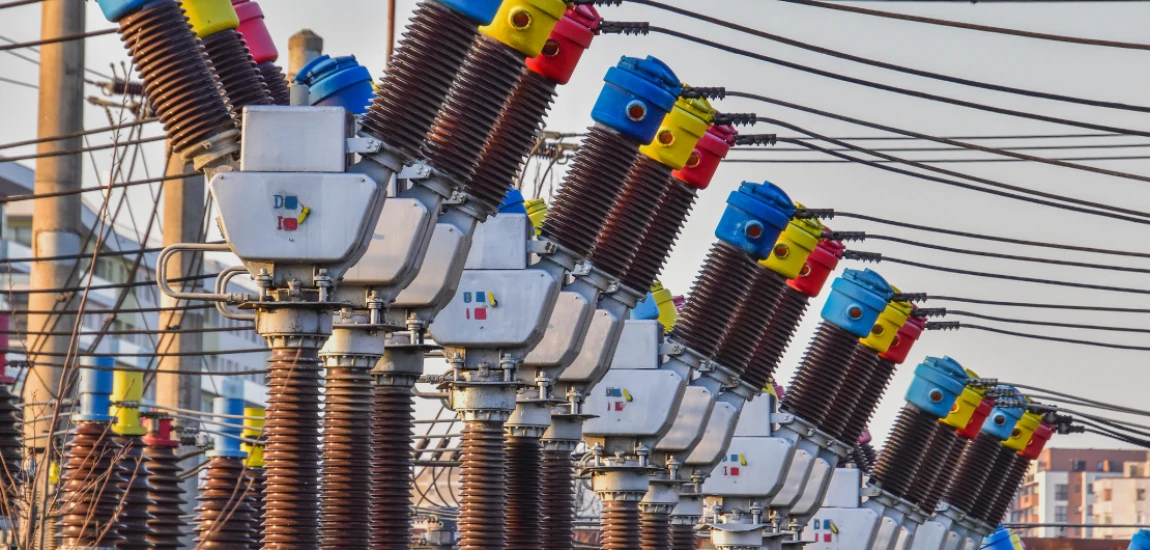
Tourism destinations depend on reliable infrastructure to deliver safe, comfortable, and memorable visitor experiences. Hotels need functioning elevators and climate control systems, airports require dependable transport facilities, and attractions rely on safe walkways, lighting, water systems, and public amenities. When essential infrastructure fails, the consequences can include service disruptions, unexpected expenses, visitor dissatisfaction, and safety risks.
Traditional maintenance often relies on fixed inspection schedules or repairs after equipment breaks down. Although these methods remain necessary in many situations, they may not identify developing problems early enough to prevent disruption. Autonomous Destination Maintenance and Asset Longevity Networks offer a more proactive approach by connecting sensors, maintenance systems, infrastructure performance data, and predictive analytics.
These networks help tourism operators identify unusual equipment behavior, forecast maintenance needs, coordinate repairs, and monitor the long-term condition of physical assets. Rather than treating every failure as an isolated incident, destination managers can develop an integrated understanding of how infrastructure performs across hotels, transport networks, attractions, utilities, and public spaces.
The goal is not simply to automate maintenance. It is to extend asset life, improve operational reliability, control lifecycle costs, and protect the quality of tourism experiences.
Understanding Autonomous Destination Maintenance Networks

Moving Beyond Reactive Maintenance
Reactive maintenance begins after a problem has already occurred. A hotel may repair an elevator after it stops working, or a destination authority may replace damaged lighting after visitors report a failure. Although reactive repairs can be appropriate for unexpected incidents, relying on them exclusively can increase costs and operational disruption.
Autonomous destination maintenance uses continuous monitoring and data-driven decision-making to identify potential problems earlier. Sensors and connected equipment can reveal changes in temperature, vibration, pressure, energy consumption, or operating performance that indicate developing faults.
For example, unusual vibration in a ventilation fan may suggest bearing wear. Detecting the problem early can allow technicians to schedule a repair before the equipment fails during a busy tourism period.
Connecting Infrastructure Across a Destination
A destination contains many interconnected assets, including roads, bridges, public transport facilities, drainage systems, buildings, lighting networks, water supplies, and waste management equipment.
An asset longevity network brings information from these systems into a coordinated maintenance environment. Authorized teams can review asset condition, identify recurring faults, prioritize repairs, and understand how one failure might affect other services.
This network-based approach is particularly useful for destinations with large visitor flows or geographically dispersed facilities.
Understanding Autonomous Operations
Autonomous maintenance does not mean that every repair should happen without human involvement. Instead, automation can support selected tasks such as monitoring performance, detecting anomalies, generating maintenance alerts, scheduling inspections, and recommending repair priorities.
High-risk repairs, major spending decisions, and safety-critical interventions should remain subject to appropriate professional oversight.
By combining automated monitoring with skilled maintenance teams, destinations can make infrastructure management more proactive, coordinated, and reliable.
Using Smart Sensors to Monitor Tourism Infrastructure

Monitoring Equipment Performance in Real Time
Smart sensors provide continuous information about the operating condition of infrastructure. Depending on the asset, they may measure temperature, vibration, humidity, pressure, water flow, electrical current, or structural movement.
Hotels can monitor heating, ventilation, and air-conditioning systems, while airports and railway stations can track elevators, escalators, and ventilation equipment. Public authorities may use sensors to monitor drainage, street lighting, water distribution, or selected structural conditions.
The value of monitoring comes from identifying meaningful changes rather than collecting data without a clear purpose. Maintenance teams need appropriate thresholds, reliable sensor calibration, and procedures for responding to alerts.
Problems Before They Become Failures
Equipment frequently shows warning signs before it stops working. Rising temperatures, repeated pressure fluctuations, unusual vibration, and unexpected energy consumption may indicate wear, leaks, blockages, or inefficient operation.
A connected monitoring system can compare current readings with normal operating patterns and flag unusual behavior. Technicians can then investigate whether the signal represents a genuine fault, a temporary change in operating conditions, or a faulty sensor.
For tourism businesses, early detection can prevent a small issue from becoming a costly disruption. Identifying a water leak, for instance, may reduce property damage, water loss, and the need to close guest facilities.
Prioritizing High-Value Assets
Installing sensors on every asset may be too expensive or unnecessary. Destinations should begin with infrastructure whose failure would create significant safety, environmental, financial, or visitor-service consequences.
Actionable insight: Create an asset inventory and rank equipment according to criticality, replacement cost, failure history, and service impact. Pilot sensors on a small group of high-priority assets, then evaluate whether the information improves maintenance decisions before expanding the program.
This targeted approach helps organizations invest in monitoring where it can deliver the greatest practical value.
Implementing Predictive Maintenance for Longer Asset Lifespans

Forecasting Maintenance Requirements
Predictive maintenance uses equipment condition, historical failure records, operating hours, environmental conditions, and other relevant information to estimate when maintenance may be required.
For example, a resort may combine pump vibration measurements with operating history to identify signs of wear. Instead of replacing components only at fixed intervals or waiting for a breakdown, the maintenance team can investigate and schedule work based on observed condition.
Predictions are estimates, not guarantees. Their accuracy depends on data quality, the suitability of the analytical model, and the complexity of the equipment. Critical systems may still require scheduled inspections and manufacturer-recommended maintenance.
Preventing Premature Replacement
Infrastructure assets often remain usable when maintained properly. Replacing equipment too early wastes money and materials, while delaying necessary repairs can accelerate deterioration and increase risk.
Predictive maintenance helps managers make more informed decisions about repair, refurbishment, and replacement. A building's ventilation system, for instance, may need a targeted component replacement rather than a complete system overhaul.
Maintenance records also reveal recurring problems that might indicate unsuitable equipment, poor installation, or operating conditions that shorten asset life.
Creating Condition-Based Maintenance Schedules
Traditional maintenance schedules often use fixed time intervals. Condition-based maintenance adjusts the timing of inspections and interventions according to actual equipment performance, while respecting mandatory safety and servicing requirements.
This approach can reduce unnecessary maintenance and help teams focus on assets showing signs of deterioration.
For successful implementation, destinations should define alert thresholds, escalation procedures, spare-parts requirements, and responsibilities for responding to predicted failures. Maintenance recommendations should also be documented so teams can compare predictions with actual outcomes.
Over time, this feedback improves maintenance planning and supports more reliable infrastructure performance.


Derek Baron, also known as "Wandering Earl," offers an authentic look at long-term travel. His blog contains travel stories, tips, and the realities of a nomadic lifestyle.
Derek Baron

Prev Post

Next Post