
AI-Powered Visitor Flow Optimization – Using Real-Time Technology to Distribute Tourists Across Destinations More Efficiently
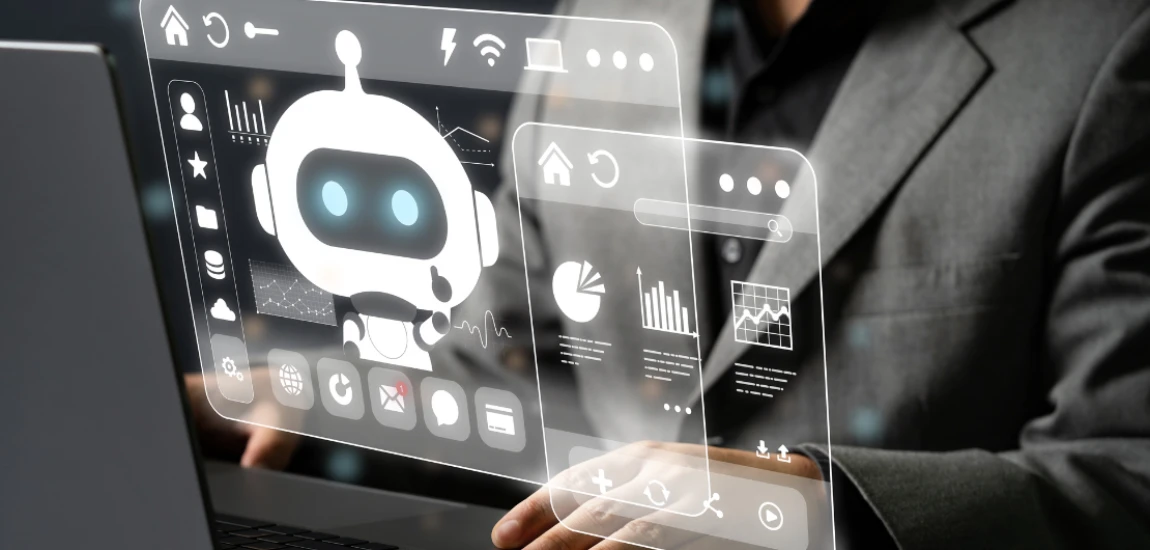
Tourism destinations are becoming increasingly connected, data-driven, and dependent on technology to manage growing visitor demand. While tourism creates jobs, supports local businesses, and generates economic opportunities, large concentrations of visitors can create congestion, long queues, transportation problems, environmental pressure, and uncomfortable experiences for both residents and travelers.
One of the biggest challenges is that tourists rarely distribute themselves evenly. Most visitors naturally move toward famous landmarks, popular neighborhoods, highly reviewed restaurants, scenic viewpoints, and attractions promoted across digital platforms. As a result, one location can become extremely crowded while nearby attractions remain relatively quiet.
AI-Powered Visitor Flow Optimization offers a new approach to this challenge. Instead of waiting for overcrowding to happen, artificial intelligence can analyze real-time information and help destinations understand where visitors are moving, where congestion is developing, and where tourists could be redirected.
Real-time visitor flow management can combine information from ticketing systems, transportation networks, attraction reservations, mobile applications, sensors, weather conditions, event schedules, and historical tourism patterns. AI systems can then identify patterns and recommend actions.
The objective is not simply to restrict tourists. It is to create a better distribution of visitors across locations and time periods. When implemented effectively, intelligent visitor management can reduce pressure on popular sites while helping lesser-known attractions, businesses, and communities receive more tourism benefits.
Understanding AI-Powered Visitor Flow Optimization

AI-powered visitor flow optimization refers to the use of artificial intelligence, real-time data, predictive analytics, and digital tourism platforms to influence how visitors move through a destination.
Instead of treating visitor movement as something unpredictable, destination managers can use technology to understand patterns and respond dynamically.
From Static Tourism Planning to Real-Time Management
Traditional destination planning often relies on historical statistics. Tourism authorities may study annual visitor numbers and seasonal patterns to determine infrastructure requirements.
Although useful, historical data cannot always explain what is happening right now.
A sudden event, weather change, transportation disruption, viral social media post, or unexpected attraction closure can quickly change visitor behavior.
Real-time tourism technology allows destination managers to respond to these changes. If one attraction becomes crowded, digital systems can identify the increase and recommend alternative experiences.
This creates a more flexible tourism management model.
Understanding Visitor Distribution
The total number of tourists in a destination does not always determine whether overcrowding exists.
A city could have thousands of visitors while maintaining comfortable conditions across many neighborhoods. However, if most tourists visit the same attraction during the same two-hour period, severe congestion can occur.
AI-powered visitor flow systems therefore focus on distribution, not simply visitor volume.
They examine where tourists are located, how quickly they are moving, how long they stay, and where they are likely to go next.
Connecting Tourism Data Sources
An effective system can combine multiple data sources.
These may include attraction bookings, public transportation usage, hotel occupancy, traffic information, weather forecasts, event schedules, anonymized mobility patterns, and visitor app interactions.
When these datasets are analyzed together, AI can create a more complete picture of destination activity.
This enables tourism managers to make faster and better-informed decisions.
Using Real-Time Data to Monitor Tourist Movement

Real-time information is central to intelligent visitor flow management because tourism conditions can change rapidly throughout the day.
Tracking Crowds and Congestion
Smart tourism systems can use sensors, ticketing information, transportation data, and other appropriate sources to estimate visitor density.
Managers can identify locations where crowd levels are increasing and compare them with predetermined capacity thresholds.
For example, if a popular viewpoint begins approaching its comfortable visitor capacity, the system can trigger an alert.
Officials can then take action before overcrowding becomes severe.
Identifying Visitor Movement Patterns
AI can analyze how tourists move between attractions.
If data shows that visitors commonly travel from a historic landmark to a nearby market during the afternoon, destination managers can anticipate increased demand along that route.
This information can support transportation planning, pedestrian management, staffing, and visitor communication.
Over time, repeated movement patterns can help create increasingly accurate visitor flow models.
Responding to Unexpected Changes
Tourism demand can change unexpectedly because of weather, concerts, festivals, sporting events, transportation delays, or temporary closures.
A real-time system can detect these disruptions and adjust recommendations.
If rain suddenly affects an outdoor attraction, an AI-powered platform could encourage visitors to explore museums or indoor cultural experiences instead.
This reduces pressure on unaffected attractions while maintaining visitor satisfaction.
Using AI to Redirect Visitors More Efficiently

Monitoring visitor flows is only the first step. The real value of AI comes from using insights to influence visitor decisions.
Recommending Alternative Attractions
When popular sites become crowded, intelligent tourism platforms can recommend alternatives based on visitor interests.
A traveler interested in history might be directed toward a less crowded museum rather than simply being told to avoid a popular historical attraction.
Similarly, travelers interested in nature could receive recommendations for nearby parks or trails with lower visitor density.
This approach makes visitor redistribution more attractive because it offers choices rather than restrictions.
Personalizing Recommendations
Different travelers have different interests, budgets, mobility requirements, and available time.
AI can potentially use voluntarily provided preferences to generate personalized alternatives.
For example, a traveler interested in food and culture could receive recommendations for a less crowded neighborhood food market, while a family might receive a quieter attraction with appropriate facilities.
Personalization increases the likelihood that visitors will accept alternative recommendations.
Using Incentives to Influence Movement
Destinations can combine AI recommendations with incentives.
Visitors could receive discounts, special experiences, transportation benefits, or promotional offers for exploring less crowded locations or visiting during off-peak periods.
Local businesses can also participate by offering benefits to travelers who follow alternative tourism routes.
This creates a system where visitor redistribution can benefit both tourists and local economies.
Improving Transportation Through Intelligent Visitor Flow Management

Transportation plays a major role in how tourists move through destinations. Poorly managed visitor flows can create congestion not only at attractions but also on roads, public transportation networks, parking areas, and pedestrian routes.
Optimizing Public Transportation
AI can help transportation operators understand periods of unusually high tourism demand.
If a particular attraction is experiencing a large increase in visitors, public transportation services serving that area may need additional capacity.
Predictive systems can help anticipate these changes and support more efficient transportation planning.
Better coordination between attractions and transport networks can reduce waiting times and congestion.
Managing Routes and Travel Times
Digital tourism platforms can provide travelers with alternative routes based on current conditions.
If one road or transit line becomes crowded, travelers can be encouraged to use another route.
Walking and cycling options can also be promoted where appropriate.
The objective is not simply to move tourists faster but to distribute transportation demand more evenly.
Coordinating Attractions and Mobility
The strongest visitor flow systems connect attractions with transportation information.
Suppose a major attraction is approaching capacity while a nearby attraction has plenty of available space. The system can recommend the alternative attraction and provide transportation instructions at the same time.
This creates a connected destination experience in which visitor management and mobility planning work together.


Kate McCulley, the voice behind "Adventurous Kate," provides travel advice tailored for women. Her blog encourages safe and adventurous travel for female readers.
Kate McCulley
Prev Post

Next Post