
The Evolution of Wearable Tech: From Fitness Trackers to Digital Bodies
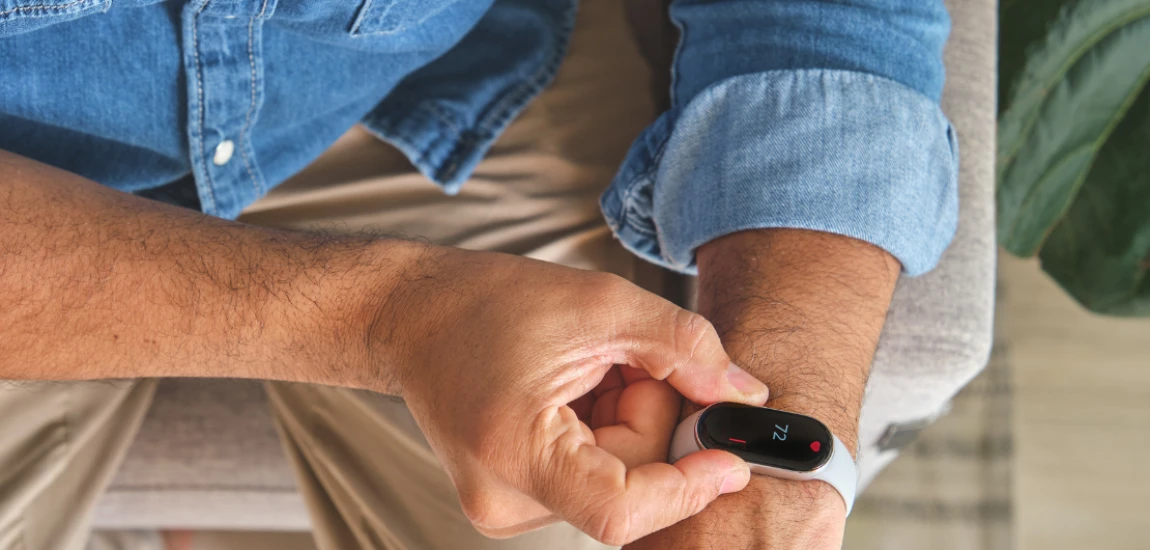
Wearable technology began as a convenience—simple devices counting steps or tracking calories. Today, it represents a fundamental shift in how humans interact with technology. Wearables no longer just sit on the wrist; they increasingly function as digital bodies, continuously collecting biometric data, interpreting behavior, and influencing decisions in real time.
This evolution reflects broader changes in technology, health awareness, and data-driven lifestyles. As sensors became smaller, AI became smarter, and connectivity became seamless, wearables transitioned from accessories into intimate companions. They now monitor heart rhythms, sleep cycles, stress levels, posture, and even emotional states.
Understanding the evolution of wearable technology reveals how close we are to a future where our physical and digital selves operate as one integrated system.
The Early Era of Wearable Tech and Fitness Tracking

The birth of consumer wearables
Early wearable technology focused on fitness and movement. Devices like pedometers and early fitness bands offered basic metrics such as steps taken, distance walked, and calories burned. These tools appealed to health-conscious consumers looking for motivation rather than medical insight.
The simplicity was their strength. Users gained visibility into habits previously invisible, sparking behavioral change through awareness.
Quantified self movement
Wearables aligned with the “quantified self” movement, which encouraged individuals to measure daily activities to improve performance and wellness. Data ownership felt empowering, even if the insights were limited.
Tracking became routine rather than intentional.
Limitations of first-generation devices
Despite popularity, early wearables lacked accuracy, personalization, and long-term engagement. Without context or intelligent analysis, raw data often failed to drive sustained behavior change.
This limitation paved the way for smarter wearables.
Smart Sensors and the Rise of Health Monitoring

Expansion beyond fitness
As sensor technology improved, wearables expanded into health monitoring. Heart rate sensors, sleep tracking, blood oxygen monitoring, and stress indicators transformed devices into wellness tools rather than fitness gadgets.
Health became continuous, not episodic.
Medical-grade insights
Some wearables began approaching clinical relevance, detecting irregular heart rhythms or sleep disorders. This blurred the line between consumer electronics and medical devices.
Wearables started participating in healthcare ecosystems.
Data-driven preventive care
Continuous monitoring allowed early detection of health anomalies, shifting healthcare toward prevention rather than treatment. Users gained insights previously available only through medical testing.
The body became a live data stream.
Wearables as Behavioral and Emotional Interfaces

Tracking beyond biology
Modern wearables measure more than physical signals. They infer stress, focus, fatigue, and emotional states by combining biometric data with behavioral patterns.
Emotion becomes quantifiable.
Feedback loops and nudging
Wearables don’t just observe—they influence behavior. Notifications encourage movement, breathing exercises, posture correction, or rest, creating feedback loops between data and action.
Technology gently shapes daily decisions.
Psychological implications
While helpful, constant monitoring can create anxiety or over-optimization. Users may begin defining well-being by metrics rather than feelings.
Digital bodies require emotional literacy.
The Emergence of Digital Bodies and Human Augmentation

From devices to extensions
As wearables integrate deeper into daily life, they act less like tools and more like extensions of the body. Smartwatches, rings, glasses, and even implantables form an interconnected digital layer.
The body gains a digital twin.
AI-powered interpretation
Artificial intelligence transforms raw data into predictive insights—anticipating illness, optimizing performance, and adapting recommendations over time.
Wearables learn their users.
Augmenting human capability
In professional sports, healthcare, and workplace productivity, wearables enhance performance and safety. They assist humans rather than replace them.
Technology amplifies biology.


Known as "Nomadic Matt," Matthew Kepnes offers practical travel advice with a focus on budget backpacking. His blog aims to help people travel cheaper and longer.
Matthew Kepnes

Prev Post

Next Post