
Neural Data Interfaces and Brain–Cloud Communication Systems: Bridging Human Thought and the Digital World
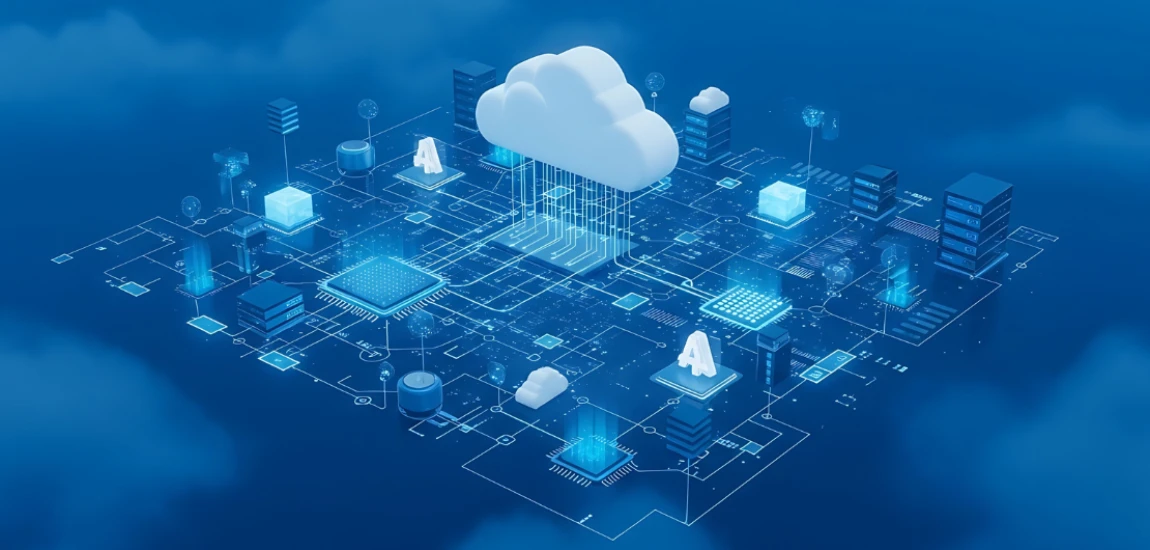
Neural data interfaces (NDIs) and brain–cloud communication systems represent the cutting edge of human-computer interaction, enabling direct communication between the brain and digital platforms. Unlike traditional input devices such as keyboards or touchscreens, NDIs interpret neural activity to control devices, transmit information, and even interface with cloud-based systems in real time. Brain–cloud communication systems extend this concept further by linking cognitive processes to massive computing networks, allowing for instant data processing, storage, and retrieval. These systems harness advanced neuroimaging techniques, signal processing algorithms, and AI-driven neural decoding to translate complex patterns of brain activity into actionable digital commands. The potential applications are vast, ranging from medical rehabilitation and assistive technologies to cognitive augmentation and immersive virtual experiences. By creating a seamless bridge between human thought and the digital world, neural data interfaces are redefining the boundaries of communication, intelligence, and human potential.
Core Technologies Behind Neural Interfaces

The development of effective neural data interfaces relies on the integration of multiple cutting-edge technologies that enable accurate brain signal acquisition and interpretation.
Brain-Computer Interfaces (BCIs)
BCIs form the backbone of NDIs by translating neural signals into commands that digital devices can understand. These systems use sensors to capture electrical activity from the brain, which is then processed using machine learning algorithms to detect patterns corresponding to specific intentions.
Signal Acquisition and Processing
Accurate signal acquisition is essential for reliable brain–cloud communication. Techniques such as electroencephalography (EEG), magnetoencephalography (MEG), and invasive neural implants provide high-resolution data that can be filtered and decoded to extract meaningful information.
Artificial Intelligence and Neural Decoding
AI and deep learning models play a critical role in interpreting complex neural data. Neural decoding algorithms can identify patterns associated with specific thoughts, movements, or cognitive states, enabling real-time translation of brain activity into actionable outputs.
Architecture of Brain–Cloud Communication Systems

Brain–cloud communication systems integrate neural data interfaces with distributed cloud networks to enable rapid data exchange and advanced computational capabilities.
Neural Data Capture Layer
The capture layer consists of sensors and electrodes that collect neural signals from the brain. Depending on the application, these may be non-invasive (EEG caps) or invasive (microelectrode arrays) for higher fidelity.
Data Transmission and Cloud Integration
Once captured, neural data is transmitted to cloud servers for processing. Cloud integration allows for large-scale data analysis, storage, and real-time collaboration between AI systems and human cognition.
Feedback and Adaptive Learning
Brain–cloud systems incorporate feedback loops that allow the AI to adapt to the user’s neural patterns. This adaptive learning improves accuracy, reduces errors, and enhances user experience over time.
Applications Across Industries

Neural data interfaces and brain–cloud communication systems are transforming multiple sectors by enabling direct thought-driven interaction and enhanced cognitive capabilities.
Healthcare and Neurorehabilitation
NDIs are being used to restore mobility for patients with paralysis, control prosthetic limbs, and aid stroke recovery. Brain–cloud systems provide real-time monitoring and adaptive therapy, improving rehabilitation outcomes.
Education and Cognitive Enhancement
In educational settings, brain–cloud interfaces can personalize learning by monitoring attention, engagement, and cognitive load. Cognitive enhancement applications may include memory augmentation, accelerated learning, and brain-based skill training.
Entertainment and Immersive Experiences
Gaming and virtual reality platforms leverage neural interfaces for thought-driven control, creating fully immersive experiences. Brain–cloud integration enables real-time adaptation of virtual environments based on the user’s cognitive and emotional states.
Benefits and Challenges

While neural data interfaces offer unprecedented opportunities, they also present technical, ethical, and social challenges.
Advantages of Neural Connectivity
NDIs enable faster and more intuitive interaction with digital systems, enhance cognitive capabilities, and provide accessibility solutions for individuals with disabilities. Brain–cloud integration offers limitless computational power and collaborative potential.
Technical Limitations
Challenges include noise in neural signal acquisition, latency in data transmission, and the complexity of decoding neural patterns accurately. Advanced sensors, AI algorithms, and high-bandwidth networks are needed to overcome these limitations.
Ethical and Privacy Considerations
Direct brain-to-cloud connectivity raises concerns about data privacy, cognitive manipulation, and consent. Safeguards and ethical frameworks are critical to protect users’ neural data and autonomy.


Kate McCulley, the voice behind "Adventurous Kate," provides travel advice tailored for women. Her blog encourages safe and adventurous travel for female readers.
Kate McCulley

Prev Post
Next Post