
Swarm-Based Autonomous Logistics and Self-Optimizing Supply Networks
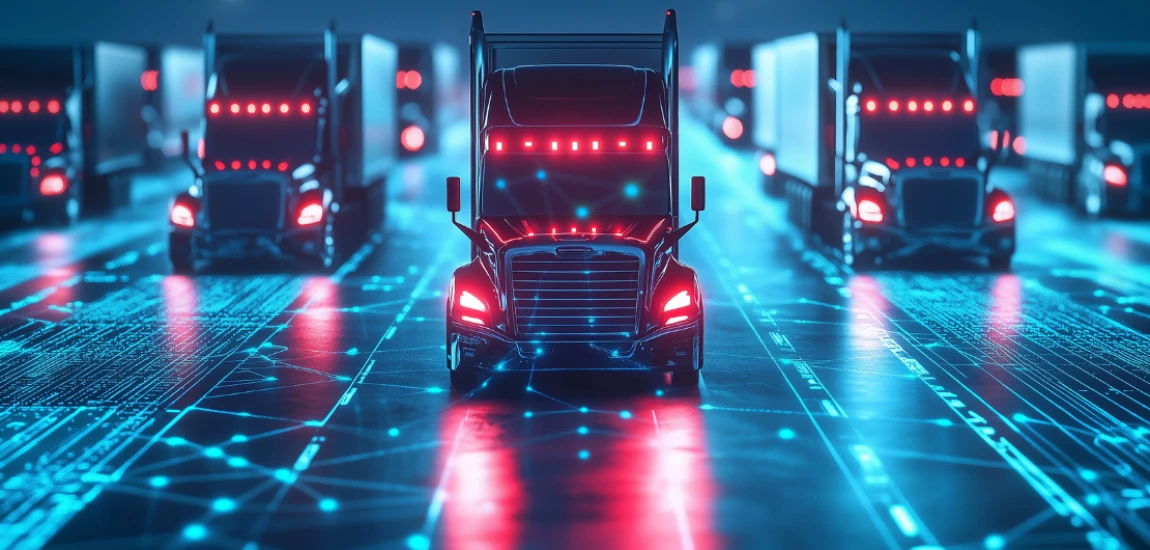
Global supply chains are becoming increasingly complex, requiring faster, smarter, and more adaptive systems to meet growing demands. Traditional logistics models often struggle with inefficiencies, delays, and lack of real-time responsiveness. This has led to the emergence of swarm-based autonomous logistics, a revolutionary approach inspired by nature.
Swarm intelligence, observed in systems like ant colonies and bee swarms, enables decentralized decision-making where multiple agents work collaboratively to achieve a common goal. When applied to logistics, this concept allows fleets of autonomous vehicles, drones, and robots to coordinate dynamically, optimizing routes, reducing costs, and improving delivery times.
At the core of this transformation are self-optimizing supply networks, which leverage artificial intelligence, real-time data, and automation to continuously improve performance. These systems adapt to changing conditions, predict disruptions, and optimize operations without human intervention.
As industries move toward digital transformation, swarm-based logistics is becoming a key driver of efficiency and innovation. In this blog, we will explore its foundations, technologies, applications, benefits, challenges, and future opportunities in depth.
Understanding Swarm-Based Autonomous Logistics

What is Swarm-Based Autonomous Logistics
Swarm-based autonomous logistics refers to the use of multiple autonomous agents—such as drones, robots, and vehicles—that collaborate using decentralized intelligence to perform logistics tasks. Unlike centralized systems, where decisions are controlled by a single entity, swarm systems operate through local interactions and shared data.
Each agent in the swarm makes decisions based on its environment and communication with other agents. This enables the system to adapt quickly to changes, such as traffic conditions or demand fluctuations.
The result is a highly flexible and resilient logistics network capable of optimizing operations in real time.
Principles of Swarm Intelligence
Swarm intelligence is based on simple rules followed by individual agents, leading to complex and efficient collective behavior. Key principles include decentralization, self-organization, and adaptability.
Agents communicate with each other to share information and coordinate actions. This collective intelligence allows the system to solve complex problems efficiently.
These principles make swarm-based logistics highly scalable and robust.
Evolution of Autonomous Logistics Systems
Autonomous logistics systems have evolved from basic automation to advanced AI-driven networks. Early systems relied on fixed routes and centralized control.
Today, swarm-based systems use real-time data and machine learning to optimize operations dynamically. This evolution has significantly improved efficiency and reliability.
Core Technologies Behind Self-Optimizing Supply Networks

Artificial Intelligence and Machine Learning
AI and machine learning are the backbone of swarm-based logistics. These technologies enable agents to learn from data, predict outcomes, and make informed decisions.
Machine learning models analyze patterns in logistics data, such as demand trends and traffic conditions, to optimize operations.
IoT and Real-Time Data Integration
The Internet of Things (IoT) plays a critical role in connecting devices and enabling real-time data exchange. Sensors collect data on location, temperature, and performance.
This data is used to monitor and optimize supply chain operations continuously.
Robotics and Autonomous Vehicles
Robotics and autonomous vehicles are essential components of swarm-based logistics. These systems perform tasks such as transportation, sorting, and delivery.
Advanced navigation and control systems enable them to operate efficiently in dynamic environments.
Applications of Swarm-Based Logistics

Warehouse Automation
Swarm-based systems are widely used in warehouses for tasks such as picking, sorting, and inventory management. Robots work collaboratively to optimize workflows.
This improves efficiency and reduces operational costs.
Last-Mile Delivery
Autonomous drones and delivery robots are transforming last-mile logistics. These systems can navigate complex urban environments and deliver goods quickly.
Swarm coordination ensures efficient route planning and resource allocation.
Supply Chain Optimization
Swarm-based logistics enables end-to-end optimization of supply chains. Systems can predict demand, manage inventory, and optimize transportation.
This leads to improved performance and reduced costs.
Benefits of Self-Optimizing Supply Networks

Increased Efficiency and Speed
Swarm-based systems optimize routes and workflows in real time, reducing delays and improving delivery times.
Scalability and Flexibility
These systems can easily scale by adding more agents. They adapt to changing conditions without requiring significant reconfiguration.
Cost Reduction
Automation and optimization reduce operational costs, making supply chains more efficient.


Anil Polat, behind the blog "FoxNomad," combines technology and travel. A computer security engineer by profession, he focuses on the tech aspects of travel.
Anil Polat

Prev Post

Next Post