
Swarm Robotics Networks and Collective Autonomous Machine Coordination Frameworks
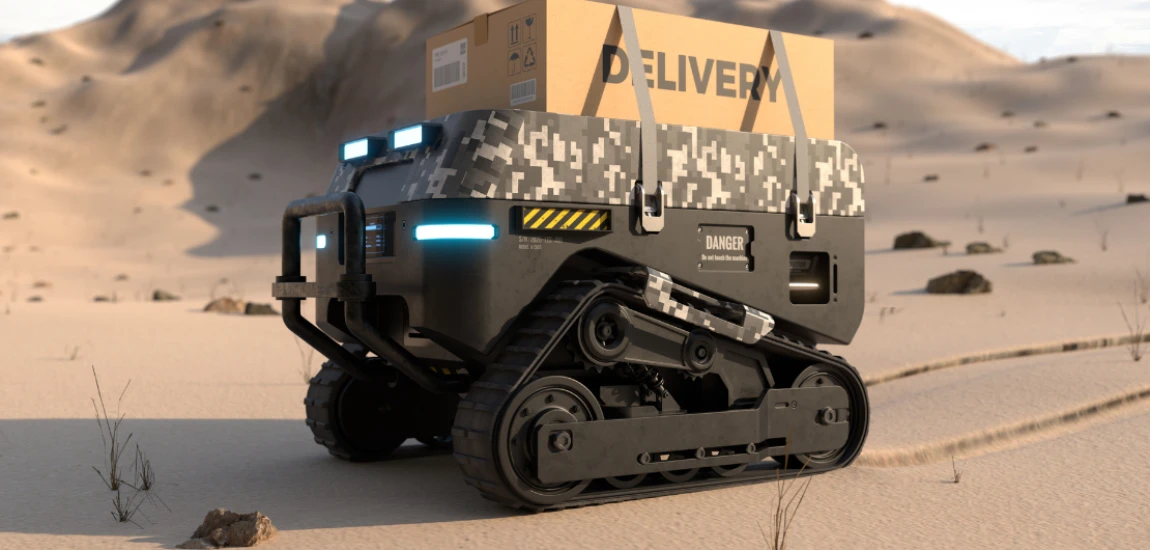
The future of robotics is moving beyond individual intelligent machines toward highly coordinated networks of autonomous systems capable of working together as unified collectives. Inspired by natural swarms such as ant colonies, bee hives, bird flocks, and fish schools, swarm robotics networks are emerging as one of the most promising innovations in artificial intelligence, automation, and distributed computing.
Traditional robotic systems often rely on centralized control structures where a single controller directs multiple machines. While effective in some environments, centralized systems can become vulnerable to failures, communication bottlenecks, and scalability limitations. Swarm robotics offers an alternative approach by enabling large groups of autonomous robots to coordinate their actions through decentralized communication and collective decision-making.
Collective autonomous machine coordination frameworks provide the intelligence behind these systems. Using advanced algorithms, artificial intelligence, machine learning, sensor networks, and real-time communication technologies, robotic swarms can adapt dynamically to changing environments while maintaining efficient collaboration.
From warehouse automation and disaster response to agriculture, healthcare, military logistics, environmental monitoring, and space exploration, swarm robotics is creating new possibilities for solving complex challenges. As computing power, connectivity, and AI capabilities continue advancing, swarm robotics networks are expected to become a cornerstone of future intelligent automation ecosystems.
Understanding Swarm Robotics Networks

The Foundations of Swarm Intelligence
Swarm robotics is based on principles observed in nature. Social insects such as ants and bees demonstrate remarkable collective intelligence despite the simplicity of individual members. Through local interactions and decentralized communication, these organisms accomplish tasks that would be impossible for a single individual.
Engineers and computer scientists have adapted these concepts to robotic systems. Rather than relying on a central command structure, swarm robots interact with one another and their environment to make collective decisions.
Each robot follows relatively simple behavioral rules. However, when hundreds or thousands of robots operate together, complex and intelligent group behaviors emerge naturally.
This distributed intelligence enables swarms to adapt to environmental changes, recover from failures, and perform tasks with exceptional efficiency.
Characteristics of Swarm Robotics Systems
Swarm robotics networks possess several defining characteristics. Scalability allows systems to expand easily by adding more robots without requiring major architectural changes.
Robustness ensures that the failure of individual units does not significantly impact overall system performance. Flexibility enables swarms to adapt quickly to new tasks and changing conditions.
Self-organization allows robots to coordinate activities independently without centralized supervision.
These characteristics make swarm robotics particularly valuable for dynamic and unpredictable environments where traditional automation approaches may struggle.
Evolution of Collective Robotic Systems
Early robotic systems focused primarily on individual machine capabilities. Modern developments increasingly emphasize collaboration and distributed intelligence.
Advances in wireless communication, artificial intelligence, edge computing, and sensor technologies have accelerated the evolution of collective robotic systems.
Today, researchers are developing increasingly sophisticated swarm architectures capable of handling complex industrial, scientific, and societal challenges.
The Technology Behind Collective Autonomous Machine Coordination

Artificial Intelligence and Decision-Making
Artificial intelligence serves as the cognitive foundation of swarm robotics networks. Machine learning algorithms enable robots to interpret sensor data, recognize patterns, and make autonomous decisions.
Rather than depending solely on predefined instructions, AI-powered robots can adapt their behavior based on environmental conditions and operational objectives.
Collective decision-making algorithms allow groups of robots to coordinate actions efficiently while minimizing communication overhead.
As AI technologies continue advancing, swarm systems will become increasingly autonomous and intelligent.
Communication and Information Sharing
Effective communication is essential for successful swarm coordination. Robots exchange information regarding location, environmental conditions, task status, and operational priorities.
Modern swarm systems utilize wireless communication protocols, mesh networking technologies, and distributed computing architectures to facilitate information sharing.
Communication frameworks are designed to remain efficient even when operating at large scales involving hundreds or thousands of machines.
Reliable information exchange enables coordinated action while supporting resilience and adaptability.
Sensor Networks and Environmental Awareness
Swarm robots rely heavily on sensor technologies to understand their surroundings. Cameras, lidar systems, proximity sensors, environmental monitors, and navigation tools provide continuous streams of information.
By combining sensor data from multiple robots, swarms create comprehensive situational awareness that exceeds the capabilities of individual machines.
This collective perception enables more accurate decision-making and improved operational effectiveness.
Advanced sensing technologies continue expanding the capabilities of swarm robotics applications.
Industrial Applications Driving Swarm Robotics Adoption

Smart Manufacturing and Production
Manufacturing is one of the leading sectors adopting swarm robotics technologies. Autonomous robotic teams can collaborate on assembly tasks, material handling, quality inspections, and inventory management.
Unlike fixed automation systems, robotic swarms can adapt to changing production requirements without extensive reconfiguration.
This flexibility improves operational efficiency while reducing downtime and costs.
As Industry 4.0 initiatives expand, swarm robotics will play an increasingly important role in intelligent manufacturing ecosystems.
Logistics and Warehouse Automation
Modern logistics operations require rapid and efficient movement of goods across complex supply chains. Swarm robotics networks provide scalable solutions for warehouse automation and fulfillment operations.
Groups of autonomous robots can coordinate inventory retrieval, package sorting, transportation, and order processing activities.
Their ability to adapt dynamically to workload fluctuations enhances operational performance and customer service.
The continued growth of e-commerce is driving increased demand for swarm-based logistics solutions.
Agriculture and Precision Farming
Agricultural operations are becoming increasingly automated through the use of robotic swarms. Autonomous machines can perform planting, irrigation, fertilization, pest control, and harvesting activities collaboratively.
Distributed robotic systems enable more precise resource management and improved crop monitoring.
Farmers benefit from increased productivity, reduced labor requirements, and enhanced sustainability.
Swarm robotics is helping transform agriculture into a highly data-driven and efficient industry.
Emerging Applications Beyond Traditional Industries

Disaster Response and Emergency Management
Swarm robotics offers significant advantages in disaster response scenarios. Large groups of autonomous robots can rapidly assess affected areas, locate survivors, and support rescue operations.
Their distributed nature enables coverage of extensive regions while maintaining operational resilience.
Robotic swarms can access hazardous environments that may be unsafe for human responders.
These capabilities improve emergency response effectiveness and potentially save lives.
Environmental Monitoring and Conservation
Monitoring ecosystems and environmental conditions often requires extensive data collection across large geographic areas.
Swarm robotics networks can deploy numerous autonomous sensors and mobile platforms to gather information efficiently.
Applications include wildlife tracking, pollution monitoring, forest management, and climate research.
The ability to collect real-time environmental data supports more informed conservation and sustainability initiatives.
Space Exploration and Planetary Missions
Space agencies are exploring swarm robotics for planetary exploration and extraterrestrial infrastructure development.
Groups of autonomous robots can collaborate to map terrain, collect scientific samples, construct habitats, and perform maintenance tasks.
Swarm-based exploration strategies offer greater redundancy and flexibility than single-vehicle missions.
Future lunar and Martian missions may rely heavily on robotic swarms to support human exploration efforts.


Anil Polat, behind the blog "FoxNomad," combines technology and travel. A computer security engineer by profession, he focuses on the tech aspects of travel.
Anil Polat

Prev Post

Next Post