
Swarm Robotics Intelligence Systems and Collective Machine Coordination Networks
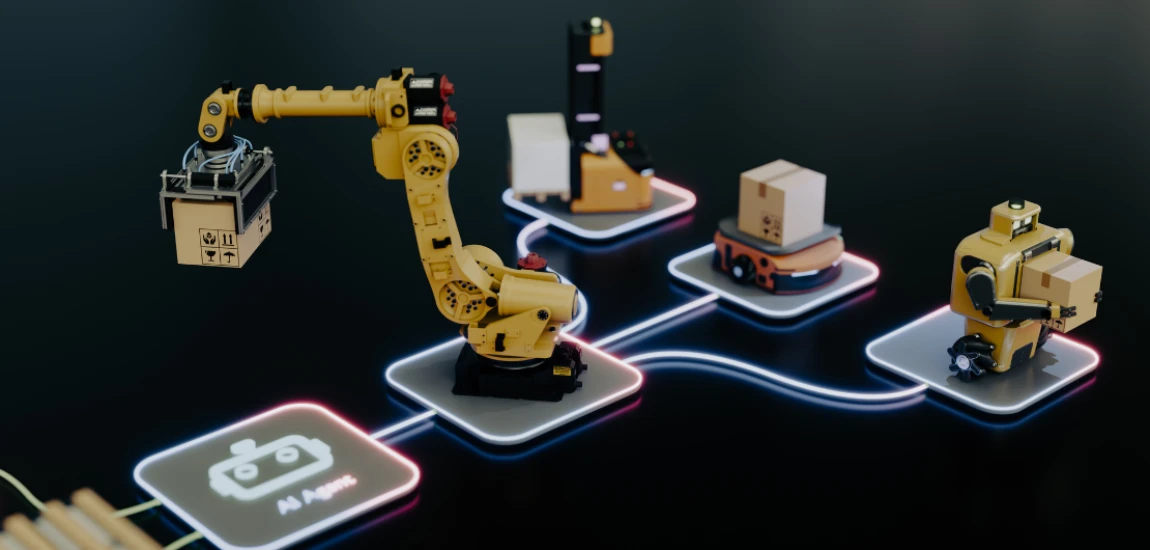
Swarm robotics intelligence systems are redefining the way machines collaborate and operate in complex environments. Inspired by the collective behavior of social insects like ants, bees, and birds, these systems rely on decentralized coordination among multiple robots to achieve shared goals. Unlike traditional robotic systems that depend on centralized control, swarm robotics emphasizes distributed intelligence, where each unit operates autonomously while contributing to the overall system objective.
The concept of collective machine coordination networks plays a crucial role in enabling this collaboration. These networks allow robots to communicate, share information, and adapt to changing conditions in real time. As a result, swarm systems are highly scalable, flexible, and resilient, making them ideal for applications ranging from disaster response to industrial automation.
With advancements in artificial intelligence, machine learning, and communication technologies, swarm robotics is rapidly gaining traction across industries. Organizations are increasingly adopting these systems to improve efficiency, reduce costs, and enhance operational capabilities. This blog delves into the architecture, technologies, applications, benefits, challenges, and future trends of swarm robotics intelligence systems.
Understanding Swarm Robotics Intelligence Systems

What Is Swarm Robotics
Swarm robotics refers to the coordination of multiple robots that work together as a unified system. Each robot in the swarm operates independently, yet collectively they achieve complex tasks through simple interactions. This approach mimics natural systems, where individual agents follow basic rules that lead to sophisticated group behavior.
The key advantage of swarm robotics lies in its decentralized nature. There is no single point of control, which makes the system more robust and less vulnerable to failures. Even if some robots malfunction, the rest of the swarm can continue functioning effectively.
Evolution of Swarm Intelligence
The concept of swarm intelligence originated from the study of natural systems such as ant colonies and bird flocks. Researchers observed how these systems achieve complex coordination without centralized control. Over time, these principles were applied to robotics, leading to the development of swarm robotics systems.
Advancements in computing power, sensors, and communication technologies have significantly accelerated the evolution of swarm robotics. Modern systems are capable of real-time decision-making and adaptive behavior, making them suitable for dynamic environments.
Key Characteristics of Swarm Systems
Swarm robotics systems are characterized by scalability, flexibility, and robustness. They can easily adapt to changes in the environment and scale up or down based on the number of robots involved. This makes them highly versatile for various applications.
Another important characteristic is self-organization. Robots in a swarm can organize themselves without external guidance, enabling efficient task allocation and coordination. This ability enhances the overall performance and efficiency of the system.
Collective Machine Coordination Networks Explained

Distributed Communication Models
Collective machine coordination networks rely on distributed communication models that allow robots to share information with each other. These models enable real-time data exchange, ensuring that all robots in the swarm are aware of their environment and the actions of other units.
Communication can be direct, where robots interact with nearby units, or indirect, where information is shared through the environment. Both approaches contribute to effective coordination and decision-making.
Decentralized Decision-Making
In swarm robotics, decision-making is decentralized, meaning each robot makes decisions based on local information. This approach reduces the need for centralized control and enhances system resilience.
Decentralized decision-making allows the swarm to respond quickly to changes in the environment. It also enables parallel processing, where multiple robots perform tasks simultaneously, improving efficiency.
Coordination Algorithms and Protocols
Coordination in swarm systems is achieved through specialized algorithms and protocols. These algorithms define how robots interact, share information, and make decisions. Common approaches include behavior-based models, optimization algorithms, and reinforcement learning techniques.
These protocols ensure that the swarm operates cohesively, even in complex and unpredictable environments. They also enable dynamic task allocation, where robots can switch roles based on the needs of the system.
Technologies Powering Swarm Robotics Systems

Artificial Intelligence and Machine Learning
Artificial intelligence plays a crucial role in enabling swarm robotics systems. Machine learning algorithms allow robots to learn from their environment and improve their performance over time. This enables adaptive behavior and enhances decision-making capabilities.
AI also facilitates pattern recognition and predictive analysis, helping robots anticipate changes and respond proactively. This is particularly important in dynamic environments where conditions can change rapidly.
Sensor Networks and IoT Integration
Sensors are essential for enabling robots to perceive their environment. Modern swarm systems use advanced sensor technologies to collect data on factors such as location, temperature, and obstacles. This data is used to inform decision-making and coordination.
Integration with the Internet of Things (IoT) further enhances the capabilities of swarm systems. IoT devices provide additional data sources and enable seamless communication between robots and external systems.
Wireless Communication and Edge Computing
Wireless communication technologies enable real-time data exchange between robots in a swarm. This ensures that all units are synchronized and can coordinate effectively.
Edge computing allows data processing to occur closer to the source, reducing latency and improving response times. This is critical for applications that require immediate action, such as search and rescue operations.
Applications of Swarm Robotics Intelligence Systems

Disaster Response and Search Operations
Swarm robotics systems are highly effective in disaster response scenarios. Multiple robots can work together to search for survivors, map affected areas, and deliver supplies. Their ability to operate in hazardous environments makes them invaluable for emergency management.
These systems can quickly adapt to changing conditions, ensuring efficient and effective response efforts. Their decentralized nature also reduces the risk of system failure.
Industrial Automation and Logistics
In industrial settings, swarm robotics is used to optimize processes such as manufacturing, warehousing, and logistics. Robots can collaborate to transport goods, assemble products, and manage inventory.
This improves efficiency and reduces operational costs, making it an attractive solution for businesses looking to enhance productivity.
Agriculture and Environmental Monitoring
Swarm robotics is also being used in agriculture and environmental monitoring. Robots can work together to monitor crops, detect pests, and optimize irrigation. This helps farmers improve yields and reduce resource consumption.
In environmental applications, swarm systems can monitor ecosystems, track wildlife, and collect data on climate conditions. This supports sustainable practices and conservation efforts.
Benefits and Challenges of Swarm Systems

Advantages of Swarm Robotics
Swarm robotics offers several advantages, including scalability, flexibility, and robustness. These systems can easily adapt to changes and continue functioning even if some units fail. This makes them highly reliable and efficient.
Another advantage is cost-effectiveness. Using multiple simple robots can be more economical than relying on a single complex system. This approach also allows for incremental upgrades and expansion.
Technical and Operational Challenges
Despite their benefits, swarm robotics systems face several challenges. Designing effective coordination algorithms and ensuring reliable communication can be complex. Additionally, managing large numbers of robots requires advanced infrastructure and expertise.
Environmental factors such as interference and obstacles can also impact system performance. Addressing these challenges is essential for the successful deployment of swarm systems.
Ethical and Security Concerns
The use of swarm robotics raises ethical and security concerns. Issues such as data privacy, system misuse, and potential job displacement must be addressed. Ensuring secure communication and preventing unauthorized access are critical for maintaining system integrity.
Developing ethical guidelines and regulatory frameworks is essential for responsible adoption of swarm robotics technologies.


Kate McCulley, the voice behind "Adventurous Kate," provides travel advice tailored for women. Her blog encourages safe and adventurous travel for female readers.
Kate McCulley

Prev Post

Next Post