
Robotic Process Automation Systems and Intelligent Workflow Integration Architectures

In the modern digital enterprise landscape, speed, accuracy, and scalability define competitive advantage. Businesses are now operating in environments where manual workflows can no longer keep up with the increasing volume, complexity, and speed of operations. This is where Robotic Process Automation Systems (RPA) combined with Intelligent Workflow Integration Architectures are becoming essential.
RPA introduces software robots that mimic human actions across digital systems, performing repetitive tasks such as data entry, invoice processing, report generation, and system updates. However, when RPA is integrated with intelligent workflow architectures, it evolves into a fully orchestrated automation ecosystem capable of managing end-to-end business processes.
These systems are not just about automation—they are about intelligent coordination between applications, data pipelines, and decision-making systems. By integrating artificial intelligence, APIs, cloud computing, and process orchestration engines, organizations can achieve a level of operational efficiency that was previously impossible.
This blog explores in detail how these systems work, their architecture, applications across industries, challenges, and future innovations shaping the next generation of enterprise automation.
Understanding Robotic Process Automation Systems

Defining RPA in Modern Enterprises
Robotic Process Automation Systems are software-based automation technologies designed to execute structured, rule-based tasks without human intervention. These digital robots interact with applications in the same way a human user would—clicking buttons, entering data, extracting information, and moving between systems.
What makes RPA powerful in modern enterprises is its ability to integrate with existing systems without requiring deep backend changes. Unlike traditional software development, RPA operates at the user interface level, making it faster to deploy and easier to scale. Organizations use RPA to eliminate repetitive manual workloads, reduce operational errors, and improve processing speed across departments.
Core Functional Capabilities of RPA Systems
The capabilities of RPA systems extend far beyond simple task automation. Modern RPA platforms include features such as intelligent data extraction, rule-based decision-making, exception handling, and real-time monitoring dashboards.
These systems can handle structured data efficiently, but with AI integration, they can also process semi-structured and unstructured data such as emails, PDFs, and scanned documents. Additionally, RPA bots can operate 24/7 without fatigue, ensuring continuous workflow execution.
Another key capability is scalability. Organizations can deploy hundreds or thousands of bots to handle high-volume workloads, especially in industries like banking, insurance, and logistics where data processing demands are extremely high.
How RPA Transforms Business Operations
RPA fundamentally transforms business operations by shifting human effort from repetitive tasks to strategic decision-making. Instead of employees spending hours on manual data entry or reconciliation tasks, RPA handles these processes instantly and accurately.
This transformation leads to improved productivity, reduced operational costs, and better compliance. Businesses also gain improved data accuracy since bots eliminate human errors caused by fatigue or inconsistency. Over time, RPA creates a more streamlined and agile operational environment that supports digital transformation goals.
Architecture of Intelligent Workflow Integration Systems

Enterprise Workflow Integration Framework Design
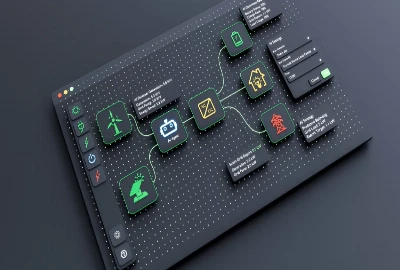
Intelligent workflow integration architectures are designed to connect multiple systems, applications, and data sources into a unified automation ecosystem. These architectures ensure that RPA bots do not operate in isolation but as part of a larger, coordinated workflow system.
At the core, these architectures consist of layered components such as data ingestion layers, workflow engines, business logic processors, and execution modules. Each layer plays a critical role in ensuring seamless communication and execution across enterprise systems.
This structured approach allows organizations to build scalable automation systems that can evolve with changing business needs.
Workflow Orchestration and Process Coordination
Workflow orchestration is the backbone of intelligent automation systems. It ensures that tasks are executed in the correct order, dependencies are managed properly, and exceptions are handled efficiently.
Orchestration engines coordinate between multiple bots and applications, ensuring that complex processes such as order-to-cash cycles or employee onboarding are fully automated from start to finish. This reduces fragmentation in business processes and improves operational transparency.
In addition, orchestration systems provide real-time monitoring, enabling businesses to track workflow performance and identify bottlenecks instantly.
System Integration and API-Driven Connectivity
Modern workflow architectures rely heavily on APIs (Application Programming Interfaces) to connect different systems. APIs allow RPA bots and workflow engines to communicate with enterprise applications such as ERP, CRM, HR systems, and cloud platforms.
This API-driven connectivity ensures smooth data flow across systems, eliminating silos and improving consistency. It also enables hybrid automation models where RPA, AI services, and legacy systems work together seamlessly.
Key Technologies Powering RPA Systems

Artificial Intelligence and Cognitive Automation
Artificial intelligence significantly enhances RPA capabilities by enabling cognitive automation. This allows bots to make intelligent decisions, interpret unstructured data, and learn from past interactions.
Machine learning models help RPA systems identify patterns in data, predict outcomes, and improve process efficiency over time. This combination of RPA and AI is often referred to as Intelligent Automation.
Natural Language Processing and Document Intelligence
Natural Language Processing (NLP) enables RPA systems to understand and process human language. This is particularly useful in handling emails, chat queries, and documents.
Document intelligence technologies allow bots to extract structured data from invoices, contracts, and forms, even when formats vary. This significantly reduces manual effort in back-office operations.
Cloud Infrastructure and Scalable Automation Platforms
Cloud computing provides the foundation for scalable RPA deployment. Cloud-based RPA platforms allow organizations to deploy bots globally, manage workloads dynamically, and reduce infrastructure costs.
This scalability is essential for enterprises that deal with fluctuating workloads and seasonal demand spikes.
Applications Across Industries

Finance and Banking Automation
In the financial sector, RPA systems automate tasks such as transaction processing, fraud detection, compliance reporting, and account reconciliation. These systems improve accuracy and reduce processing time significantly.
They also ensure regulatory compliance by maintaining audit trails and standardized workflows.
Healthcare Process Automation
Healthcare organizations use RPA to automate patient scheduling, billing, insurance claims processing, and medical record management. This reduces administrative burden and allows healthcare professionals to focus on patient care.
Automation also improves data accuracy, which is critical in medical environments.
Supply Chain and Logistics Optimization
RPA systems streamline supply chain operations by automating order processing, inventory tracking, shipment updates, and supplier communication.
This improves visibility across the supply chain and enhances operational efficiency.


Anil Polat, behind the blog "FoxNomad," combines technology and travel. A computer security engineer by profession, he focuses on the tech aspects of travel.
Anil Polat
Prev Post

Next Post