
Swarm Robotics Ecosystems and Large-Scale Autonomous Collective Machine Coordination Systems
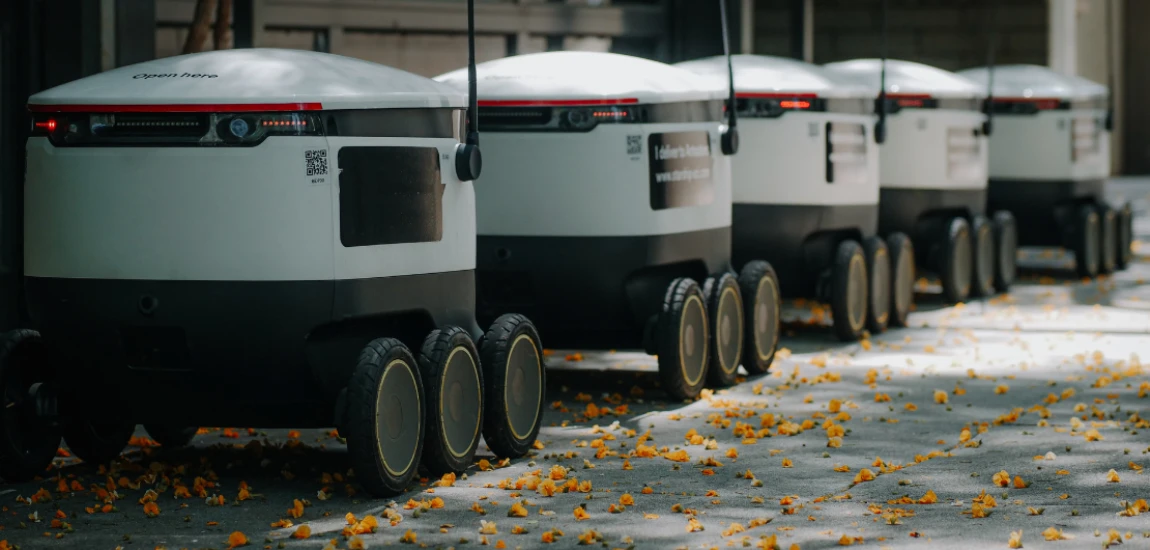
Swarm robotics is rapidly emerging as one of the most transformative technologies in modern automation. Inspired by the collective behavior of ants, bees, birds, fish, and other naturally organized systems, swarm robotics enables large groups of autonomous machines to work together without relying on centralized control. Instead of a single robot performing complex tasks independently, multiple intelligent robots cooperate, communicate, and adapt to changing environments in real time. This decentralized approach improves flexibility, fault tolerance, scalability, and operational efficiency while reducing dependence on human intervention.
The concept of Swarm Robotics Ecosystems extends beyond individual robots by integrating artificial intelligence, edge computing, wireless communication, cloud connectivity, and autonomous decision-making into a coordinated digital infrastructure. These intelligent ecosystems allow hundreds or even thousands of robots to share information, divide workloads, avoid collisions, and dynamically respond to environmental changes. As industries continue to embrace automation, swarm robotics is becoming an essential technology for manufacturing, logistics, agriculture, disaster response, healthcare, environmental monitoring, and smart city development.
Large-scale autonomous collective machine coordination systems are expected to reshape the future of robotics by enabling machines to solve increasingly complex problems through collaboration rather than individual capability. This article explores the technologies behind swarm robotics ecosystems, their industrial applications, key advantages, current challenges, and future innovations that will redefine intelligent automation.
Understanding Swarm Robotics Ecosystems

The Concept Behind Collective Robotic Intelligence
Swarm robotics ecosystems are built on the principle that many simple autonomous robots working together can accomplish tasks more efficiently than a single highly complex machine. This concept is inspired by biological systems, where insects and animals achieve remarkable coordination without centralized leadership. Each robot follows a set of simple behavioral rules while continuously communicating with neighboring robots, allowing complex collective behavior to emerge naturally.
Unlike conventional robotic systems that rely on centralized controllers, swarm robotics distributes intelligence across every machine within the network. Each robot independently senses its surroundings, analyzes local information, and makes decisions that contribute to the overall mission. If one or several robots fail, the remaining robots automatically reorganize and continue working without disrupting the entire operation. This decentralized architecture makes swarm robotics highly resilient, scalable, and adaptable to unpredictable environments.
The integration of artificial intelligence further strengthens swarm behavior by enabling robots to learn from experience, optimize coordination strategies, and improve decision-making over time. As machine learning algorithms process increasing amounts of operational data, swarm ecosystems become more intelligent and efficient with each completed task.
Core Components of Swarm Robotics Systems
Modern swarm robotics ecosystems combine several advanced technologies that work together seamlessly. Autonomous navigation systems allow robots to move independently using cameras, LiDAR sensors, GPS, inertial measurement units, and computer vision. Wireless communication technologies enable continuous information sharing between robots, ensuring coordinated movement and efficient task allocation.
Artificial intelligence serves as the decision-making engine behind swarm coordination. Machine learning models analyze environmental conditions, optimize robot behavior, and improve mission performance without requiring constant human supervision. Edge computing reduces communication delays by allowing robots to process information locally while cloud computing supports large-scale coordination and long-term data analysis.
Together, these technologies create intelligent robotic ecosystems capable of adapting to changing environments while maintaining high operational efficiency.
Why Swarm Robotics Matters
Traditional robotic systems often become expensive and vulnerable when assigned complex tasks. Swarm robotics solves these limitations by distributing workloads across multiple autonomous machines. This approach improves flexibility, fault tolerance, scalability, and productivity while reducing operational risks. As industries seek more intelligent automation solutions, swarm robotics ecosystems are becoming increasingly valuable for solving real-world challenges efficiently.
Artificial Intelligence and Autonomous Coordination

AI as the Brain of Swarm Robotics
Artificial intelligence plays a central role in enabling autonomous collective machine coordination. Rather than programming every robot individually, AI algorithms establish behavioral rules that allow robots to make independent decisions while remaining aligned with the overall mission. These intelligent systems continuously evaluate environmental conditions, identify obstacles, allocate resources, and optimize movement patterns in real time.
Machine learning enables swarm robots to improve performance through continuous experience. As robots encounter new situations, AI algorithms analyze successful strategies and update future decision-making models. This adaptive learning capability allows swarm ecosystems to operate efficiently in dynamic environments where predefined programming alone would be insufficient.
Artificial intelligence also supports predictive planning by anticipating environmental changes before they occur. By analyzing historical data and sensor information, AI systems recommend proactive adjustments that improve mission success while minimizing energy consumption and operational delays.
Communication and Collaborative Decision-Making
Effective communication is fundamental to swarm robotics ecosystems. Robots exchange information regarding their location, task status, environmental observations, and operational health through secure wireless networks. Instead of depending on a central controller, every robot contributes local knowledge that strengthens collective decision-making.
Collaborative algorithms ensure efficient workload distribution by automatically assigning tasks based on each robot's current position, capabilities, and available resources. If unexpected obstacles arise, nearby robots instantly coordinate alternative routes and redistribute responsibilities without waiting for external instructions.
This decentralized communication model improves both reliability and scalability, allowing swarm systems to expand from dozens of robots to thousands without creating significant performance bottlenecks.
Intelligent Adaptation in Dynamic Environments
Real-world environments constantly change due to weather, obstacles, equipment failures, or unexpected events. Swarm robotics ecosystems continuously monitor these conditions and adapt accordingly. AI-powered coordination allows robots to modify navigation paths, reorganize formations, and prioritize new objectives while maintaining mission efficiency.
Adaptive behavior ensures that swarm robotics remains highly effective across unpredictable operating environments, including disaster response, agriculture, industrial facilities, and urban infrastructure.
Industrial Applications of Swarm Robotics Ecosystems

Smart Manufacturing and Industrial Automation
Manufacturing has become one of the largest beneficiaries of swarm robotics technology. Autonomous mobile robots coordinate production processes, transport materials, inspect products, and optimize assembly lines without requiring centralized supervision. Their ability to work collaboratively improves productivity while reducing equipment downtime and labor-intensive operations.
Swarm systems also enhance manufacturing flexibility by quickly adapting to changing production requirements. Rather than reprogramming an entire factory, intelligent robots dynamically reorganize workflows according to current demand.
Logistics and Warehouse Operations
Modern warehouses increasingly rely on coordinated robotic fleets that transport inventory, fulfill customer orders, and optimize storage layouts. Swarm Robotics Ecosystems allow hundreds of robots to move simultaneously while avoiding collisions and minimizing travel distances.
Artificial intelligence continuously analyzes warehouse activity, assigning tasks based on robot availability and shipment priorities. This coordinated automation improves delivery speed, inventory accuracy, and operational efficiency while reducing overall logistics costs.
Agriculture, Healthcare, and Disaster Response
Agricultural swarm robots perform planting, irrigation, crop monitoring, harvesting, and pest detection with exceptional precision. In healthcare, coordinated robotic systems support hospital logistics, medication delivery, and sterilization procedures while reducing staff workload.
During natural disasters, autonomous robot swarms can rapidly search damaged areas, locate survivors, assess structural hazards, and deliver emergency supplies. Their ability to coordinate without centralized infrastructure makes them especially valuable in hazardous environments where human access may be limited.
Benefits and Challenges of Large-Scale Autonomous Coordination

Advantages of Decentralized Robotics
One of the greatest strengths of swarm robotics ecosystems is their resilience. Because intelligence is distributed among many robots, individual equipment failures rarely affect overall mission performance. This fault tolerance significantly improves system reliability compared to traditional centralized automation.
Scalability represents another major advantage. Organizations can gradually expand robotic fleets by adding additional autonomous units without redesigning the entire coordination system. Increased flexibility allows swarm ecosystems to support projects ranging from small warehouse operations to nationwide infrastructure monitoring.
Cost efficiency also improves because numerous relatively simple robots often provide greater productivity than a few highly specialized machines.
Technical and Operational Challenges
Despite impressive progress, swarm robotics still faces several engineering challenges. Reliable communication between thousands of autonomous robots requires low-latency wireless networks capable of handling continuous data exchange without interruptions.
Energy management remains another important consideration. Large robotic fleets require efficient battery technologies, intelligent charging infrastructure, and optimized power consumption to maximize operational availability.
Cybersecurity also plays an increasingly important role as connected robotic ecosystems become more widespread. Protecting communication networks from unauthorized access ensures reliable and secure autonomous coordination.
Ethical and Regulatory Considerations
As swarm robotics becomes integrated into public infrastructure, policymakers must establish clear guidelines governing autonomous decision-making, privacy protection, operational accountability, and safety standards. Responsible regulation encourages innovation while ensuring public trust and safe deployment across multiple industries.


Operating "The Blonde Abroad," Kiersten Rich specializes in solo female travel. Her blog provides destination guides, packing tips, and travel resources.
Kiersten Rich

Prev Post

Next Post