
Fusion Energy Intelligence Networks and Next-Generation Clean Power Generation Technologies
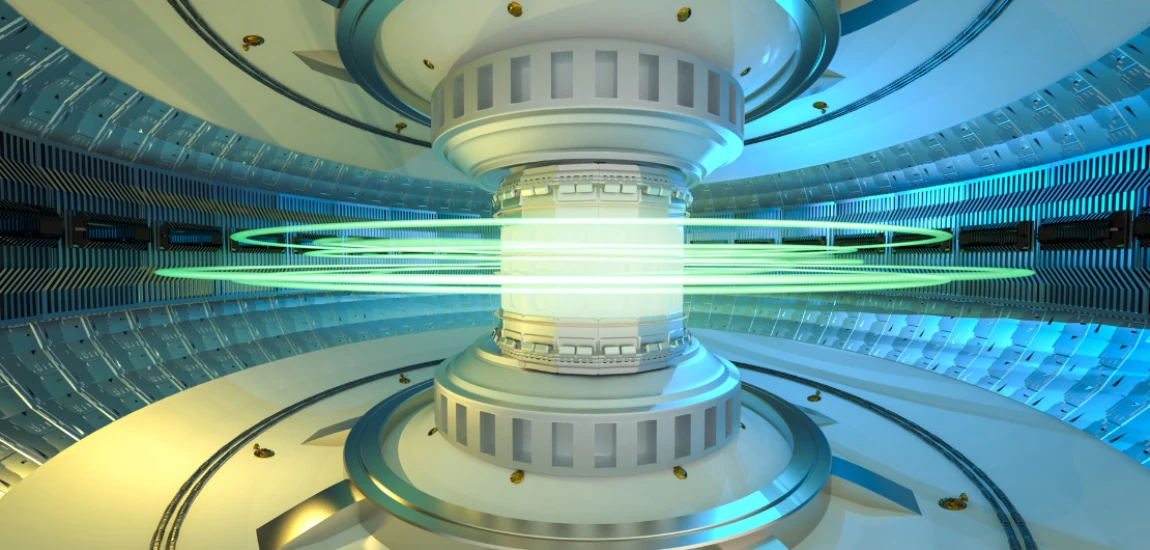
Fusion energy has long been considered the ultimate solution to the world's growing demand for clean, reliable, and sustainable electricity. Unlike conventional fossil fuels that produce harmful greenhouse gases or traditional nuclear fission that generates long-lived radioactive waste, fusion energy produces immense amounts of power by replicating the same process that fuels the Sun. As technology advances, researchers are no longer focusing solely on building fusion reactors—they are creating Fusion Energy Intelligence Networks, where artificial intelligence, advanced sensors, machine learning, cloud computing, and smart energy management systems work together to optimize every stage of power generation.
These intelligent networks continuously analyze reactor performance, monitor plasma stability, predict maintenance requirements, and coordinate electricity distribution across modern smart grids. By combining digital intelligence with advanced fusion technology, scientists aim to overcome many of the engineering challenges that have historically limited commercial fusion power. The integration of AI-driven decision-making not only improves reactor efficiency but also enhances operational safety and reduces costs.
As countries invest billions of dollars in next-generation energy infrastructure, Fusion Energy Intelligence Networks are expected to become a cornerstone of global clean energy strategies. They promise abundant electricity with minimal environmental impact while supporting the transition toward carbon-neutral economies. This article explores how intelligent fusion technologies work, their applications across industries, their benefits and challenges, and the innovations expected to shape the future of sustainable power generation.
Understanding Fusion Energy Intelligence Networks

The Evolution of Fusion Energy Technology
Fusion energy represents one of the most ambitious scientific achievements pursued by humanity. Unlike nuclear fission, which generates electricity by splitting heavy atoms, fusion combines lightweight hydrogen isotopes under extremely high temperatures and pressures to release enormous amounts of energy. This process powers the Sun and stars, making it an attractive model for sustainable electricity generation on Earth.
Recent advancements have transformed fusion research from purely experimental science into an engineering discipline supported by artificial intelligence and advanced computing. Fusion Energy Intelligence Networks integrate digital technologies with reactor operations, enabling continuous monitoring and automated optimization. These intelligent systems analyze vast quantities of operational data, making real-time adjustments that improve reactor performance while maintaining stability.
The shift toward intelligent fusion infrastructure marks a major milestone in energy innovation. Instead of relying solely on human operators, modern fusion facilities increasingly depend on AI-driven systems capable of learning from operational patterns and responding instantly to changing reactor conditions.
How Intelligence Networks Improve Fusion Systems
Fusion reactors operate under incredibly complex conditions where plasma temperatures exceed millions of degrees Celsius. Maintaining stable plasma confinement requires constant monitoring and precise control. Fusion Energy Intelligence Networks accomplish this by connecting thousands of sensors, machine learning algorithms, and predictive analytics platforms into a unified control system.
These networks process information in real time, detecting small variations that could affect reactor stability. Artificial intelligence recommends corrective actions almost instantly, minimizing energy losses and improving operational efficiency. Over time, continuous learning allows these systems to become increasingly accurate, supporting safer and more reliable fusion power generation.
Building the Foundation for Future Energy
Beyond reactor operations, Fusion Energy Intelligence Networks extend into smart electrical infrastructure. Intelligent software coordinates electricity generation, storage, and grid distribution while balancing supply with changing consumer demand. This integrated approach ensures that future fusion power plants operate as efficient components of intelligent national energy networks rather than isolated facilities.
Artificial Intelligence Driving Next-Generation Fusion Power

AI-Powered Plasma Control
Artificial intelligence has become one of the most valuable tools in fusion research because plasma behavior is extraordinarily difficult to predict using traditional mathematical models alone. Machine learning algorithms analyze millions of operational data points to recognize patterns associated with plasma instability before disruptions occur.
Rather than simply reacting to problems, AI systems anticipate them and make rapid adjustments to magnetic confinement systems, helping maintain optimal operating conditions. This predictive capability significantly improves reactor efficiency while reducing equipment stress and operational downtime.
Continuous learning enables AI platforms to refine their performance after every experiment. As additional reactor data becomes available, machine learning models become increasingly capable of optimizing plasma confinement and maximizing energy production.
Predictive Maintenance and Smart Operations
Fusion reactors contain thousands of complex components that operate under extreme conditions. Unexpected equipment failures can interrupt research and increase maintenance costs. Fusion Energy Intelligence Networks solve this challenge through predictive maintenance powered by artificial intelligence.
Sensors continuously monitor vibration, temperature, radiation exposure, and material performance throughout the reactor. AI algorithms detect early signs of wear and recommend maintenance before failures occur. This proactive approach reduces downtime while extending equipment lifespan and improving operational reliability.
Intelligent Data Analytics
Modern fusion experiments generate enormous quantities of scientific data every second. Advanced analytics platforms organize and interpret this information far more efficiently than conventional methods. Researchers can rapidly identify successful operating conditions, optimize experimental parameters, and accelerate technological improvements through data-driven decision making.
Clean Power Generation Technologies Supporting Fusion Energy

Advanced Magnetic Confinement Systems
One of the greatest engineering challenges in fusion energy is maintaining plasma stability. Powerful superconducting magnets create magnetic fields that prevent the ultra-hot plasma from touching reactor walls. Fusion Energy Intelligence Networks continuously monitor these magnetic fields and adjust them in real time to maximize efficiency.
Advanced control systems integrate sensor feedback with AI algorithms, ensuring that plasma remains stable despite changing operating conditions. This intelligent coordination significantly improves reactor performance while reducing energy losses during operation.
Smart Energy Storage Integration
Fusion power plants will eventually become major contributors to national electricity grids. Intelligent energy storage systems will play an essential role by storing excess electricity during periods of low demand and releasing it when demand increases.
Artificial intelligence manages charging and discharging cycles, ensuring optimal energy availability while maintaining grid stability. This intelligent coordination supports a more resilient and flexible electricity infrastructure capable of integrating multiple renewable energy sources.
Sustainable Grid Management
Future smart grids will rely heavily on digital communication between power plants, storage facilities, consumers, and distribution networks. Fusion Energy Intelligence Networks enable this coordination by providing real-time visibility into electricity production and consumption.
Intelligent grid management minimizes transmission losses, balances regional demand, and improves energy efficiency across entire power systems. These capabilities strengthen national energy security while supporting long-term sustainability goals.
Industrial and Environmental Applications

Supporting Global Decarbonization
Fusion energy offers enormous potential for reducing greenhouse gas emissions because it produces electricity without burning fossil fuels. Fusion Energy Intelligence Networks maximize this environmental benefit by optimizing reactor efficiency and minimizing operational waste.
Industries with high energy requirements—including steel manufacturing, chemical production, transportation, and large-scale computing—could eventually transition toward fusion-generated electricity. This shift would significantly reduce carbon emissions while maintaining reliable industrial productivity.
Powering Smart Cities and Digital Economies
The rapid expansion of smart cities, artificial intelligence, cloud computing, and electric transportation requires dependable clean energy. Fusion power supported by intelligent energy networks can provide continuous electricity regardless of weather conditions, unlike many renewable sources that depend on sunlight or wind availability.
Reliable clean energy strengthens digital infrastructure while supporting sustainable urban development. Intelligent coordination between fusion reactors and smart grids ensures efficient electricity distribution across rapidly growing metropolitan regions.
Environmental Sustainability
Fusion reactors produce far less long-term radioactive waste than conventional nuclear fission plants and require relatively small quantities of fuel derived from abundant hydrogen isotopes. Intelligent monitoring systems further reduce environmental impact by optimizing resource utilization and minimizing operational inefficiencies.


Gilbert Ott, the man behind "God Save the Points," specializes in travel deals and luxury travel. He provides expert advice on utilizing rewards and finding travel discounts.
Gilbert Ott

Prev Post

Next Post