
Space-Based Solar Power Networks and the Future of Unlimited Clean Energy
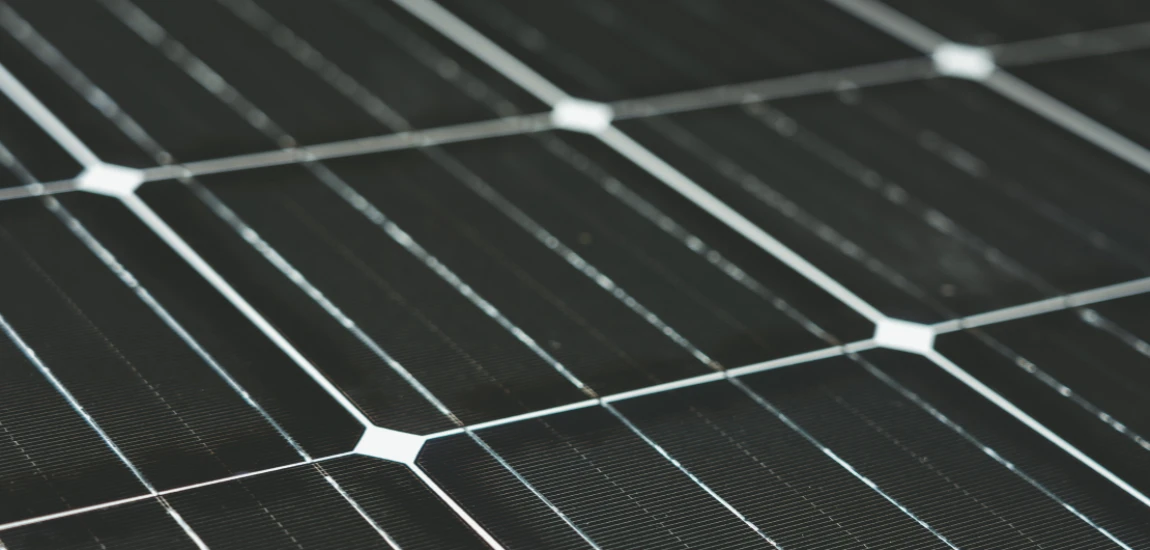
As the global demand for electricity continues to rise, nations are searching for cleaner, more reliable, and sustainable energy sources that can meet future needs while reducing carbon emissions. Although solar energy has become one of the fastest-growing renewable resources, conventional solar farms remain dependent on weather conditions, seasonal changes, and the day-night cycle. These limitations reduce overall energy production and require complementary energy storage systems to ensure a stable electricity supply.
Space-Based Solar Power Networks (SBSP) offer a revolutionary alternative by collecting solar energy directly in space, where sunlight is available almost continuously. Orbiting solar power stations equipped with massive photovoltaic arrays can capture uninterrupted solar radiation, convert it into electricity, and transmit that energy wirelessly to receiving stations on Earth using microwave or laser technology. This approach has the potential to provide clean electricity around the clock, regardless of weather conditions or geographical location.
Advances in reusable rockets, lightweight materials, robotics, wireless power transmission, and space manufacturing are bringing this once-theoretical concept closer to reality. Governments, private aerospace companies, and research organizations are actively exploring orbital energy systems capable of supporting future global electricity demands. This article examines how space-based solar power networks work, their technological foundations, real-world applications, challenges, and their role in creating a future powered by virtually unlimited clean energy.
Understanding Space-Based Solar Power Networks and Their Core Technologies

How Space-Based Solar Power Works
Space-based solar power systems operate by placing large solar energy collection platforms into Earth orbit, where they receive nearly constant sunlight throughout the year. Unlike terrestrial solar farms that lose productivity during nighttime or cloudy weather, orbital solar stations generate electricity almost continuously because they remain above Earth's atmosphere for most of their operational cycle.
Solar panels installed on these satellites convert sunlight into electrical energy, which is then transformed into microwave or laser beams for wireless transmission toward specially designed receiving stations on Earth. These ground-based receivers, commonly known as rectennas, convert the transmitted energy back into usable electricity that can be integrated into existing electrical grids.
Because no fuel combustion occurs during energy generation, space-based solar power produces virtually no greenhouse gas emissions during operation. This makes it an attractive long-term solution for addressing climate change while meeting growing global energy demands.
Technologies Driving Orbital Energy Systems
Developing space-based solar power requires the integration of numerous advanced technologies. High-efficiency photovoltaic cells maximize energy generation while lightweight composite materials reduce launch costs. Robotic assembly systems are expected to construct and maintain massive orbital power stations that would be too large for conventional rocket deployment.
Wireless power transmission technologies using microwaves or lasers allow electricity to travel from orbit to Earth with high precision. Artificial intelligence continuously optimizes satellite positioning, energy collection, beam alignment, and system maintenance to maximize efficiency.
Reusable launch vehicles significantly reduce transportation costs, while autonomous servicing spacecraft perform inspections, repairs, and component replacements. Together, these technologies create an integrated energy ecosystem capable of delivering continuous renewable electricity from space.
Why Space-Based Solar Power Matters
Global electricity consumption continues increasing due to population growth, industrial expansion, electric vehicles, and digital infrastructure. Existing renewable energy sources remain vulnerable to weather variability, limiting their ability to provide uninterrupted power.
Space-based solar power addresses this challenge by generating electricity almost continuously, improving energy security while reducing dependence on fossil fuels. Countries with limited land availability or inconsistent sunlight could benefit from reliable renewable electricity delivered directly from orbital infrastructure.
As climate goals become increasingly ambitious, space-based solar power networks may become an important component of diversified global clean energy strategies.
How Space-Based Solar Power Networks Can Transform Global Energy

Providing Continuous Renewable Electricity
Traditional renewable energy systems depend heavily on environmental conditions. Solar panels generate electricity only during daylight hours, while wind turbines rely on favorable wind patterns. These fluctuations require expensive battery storage systems or backup power plants to maintain reliable electricity supplies.
Space-based solar power overcomes these limitations by harvesting sunlight nearly twenty-four hours a day. Orbiting power stations experience only brief eclipse periods, allowing consistent energy generation throughout the year. This stable electricity production improves grid reliability and reduces dependence on fossil-fuel-powered backup systems.
Continuous renewable power also supports critical infrastructure such as hospitals, emergency response centers, communication networks, and industrial facilities that require uninterrupted electricity to operate safely and efficiently.
Supporting Global Energy Access
Millions of people worldwide still lack reliable access to electricity. Building conventional energy infrastructure in remote regions, isolated islands, mountainous terrain, and disaster-affected areas is often difficult and expensive.
Space-based solar power networks could deliver electricity wirelessly to strategically located receiving stations without requiring extensive transmission infrastructure across challenging landscapes. This capability improves energy accessibility while supporting economic development, education, healthcare, and digital connectivity in underserved communities.
Emergency response operations may also benefit from rapidly deployable receiving systems capable of supplying electricity following natural disasters, where traditional power infrastructure has been damaged or destroyed.
Accelerating the Clean Energy Transition
Reducing greenhouse gas emissions requires replacing fossil fuels with reliable renewable alternatives capable of meeting increasing energy demands. Space-based solar power complements terrestrial renewable resources by providing stable baseload electricity regardless of weather conditions.
The technology can support hydrogen production, electric transportation, advanced manufacturing, desalination plants, and large-scale data centers that require dependable power supplies. Combined with smart grids and energy storage technologies, orbital solar power could strengthen national energy resilience while accelerating progress toward global sustainability goals.
As launch costs continue declining and space technologies mature, space-based solar power networks may become a cornerstone of future carbon-neutral energy systems.
Real-World Applications of Space-Based Solar Power Networks

Powering Smart Cities and Critical Infrastructure
Space-Based Solar Power Networks have the potential to transform how modern cities generate and consume electricity. Smart cities rely on continuous energy to operate intelligent transportation systems, connected infrastructure, healthcare facilities, communication networks, and public services. Orbital solar power stations can provide uninterrupted renewable electricity, reducing the risks associated with power outages and fluctuating renewable energy production.
Critical infrastructure such as hospitals, emergency response centers, airports, military installations, and financial data centers require reliable electricity around the clock. Space-based solar power offers an additional layer of energy security by supplying clean power regardless of weather conditions, seasonal changes, or natural disasters affecting ground-based power plants.
Future smart grids integrated with artificial intelligence could automatically manage electricity received from orbital power stations, balancing demand across residential, commercial, and industrial sectors. This intelligent energy distribution would improve efficiency, reduce transmission losses, and strengthen the resilience of national electrical networks. As urban populations continue growing, continuous renewable energy from space could become a valuable resource for supporting sustainable city development.
Supporting Space Exploration and Lunar Infrastructure
Space-based solar power is not limited to supplying electricity on Earth. Future missions to the Moon, Mars, and other destinations may depend on orbital energy networks that provide reliable power for habitats, research stations, mining operations, and communication systems.
Lunar bases could receive continuous electricity from orbiting solar satellites during the long lunar night, eliminating the need for massive energy storage systems. Similarly, Mars missions could benefit from orbital power stations that reduce dependence on local weather conditions and dust storms, which often limit surface solar panel performance.
Space agencies are also exploring the possibility of using wireless power transmission between satellites, spacecraft, and planetary infrastructure. Such capabilities would improve mission flexibility while supporting long-duration human exploration beyond Earth. As humanity expands its presence in space, orbital energy systems may become essential infrastructure for sustaining future extraterrestrial civilizations.
Enabling Sustainable Industrial Growth
Many industries require enormous amounts of electricity for manufacturing, chemical processing, mining, and heavy engineering. Space-based solar power networks could provide stable renewable energy for these operations, helping industries reduce carbon emissions while maintaining productivity.
Green hydrogen production is another promising application. Electrolysis facilities powered by continuous orbital solar energy could produce hydrogen more efficiently, supporting clean transportation, industrial manufacturing, and long-term energy storage. Large-scale desalination plants may also benefit from uninterrupted renewable electricity, improving freshwater availability in water-scarce regions.
By supporting industrial decarbonization, orbital solar power contributes to global sustainability efforts while enabling economic growth without increasing dependence on fossil fuels. This combination of environmental and economic benefits makes space-based solar power an attractive long-term investment.
Challenges Facing Space-Based Solar Power Deployment

Engineering and Technical Barriers
Despite its enormous potential, space-based solar power remains one of the most ambitious engineering projects ever proposed. Constructing massive solar power stations in orbit requires lightweight materials, modular designs, robotic assembly systems, and highly reliable components capable of operating for decades in harsh space environments.
Wireless power transmission also presents technical challenges. Engineers must ensure that microwave or laser beams remain precisely aligned with receiving stations while minimizing energy losses and maintaining public safety. Continuous improvements in beam control, satellite positioning, and transmission efficiency will be necessary before large-scale commercial deployment becomes practical.
Long-term maintenance presents another challenge. Autonomous robotic servicing spacecraft will likely perform inspections, repairs, and component replacements, reducing the need for costly human missions while extending satellite operational lifespans.
Cost, Infrastructure, and International Cooperation
Launching thousands of tons of equipment into orbit remains expensive despite recent reductions in launch costs. Building complete space-based solar power networks will require significant investment from governments, private industry, and international partnerships.
Ground infrastructure must also be developed, including large rectenna receiving stations, upgraded electrical grids, and advanced energy management systems capable of integrating orbital electricity into national power networks.
International cooperation will play a crucial role because orbital energy systems affect multiple countries. Shared standards, regulatory frameworks, orbital traffic management, and spectrum allocation agreements will help ensure safe and efficient operation while encouraging collaborative investment.
Environmental and Regulatory Considerations
Although space-based solar power generates clean electricity, developers must carefully evaluate potential environmental impacts associated with satellite manufacturing, rocket launches, orbital debris, and wireless energy transmission.
Governments will need comprehensive regulations addressing space traffic management, satellite disposal, transmission safety, environmental monitoring, and public acceptance. Transparent communication and scientific research will help build confidence in the safety and reliability of orbital power systems.
Responsible planning ensures that space-based solar power contributes to global sustainability while minimizing unintended environmental consequences both in space and on Earth.


Kate McCulley, the voice behind "Adventurous Kate," provides travel advice tailored for women. Her blog encourages safe and adventurous travel for female readers.
Kate McCulley

Prev Post

Next Post