
Smart Water Resource Intelligence Systems and Sustainable Distribution Management Frameworks
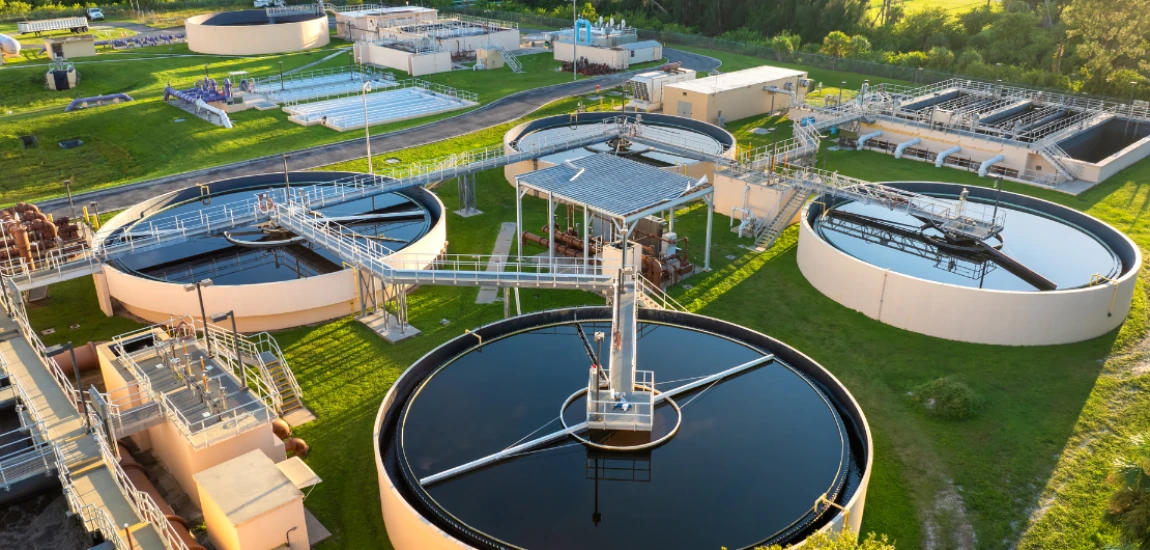
Water is one of the most essential resources for human survival, agriculture, industry, and ecosystem balance, yet it is increasingly under pressure due to population growth, climate change, pollution, and inefficient distribution systems. Many regions across the world face severe water scarcity, while others suffer from outdated infrastructure that leads to massive water losses through leakage, evaporation, and poor management. Traditional water distribution systems often rely on static monitoring and manual control, which makes them inefficient in responding to real-time demand fluctuations and environmental changes. To address these challenges, smart water resource intelligence systems and sustainable distribution management frameworks are emerging as powerful solutions powered by artificial intelligence, IoT sensors, big data analytics, and cloud-based monitoring platforms. These intelligent systems enable real-time water tracking, predictive demand analysis, automated leak detection, and optimized distribution strategies that significantly improve efficiency and sustainability. By transforming water infrastructure into intelligent, adaptive, and data-driven networks, these technologies are playing a critical role in ensuring long-term water security, reducing waste, and supporting sustainable urban and agricultural development.
Understanding Smart Water Resource Intelligence Systems

Evolution of Water Management Technologies
Water management has evolved from manual monitoring systems to highly advanced digital infrastructures driven by data and artificial intelligence. In the past, water distribution relied on fixed schedules, human inspections, and basic mechanical control systems that lacked real-time responsiveness. As urbanization expanded and water demand increased, these traditional systems became insufficient for managing large-scale water networks efficiently.
The introduction of digital meters, remote sensing technologies, and automated pumping systems marked the beginning of modern water management. However, the real transformation began with the integration of IoT devices, machine learning algorithms, and cloud-based analytics platforms.
Smart water resource intelligence systems now enable utilities and governments to monitor water usage in real time, detect anomalies instantly, and optimize distribution based on dynamic demand patterns. These systems create a connected digital ecosystem where every drop of water is tracked, analyzed, and managed intelligently.
Today, water infrastructure is shifting toward fully automated, AI-powered systems that improve efficiency, reduce losses, and support sustainable resource management on a global scale.
Core Components of Intelligent Water Systems
Smart water resource intelligence systems are built using several advanced technologies working together to ensure efficient monitoring and distribution. IoT sensors are placed throughout water networks to measure flow rate, pressure levels, quality indicators, and consumption patterns in real time.
Artificial intelligence and machine learning algorithms analyze this data continuously to identify trends, predict demand fluctuations, and detect system irregularities. Cloud computing platforms store and process large volumes of water-related data, enabling centralized control and decision-making.
Geospatial mapping and digital twin technologies provide virtual models of water infrastructure, allowing operators to simulate system behavior under different conditions. Edge computing ensures real-time responsiveness by processing critical data locally within water distribution nodes.
Together, these technologies form an integrated intelligent ecosystem capable of managing complex water networks with high precision and efficiency.
Importance of Intelligent Water Management
Smart water intelligence systems are essential because global water demand is increasing while supply remains limited. Inefficient distribution, leakage, and overconsumption are major contributors to water scarcity in many regions.
Intelligent systems help reduce water waste by detecting leaks early, optimizing pressure levels, and improving consumption forecasting. They also enhance water quality monitoring by identifying contamination risks in real time.
These systems support sustainable development goals by promoting responsible water usage, reducing environmental impact, and ensuring equitable distribution of resources across communities.
Sustainable Water Distribution Management Frameworks

Real-Time Water Distribution Optimization
Sustainable water distribution frameworks rely heavily on real-time monitoring and AI-driven optimization to ensure efficient water delivery. These systems continuously analyze consumption data, infrastructure conditions, and environmental factors to adjust distribution dynamically.
Machine learning algorithms predict water demand patterns across residential, agricultural, and industrial sectors. This allows utility providers to allocate resources more effectively and avoid shortages or overflows.
Real-time optimization also helps balance water pressure across networks, reducing infrastructure stress and preventing pipe bursts. Smart control systems automatically regulate valves, pumps, and reservoirs based on real-time analytics.
This dynamic approach ensures efficient water flow while minimizing operational costs and energy consumption.
Leak Detection and Infrastructure Monitoring
Water leakage is one of the biggest challenges in global water distribution systems, leading to significant resource loss and financial inefficiency. Smart water frameworks use AI-powered leak detection systems to identify problems early.
Acoustic sensors, pressure monitors, and flow meters continuously analyze pipeline conditions. Machine learning algorithms detect unusual patterns that may indicate leaks or structural damage.
Once a potential issue is identified, automated alerts are sent to maintenance teams for immediate action. In some advanced systems, robotic inspection devices can physically locate and assess pipeline damage.
These technologies significantly reduce water loss, improve infrastructure lifespan, and lower maintenance costs.
Smart Metering and Consumption Analytics
Smart metering systems play a crucial role in modern water management by providing accurate, real-time consumption data for households, industries, and agricultural users.
Digital water meters transmit usage data to centralized systems where AI algorithms analyze consumption behavior and detect anomalies such as excessive usage or unauthorized consumption.
Consumers also benefit from smart metering through detailed usage insights that encourage water conservation and responsible usage habits.
Utility providers can use this data to design fair pricing models, improve demand forecasting, and implement targeted conservation programs.
Artificial Intelligence in Water Resource Management

Predictive Demand Forecasting
Predictive analytics is one of the most powerful applications of AI in water management. Machine learning models analyze historical usage patterns, weather conditions, population growth, and seasonal variations to forecast future water demand.
Accurate forecasting helps utility providers plan resource allocation, optimize storage levels, and prevent shortages during peak consumption periods.
Predictive systems also support long-term infrastructure planning by identifying future demand hotspots and expansion requirements.
This proactive approach significantly improves operational efficiency and ensures stable water supply across regions.
AI-Driven Water Quality Monitoring
Maintaining water quality is essential for public health and environmental sustainability. AI-powered monitoring systems continuously analyze chemical composition, temperature, turbidity, and contamination levels in water supplies.
IoT sensors detect pollutants and trigger alerts when water quality falls below acceptable standards. Machine learning models can also predict contamination risks based on environmental factors and industrial activity.
Automated purification systems respond quickly to maintain safe water conditions for consumers.
These technologies ensure that water remains safe, clean, and suitable for consumption across distribution networks.
Intelligent Decision Support Systems
AI-powered decision support systems help water management authorities make informed operational and strategic decisions. These systems analyze complex datasets and provide actionable insights for infrastructure planning, emergency response, and resource allocation.
Decision support tools can simulate different water distribution scenarios and recommend optimal strategies based on real-time conditions.
This improves efficiency, reduces human error, and enhances overall system reliability in water management operations.
IoT and Sensor Networks in Smart Water Systems

Real-Time Environmental Monitoring
IoT sensor networks are the backbone of smart water systems, enabling continuous monitoring of environmental and infrastructure conditions. These sensors measure water levels, flow rates, pressure changes, and environmental variables such as temperature and humidity.
Real-time monitoring allows operators to respond quickly to changes in water demand or system performance.
Environmental sensors also help detect drought conditions, flooding risks, and seasonal variations affecting water availability.
This data-driven approach improves water management accuracy and resilience.
Automated Control and Smart Infrastructure
Smart water systems use IoT-enabled automation to control pumps, valves, and distribution networks efficiently. These systems adjust operations dynamically based on real-time sensor data.
Automated control reduces human intervention, improves efficiency, and ensures consistent water supply across networks.
Smart infrastructure also supports remote management, allowing operators to control water systems from centralized control centers.
This improves scalability and operational flexibility for large water distribution networks.
Edge Computing in Water Networks
Edge computing enhances smart water systems by processing data locally at sensor or device level instead of relying entirely on cloud systems.
This reduces latency and improves response time for critical operations such as leak detection and pressure control.
Edge-based systems also reduce bandwidth usage and improve reliability in remote or disconnected areas.
This makes water management systems more efficient and resilient.


Kate McCulley, the voice behind "Adventurous Kate," provides travel advice tailored for women. Her blog encourages safe and adventurous travel for female readers.
Kate McCulley

Prev Post
Next Post