
AI-Based Disaster Prediction Systems and Real-Time Emergency Response Coordination Networks
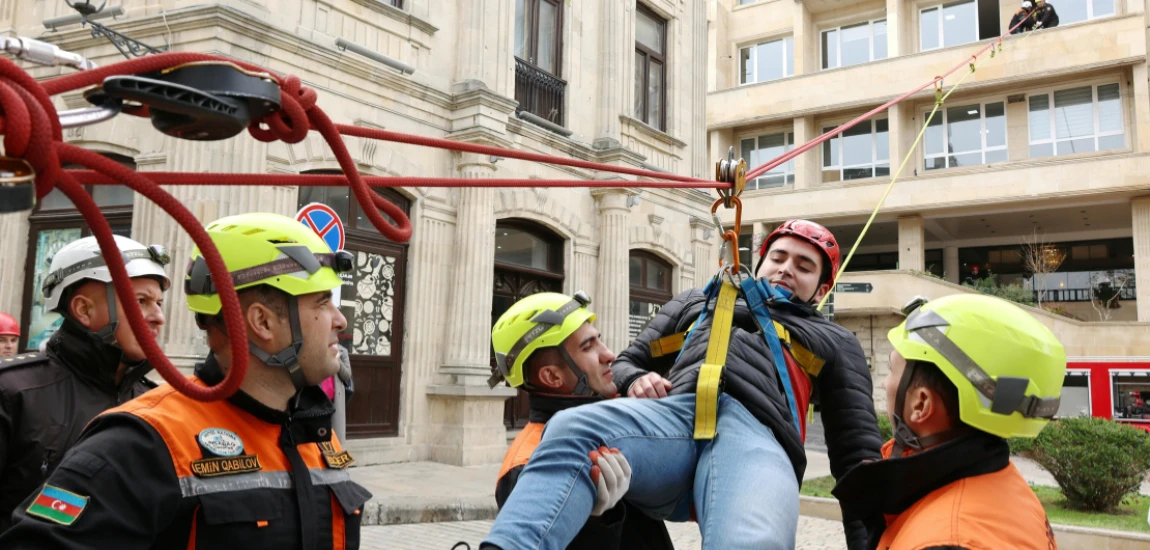
Natural disasters and large-scale emergencies continue to pose significant threats to human lives, infrastructure, economies, and environmental stability worldwide. Earthquakes, floods, hurricanes, wildfires, tsunamis, pandemics, industrial accidents, and climate-related catastrophes are becoming more frequent and severe due to rapid urbanization, environmental degradation, and climate change. Traditional disaster management systems often struggle to provide accurate early warnings, coordinate emergency responses efficiently, and process large amounts of real-time data during critical situations. To address these challenges, governments, emergency agencies, and technology organizations are increasingly adopting AI-based disaster prediction systems and real-time emergency response coordination networks powered by artificial intelligence, machine learning, IoT sensors, satellite monitoring, predictive analytics, and cloud computing technologies. These intelligent systems analyze environmental data continuously, identify potential disaster risks, forecast emergency scenarios, and coordinate rapid response operations with remarkable speed and accuracy. Unlike conventional disaster management approaches, AI-driven frameworks enable proactive decision-making, automated resource allocation, and intelligent communication across emergency response teams. As global disaster risks continue increasing, AI-powered emergency management systems are becoming essential for improving public safety, minimizing economic losses, and strengthening disaster resilience worldwide.
Understanding AI-Based Disaster Prediction Systems

Evolution of Disaster Management Technologies
Disaster management has evolved significantly over the years as technological advancements improved monitoring, communication, and emergency response capabilities. Early disaster warning systems relied heavily on manual observations, historical patterns, and limited communication infrastructure, making rapid response difficult during emergencies.
The introduction of satellite imaging, remote sensing, weather forecasting technologies, and digital communication systems improved disaster monitoring and early warning capabilities. However, modern disasters generate massive amounts of complex environmental and operational data that traditional systems often struggle to process effectively.
AI-based disaster prediction systems emerged as a solution by integrating artificial intelligence, machine learning, and big data analytics into disaster management operations. These systems can analyze real-time environmental conditions, recognize abnormal patterns, and predict disaster events before they escalate.
Today, intelligent disaster management frameworks support governments, humanitarian organizations, and emergency agencies in improving preparedness, response efficiency, and long-term resilience planning.
Core Components of AI Disaster Prediction Frameworks
AI-driven disaster prediction systems rely on multiple interconnected technologies that work together to monitor risks and coordinate emergency responses. Artificial intelligence serves as the analytical engine responsible for processing environmental, geographical, and operational data continuously.
Machine learning algorithms analyze historical disaster records, climate data, and real-time sensor information to forecast potential emergencies. IoT sensors monitor seismic activity, water levels, atmospheric conditions, temperature changes, and structural stability in vulnerable regions.
Satellite imaging and drone surveillance systems provide real-time visual monitoring of disaster-prone areas. Cloud computing infrastructures support large-scale data storage and real-time processing capabilities, while edge computing technologies improve response speed in remote environments.
Communication networks and emergency coordination platforms connect rescue teams, government agencies, healthcare providers, and public alert systems to ensure efficient crisis management.
Importance for Global Safety and Resilience
AI-based disaster prediction systems are becoming increasingly important because disasters are growing more complex and unpredictable due to climate change and urban expansion. Traditional response models often react after disasters occur, resulting in delayed interventions and higher casualty rates.
Intelligent disaster management systems support proactive strategies by predicting emergencies early and enabling faster decision-making. These technologies improve public safety by providing timely evacuation warnings, resource optimization, and coordinated emergency responses.
AI-powered frameworks also strengthen national resilience by helping governments prepare for large-scale disasters more effectively. Their ability to analyze massive datasets and simulate disaster scenarios makes them essential for future emergency management infrastructures.
Real-Time Emergency Response Coordination Networks

Intelligent Emergency Communication Systems
Communication is one of the most critical aspects of effective disaster response operations. Real-time emergency response coordination networks use AI-powered communication platforms to connect emergency teams, government agencies, healthcare services, and civilians during crises.
These systems distribute alerts instantly through mobile devices, smart city infrastructures, social media platforms, and emergency broadcasting networks. AI algorithms analyze communication patterns and prioritize critical information to ensure rapid dissemination of emergency updates.
Natural language processing technologies can also interpret emergency calls, social media posts, and public messages to identify urgent situations and allocate resources efficiently.
Reliable communication frameworks improve situational awareness and coordination during disasters, reducing confusion and response delays significantly.
Automated Resource Allocation and Logistics
Disaster response operations require rapid deployment of medical supplies, rescue teams, food resources, transportation systems, and temporary shelters. AI-powered coordination networks optimize resource allocation through predictive analytics and intelligent logistics management.
Machine learning algorithms analyze disaster severity, population density, transportation conditions, and infrastructure damage to determine the most effective distribution strategies. Autonomous drones and robotic delivery systems can transport emergency supplies to inaccessible areas quickly.
AI-driven logistics frameworks also improve fuel management, route optimization, and rescue coordination during large-scale emergencies. These technologies minimize operational inefficiencies and improve response speed significantly.
Real-Time Situational Awareness
Situational awareness is essential for effective disaster response because emergency conditions can change rapidly. AI-powered monitoring systems continuously collect data from sensors, satellites, drones, and communication networks to create real-time operational insights.
Interactive dashboards and predictive analytics platforms help emergency managers track disaster progression, identify high-risk zones, and coordinate rescue operations efficiently. Computer vision technologies analyze images and videos to detect structural damage, fire spread, flooding patterns, and crowd movements.
Real-time situational awareness improves decision-making accuracy and enables emergency agencies to adapt response strategies dynamically as conditions evolve.
Artificial Intelligence and Predictive Analytics in Disaster Management

Machine Learning for Disaster Forecasting
Machine learning technologies are transforming disaster forecasting by analyzing large datasets and identifying hidden patterns associated with environmental risks. AI systems process historical disaster records, climate trends, geological data, and weather conditions to predict future emergencies.
Predictive models can forecast hurricanes, floods, landslides, droughts, and wildfire outbreaks with increasing accuracy. Continuous learning mechanisms allow AI systems to improve prediction reliability over time as new environmental data becomes available.
These forecasting capabilities enable governments and communities to implement preventive measures, evacuation plans, and infrastructure protection strategies before disasters occur.
Climate Change and Environmental Monitoring
Climate change is increasing the frequency and severity of extreme weather events worldwide. AI-based environmental monitoring systems help scientists and emergency agencies understand climate-related risks more effectively.
Satellite-based AI systems monitor sea-level changes, glacier melting, atmospheric conditions, and deforestation patterns continuously. Machine learning models also predict long-term environmental changes that may increase disaster vulnerability in specific regions.
Such monitoring capabilities support sustainable urban planning, climate adaptation strategies, and environmental conservation initiatives aimed at reducing future disaster risks.
AI-Powered Risk Assessment Models
Risk assessment is a critical component of disaster preparedness and resilience planning. AI-powered risk assessment frameworks analyze infrastructure vulnerabilities, population distribution, economic factors, and environmental hazards to identify high-risk areas.
Predictive risk models help governments prioritize infrastructure investments, emergency preparedness programs, and resource allocation strategies. These systems also support insurance industries and humanitarian organizations in evaluating disaster exposure and financial risks.
Advanced simulation technologies further improve planning capabilities by modeling various disaster scenarios and estimating potential impacts accurately.
Applications of AI-Based Disaster Response Systems

Earthquake and Tsunami Warning Systems
Earthquake and tsunami detection systems are increasingly using AI technologies to improve early warning accuracy and response times. Seismic sensors connected to AI-powered monitoring platforms analyze ground movement patterns continuously.
Machine learning algorithms identify abnormal seismic activities and estimate earthquake intensity, epicenter locations, and tsunami risks rapidly. Early warning alerts provide critical time for evacuations and emergency preparations.
AI-driven systems also support post-earthquake damage assessments by analyzing satellite images and structural monitoring data.
Wildfire Detection and Forest Monitoring
Wildfires are becoming more frequent due to rising global temperatures and environmental changes. AI-based wildfire detection systems use satellite imagery, drones, thermal cameras, and environmental sensors to identify fire outbreaks at early stages.
Computer vision technologies analyze smoke patterns, vegetation conditions, and heat signatures to detect potential wildfire threats quickly. Predictive models forecast fire spread based on weather conditions, wind patterns, and terrain characteristics.
Autonomous drones and robotic firefighting systems also improve wildfire response efficiency in hazardous environments.
Flood Prediction and Urban Disaster Management
Flooding remains one of the most destructive natural disasters affecting urban and rural communities worldwide. AI-powered flood prediction systems monitor rainfall levels, river conditions, drainage infrastructure, and weather forecasts continuously.
Predictive analytics help emergency agencies identify flood-prone regions and coordinate evacuation procedures proactively. Smart city infrastructures integrated with AI technologies can automate traffic management, public alerts, and emergency shelter coordination during floods.
Urban disaster management platforms also improve resilience by supporting infrastructure planning and flood mitigation strategies.


Kate McCulley, the voice behind "Adventurous Kate," provides travel advice tailored for women. Her blog encourages safe and adventurous travel for female readers.
Kate McCulley

Prev Post

Next Post