
Silent Intelligence Systems: Why the Best Technology Is No Longer Noticeable
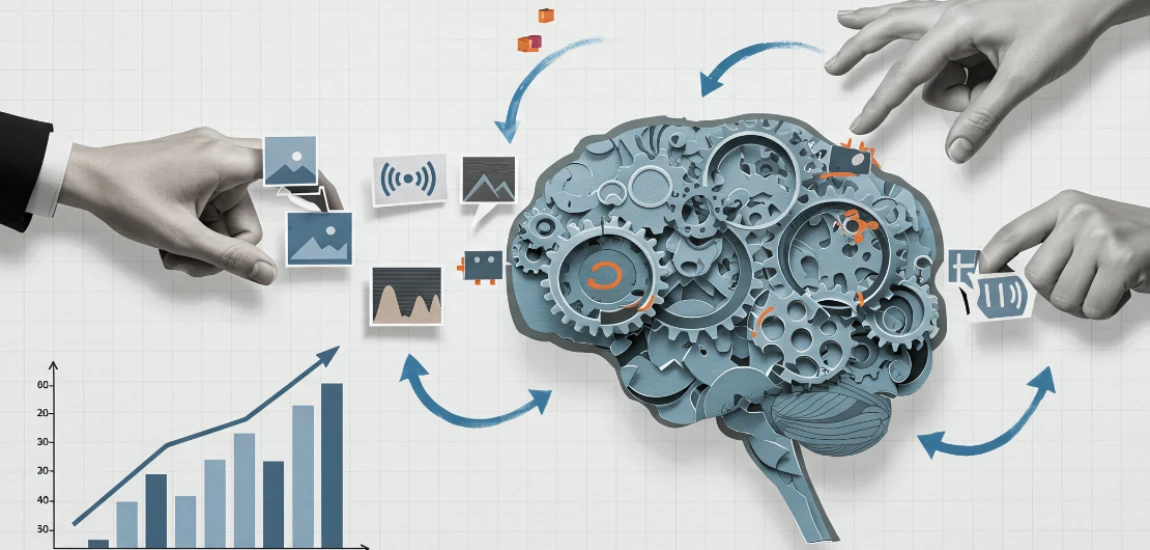
For most of computing history, progress meant visibility. Louder alerts, brighter screens, richer interfaces, and more features were signs of advancement. Today, that assumption is collapsing. The most powerful technologies are no longer the most noticeable. They are the quietest.
Silent Intelligence Systems describe a growing class of technologies designed to operate in the background—anticipating needs, adapting to context, and solving problems without demanding attention. Instead of asking users to interact constantly, these systems fade into the environment, intervening only when necessary.
This shift reflects a deeper understanding of human limits. Attention, emotional energy, and cognitive effort are finite. Technology that constantly announces itself competes with human life rather than supporting it. Silent intelligence systems reverse this relationship: technology serves best when it disappears.
What Silent Intelligence Systems Really Are

Intelligence without interaction
Silent intelligence systems are defined not by what users see, but by what they don’t have to do. These systems sense context, interpret signals, and act autonomously—without requiring explicit commands.
Examples include devices that adjust settings automatically, software that prioritizes information quietly, and AI that resolves issues before users notice a problem.
The defining feature is restraint.
The difference between visible and effective technology
Visible technology signals activity—notifications, dashboards, prompts, and animations. Effective technology reduces the need for those signals. Silent systems prioritize outcomes over interaction.
If users feel calmer, more focused, or less interrupted, the system has succeeded—even if users never consciously acknowledge it.
Why “quiet” is not “passive”
Silence does not mean inactivity. Silent intelligence systems are often highly complex, continuously processing data and adapting in real time. Their sophistication lies in knowing when not to act.
Intelligence expressed through absence is harder to design—but far more powerful.
The Evolution From Attention-Grabbing to Attention-Sparing Tech

The failure of attention-centric design
For years, software competed for engagement. Metrics rewarded clicks, time spent, and frequency of interaction. This led to alert fatigue, notification overload, and constant interruption.
Eventually, users began resisting—not consciously, but emotionally—through burnout, disengagement, and avoidance.
Calm technology as a precursor
The idea of calm technology—technology that informs but doesn’t demand—laid the foundation for silent intelligence systems. It proposed that the best systems live in the periphery of attention, moving to the center only when required.
Silent intelligence operationalizes this philosophy at scale.
Why invisibility became the new benchmark
As systems became faster and more capable, visibility stopped being a marker of progress. Reliability, trust, and emotional comfort replaced novelty.
Today, the best compliment for technology is often: “I didn’t even notice it was there.”
Where Silent Intelligence Systems Already Exist

Smart environments and ambient computing
Homes, offices, and cities increasingly use sensors and automation to manage lighting, temperature, energy use, and safety without user input. These systems respond to patterns, not commands.
The environment becomes responsive rather than reactive.
Software that anticipates instead of interrupts
Modern applications surface information contextually, suppress unnecessary alerts, and resolve issues in the background. Updates happen silently. Errors are corrected automatically.
Users experience continuity instead of disruption.
Infrastructure and reliability systems
The most advanced intelligence systems operate where failure is unacceptable—network routing, power grids, fraud detection, and security. When they work well, users never notice them at all.
Silence here is synonymous with trust.
Why Humans Prefer Unnoticeable Intelligence

Cognitive relief and emotional safety
Every interaction carries cognitive cost. Silent intelligence systems reduce decision-making, interpretation, and vigilance, freeing mental energy for meaningful activity.
Less mental noise improves well-being.
Trust built through consistency
Systems that quietly do the right thing—repeatedly—build trust faster than flashy ones. Reliability creates emotional security, even if users can’t articulate why.
Trust doesn’t need explanation; it needs stability.
Technology that respects human presence
Silent systems don’t compete for attention. They coexist. This respects the primacy of human experience over digital systems.
When technology recedes, life moves forward.


Known as "Nomadic Matt," Matthew Kepnes offers practical travel advice with a focus on budget backpacking. His blog aims to help people travel cheaper and longer.
Matthew Kepnes

Prev Post

Next Post