
Quantum-AI Hybrid Systems: The Future of Smart Computing
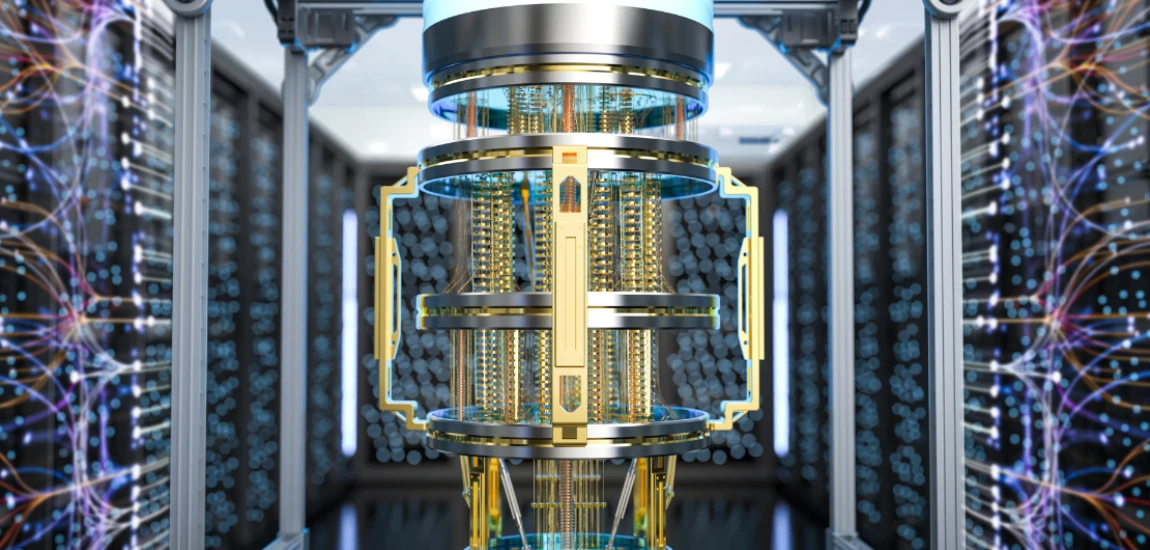
The rapid evolution of technology continues to reshape the boundaries of what machines can achieve. Among the most promising advancements is the integration of quantum computing with artificial intelligence—forming what is now known as Quantum-AI hybrid systems. These systems combine the immense computational power of quantum mechanics with the adaptability and learning capabilities of AI, unlocking new possibilities across industries.
As data complexity grows and traditional computing approaches struggle to keep pace, Quantum-AI systems offer a revolutionary alternative. From accelerating drug discovery to optimizing financial models and enhancing cybersecurity, these hybrid systems are paving the way for a smarter, faster, and more efficient digital future.
Understanding Quantum-AI Hybrid Systems

What Are Quantum-AI Hybrid Systems?
Quantum-AI hybrid systems integrate classical AI algorithms with quantum computing processes to enhance computational performance. While traditional computers rely on binary bits (0s and 1s), quantum computers use qubits, which can exist in multiple states simultaneously. This property allows quantum systems to process vast datasets at unprecedented speeds.
AI, on the other hand, excels at pattern recognition, decision-making, and learning from data. When combined, quantum computing accelerates AI computations, enabling more complex models and faster training times. This synergy results in a powerful computational framework that surpasses classical limitations.
How Quantum Computing Enhances AI
Quantum computing introduces principles such as superposition and entanglement, which significantly boost processing capabilities. These features enable AI models to analyze multiple possibilities at once, improving optimization and predictive accuracy.
For instance, machine learning models that typically take days to train can be optimized in significantly less time using quantum algorithms. This enhancement is particularly valuable in areas requiring real-time decision-making, such as autonomous systems and financial trading.
The Role of Hybrid Architectures
Hybrid architectures combine classical processors with quantum processors, allowing tasks to be distributed efficiently. Classical systems handle routine computations, while quantum systems tackle complex optimization problems.
This approach ensures practical usability, as fully quantum systems are still in development. Hybrid systems bridge the gap, making quantum-enhanced AI accessible today while paving the way for future advancements.
Key Technologies Driving Quantum-AI Integration

Quantum Machine Learning (QML)
Quantum Machine Learning is at the core of Quantum-AI systems. It leverages quantum algorithms to improve data processing and pattern recognition. QML models can handle high-dimensional data more efficiently than classical methods.
This capability is especially useful in fields like genomics and climate modeling, where datasets are massive and highly complex. QML accelerates insights and enhances predictive accuracy, making it a critical component of next-generation intelligence.
Quantum Neural Networks
Quantum Neural Networks (QNNs) are inspired by classical neural networks but operate using quantum principles. They utilize qubits and quantum gates to process information in parallel, offering exponential speed advantages.
QNNs are still in early stages but show promise in solving problems that are computationally infeasible for classical systems. Their potential applications include image recognition, natural language processing, and advanced robotics.
Cloud-Based Quantum Platforms
Access to quantum hardware is often provided through cloud platforms. These services allow researchers and developers to experiment with quantum algorithms without needing physical quantum computers.
Cloud-based solutions democratize access to Quantum-AI technologies, enabling innovation across industries. They also facilitate collaboration and rapid development, accelerating the adoption of hybrid systems worldwide.
Real-World Applications of Quantum-AI Hybrid Systems

Healthcare and Drug Discovery
Quantum-AI systems are transforming healthcare by accelerating drug discovery and personalized medicine. Quantum simulations can model molecular interactions with high precision, while AI analyzes the results to identify promising compounds.
This combination significantly reduces the time and cost associated with developing new drugs. It also enables tailored treatments based on individual genetic profiles, improving patient outcomes.
Financial Modeling and Risk Analysis
In finance, Quantum-AI systems enhance risk assessment, portfolio optimization, and fraud detection. Quantum algorithms process complex financial data, while AI models identify patterns and predict market trends.
This leads to more accurate forecasts and better decision-making. Financial institutions can respond to market changes faster, reducing risks and maximizing returns.
Logistics and Supply Chain Optimization
Quantum-AI systems improve logistics by optimizing routes, inventory management, and resource allocation. These systems analyze multiple variables simultaneously, identifying the most efficient solutions.
For global supply chains, this means reduced costs, faster delivery times, and improved resilience against disruptions. Businesses can operate more efficiently and adapt quickly to changing demands.
Benefits of Quantum-AI Hybrid Systems

Unprecedented Computational Speed
One of the most significant advantages of Quantum-AI systems is their speed. Quantum processors can perform complex calculations much faster than classical computers, enabling rapid data analysis.
This speed is crucial for applications requiring real-time insights, such as autonomous vehicles and cybersecurity systems.
Enhanced Problem-Solving Capabilities
Quantum-AI systems excel at solving optimization problems and handling complex datasets. They can explore multiple solutions simultaneously, identifying the best outcomes more efficiently.
This capability is particularly valuable in scientific research, engineering, and strategic planning, where traditional methods may fall short.
Improved Accuracy and Efficiency
By combining quantum precision with AI learning capabilities, these systems deliver highly accurate results. They reduce errors and improve efficiency across various processes.
This leads to better decision-making, reduced operational costs, and increased productivity, making Quantum-AI systems a valuable asset for businesses and researchers alike.
Challenges and Limitations

Hardware Limitations
Quantum computing technology is still in its early stages, with limited qubit stability and high error rates. Building reliable quantum hardware remains a significant challenge.
These limitations affect the scalability and practical implementation of Quantum-AI systems, slowing widespread adoption.
Algorithm Development
Developing quantum algorithms that effectively integrate with AI is complex. Researchers must design new frameworks that leverage quantum advantages while maintaining compatibility with classical systems.
This requires specialized expertise and ongoing innovation, making it a challenging but critical area of development.
High Costs and Accessibility
Quantum computing infrastructure is expensive, limiting access to large organizations and research institutions. While cloud platforms help mitigate this issue, cost remains a barrier for many.
As technology advances, costs are expected to decrease, making Quantum-AI systems more accessible to a broader audience.
Future Trends in Quantum-AI Hybrid Systems

Advancements in Quantum Hardware
Continuous improvements in quantum hardware are expected to enhance performance and reliability. Innovations in qubit design and error correction will make quantum systems more practical.
These advancements will accelerate the adoption of Quantum-AI technologies across industries.
Integration with Emerging Technologies
Quantum-AI systems will increasingly integrate with other emerging technologies such as IoT, blockchain, and edge computing. This integration will create more intelligent and interconnected systems.
For example, combining Quantum-AI with IoT could enable real-time analysis of massive data streams, improving smart city infrastructure and environmental monitoring.
Democratization of Quantum-AI
As cloud platforms expand and costs decrease, Quantum-AI technologies will become more accessible. This democratization will drive innovation and enable startups and smaller organizations to leverage these powerful tools.
Wider access will also foster collaboration and accelerate the development of new applications, shaping the future of computational intelligence.


Dave Lee runs "GoBackpacking," a blog that blends travel stories with how-to guides. He aims to inspire backpackers and offer them practical advice.
Dave Lee
Prev Post

Next Post