
Quantum Neural Telepresence Systems and Real-Time Human Consciousness Transmission Architectures
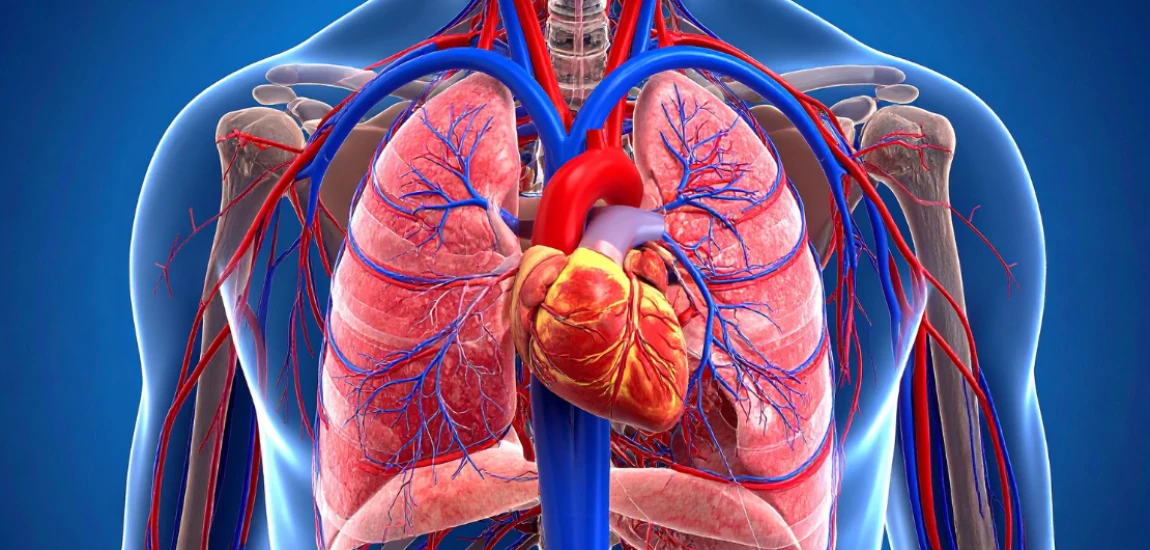
The convergence of quantum computing, artificial intelligence, neuroscience, and immersive communication technologies is opening the door to revolutionary innovations. Among the most fascinating concepts emerging from this technological evolution are Quantum Neural Telepresence Systems and Real-Time Human Consciousness Transmission Architectures. These futuristic systems aim to create seamless connections between human consciousness, intelligent machines, and remote digital environments.
Traditional telepresence systems already allow users to communicate through video conferencing, robotic interfaces, and virtual reality platforms. However, next-generation quantum neural telepresence technologies seek to go far beyond audio and visual interaction. Researchers envision systems capable of transmitting emotions, sensory experiences, cognitive responses, and neural patterns in real time across quantum communication networks.
As industries continue investing in advanced AI systems, brain-computer interfaces, quantum processors, and neural mapping technologies, the dream of consciousness-based communication is becoming a serious research topic. From remote surgery and military operations to virtual collaboration and deep-space exploration, these systems could fundamentally reshape human interaction with digital ecosystems.
Understanding Quantum Neural Telepresence Systems

Quantum neural telepresence systems are advanced communication architectures that integrate neural interfaces, quantum information processing, and immersive telepresence technologies. These systems aim to enable real-time interaction between human consciousness and remote environments using ultra-fast computational networks.
Neural Interface Integration
At the core of these systems are neural interfaces capable of translating brain activity into digital signals. Brain-computer interfaces (BCIs) use electrodes, sensors, and AI-driven neural decoding algorithms to capture electrical activity from the human brain. These signals can then be interpreted and transmitted through intelligent computing systems.
Modern BCIs already allow users to control robotic limbs, wheelchairs, and virtual environments using thought patterns. Future quantum-enhanced neural interfaces may dramatically improve signal accuracy, latency reduction, and cognitive synchronization between humans and machines.
AI-powered neural decoding models will likely play a major role in interpreting emotional states, sensory perceptions, and memory-based signals. These advancements could create immersive experiences where users feel physically present in distant environments through consciousness-driven telepresence systems.
Quantum Communication Frameworks
Quantum communication networks form the backbone of real-time consciousness transmission architectures. Unlike traditional networks, quantum systems rely on quantum entanglement and quantum state transmission to enable ultra-secure and near-instantaneous information exchange.
Quantum processors could process massive neural datasets far faster than classical computing systems. This computational power would be essential for handling complex consciousness mapping and sensory synchronization tasks in real time.
Researchers believe quantum networks may also reduce communication latency during immersive telepresence experiences. This improvement is critical for applications such as robotic surgery, autonomous industrial control, and military teleoperations where delays can have severe consequences.
Immersive Sensory Synchronization
Another important component of quantum neural telepresence systems is immersive sensory synchronization. Advanced haptic feedback systems, AI sensory simulation engines, and neuro-responsive environments could allow users to experience touch, movement, temperature, and environmental sensations remotely.
These technologies may eventually create digital environments that feel almost indistinguishable from physical reality. Such systems could redefine remote collaboration, education, entertainment, and healthcare services.
Real-Time Human Consciousness Transmission Architectures

Real-time consciousness transmission architectures represent one of the most ambitious goals in modern computational neuroscience. These frameworks focus on capturing, encoding, and transmitting cognitive states between biological and digital systems.
Brain State Mapping Technologies
Brain state mapping is essential for transmitting consciousness-related information. Advanced neuroimaging systems combined with AI analytics can help identify neural activity patterns associated with emotions, memories, intentions, and sensory experiences.
Future architectures may use quantum-enhanced brain scanning systems capable of processing neural data at unprecedented levels of detail. This could improve the accuracy of consciousness replication and cognitive synchronization.
Researchers are exploring whether dynamic neural signatures can be encoded into transferable computational models. Such models may enable remote systems to reconstruct emotional or sensory experiences with high precision.
Consciousness Encoding Mechanisms
Encoding human consciousness into digital frameworks presents major scientific and philosophical challenges. Consciousness is not fully understood, making it difficult to determine how cognitive awareness can be digitally represented.
AI-driven neural encoding systems may eventually categorize and compress brain activity into computational structures suitable for transmission across quantum networks. These encoded signals could then be reconstructed within robotic systems, virtual avatars, or immersive environments.
The development of adaptive neural encoding algorithms may also allow telepresence systems to learn and personalize experiences according to individual users. This personalization could significantly improve human-machine interaction quality.
Real-Time Cognitive Synchronization
Real-time cognitive synchronization refers to the ability of multiple systems to remain mentally and emotionally aligned during interaction. This synchronization is essential for achieving seamless consciousness-based telepresence experiences.
Advanced AI models could continuously analyze neural feedback and adjust communication parameters dynamically. Quantum processors may further improve synchronization speeds by handling parallel computations more efficiently.
Such systems could revolutionize remote teamwork by enabling deeper emotional understanding and cognitive collaboration among users located in different parts of the world.
Core Technologies Driving Quantum Telepresence Innovation

Several emerging technologies are accelerating the development of quantum neural telepresence systems and consciousness transmission architectures.
Artificial Intelligence and Neural Learning
Artificial intelligence plays a central role in interpreting neural data and managing adaptive telepresence environments. Deep learning systems can identify patterns in brain activity and convert them into actionable digital instructions.
AI-driven predictive modeling may also anticipate user intentions and optimize sensory simulations automatically. This capability would make telepresence interactions more natural and intuitive.
Generative AI technologies could further enhance immersive experiences by dynamically reconstructing environments, avatars, and sensory responses based on neural feedback.
Quantum Computing Infrastructure
Quantum computing infrastructure provides the processing power required for large-scale neural simulations and consciousness modeling. Quantum systems can potentially solve complex optimization problems far faster than classical computers.
Quantum machine learning algorithms may improve neural decoding accuracy while reducing computational bottlenecks. This advancement is especially important for real-time applications where delays must remain minimal.
Future quantum cloud systems may support globally distributed telepresence networks capable of handling billions of simultaneous neural interactions.
Brain-Computer Interface Evolution
Brain-computer interfaces are rapidly evolving from basic medical devices into advanced cognitive interaction systems. Non-invasive BCIs are becoming more accurate, portable, and commercially accessible.
Future neural implants may allow high-bandwidth communication between human brains and external digital systems. Combined with AI and quantum processing, these interfaces could support immersive telepresence experiences with realistic emotional and sensory feedback.
Researchers are also developing biocompatible neural sensors that minimize discomfort and improve long-term usability for consumers.
Applications of Quantum Neural Telepresence Systems

Quantum neural telepresence systems could transform numerous industries by enabling deeper remote interaction and immersive cognitive communication.
Healthcare and Remote Surgery
Healthcare is one of the most promising sectors for telepresence innovation. Surgeons may eventually control robotic systems remotely using direct neural interaction and sensory feedback.
Real-time consciousness synchronization could allow medical professionals to experience tactile sensations during remote procedures. This improvement may enhance surgical precision and reduce risks during complex operations.
Mental health treatment may also benefit from immersive therapeutic environments capable of responding to emotional and neurological states dynamically.
Education and Virtual Learning
Quantum telepresence systems could create highly immersive educational experiences where students interact with virtual laboratories, historical simulations, and AI-generated instructors.
Neural interaction systems may personalize learning experiences according to cognitive responses and emotional engagement levels. This could improve information retention and educational accessibility worldwide.
Remote collaboration between researchers and students may also become more immersive and interactive through consciousness-based communication platforms.
Space Exploration and Industrial Operations
Deep-space missions require advanced remote operation technologies due to extreme distances and hazardous environments. Quantum neural telepresence systems may allow astronauts and scientists to control robotic explorers more intuitively.
Industrial sectors such as mining, manufacturing, and hazardous material management could also benefit from immersive robotic teleoperation systems. Workers may safely manage dangerous environments without physical exposure.
These technologies could significantly improve operational efficiency while reducing workplace risks.
Ethical Challenges and Security Concerns

Despite their potential, quantum neural telepresence systems raise major ethical, legal, and cybersecurity concerns.
Privacy and Neural Data Protection
Neural data contains highly sensitive personal information, including emotional states, memories, and cognitive behaviors. Protecting this information from unauthorized access will be essential.
Quantum encryption technologies may improve neural communication security, but cyber threats will continue evolving alongside these systems. Governments and organizations must establish strict data governance frameworks.
Unauthorized consciousness manipulation or neural surveillance could become major ethical concerns in the future.
Identity and Consciousness Ownership
The possibility of transmitting or replicating cognitive patterns raises difficult philosophical questions regarding identity and consciousness ownership.
If consciousness can be digitally encoded, determining legal rights over neural data may become increasingly complex. Questions surrounding cognitive duplication, memory modification, and digital selfhood may challenge existing legal systems.
International ethical guidelines will likely be necessary to regulate these technologies responsibly.
Psychological and Social Impacts
Long-term use of immersive telepresence systems may alter human behavior, emotional processing, and social interaction patterns.
Users could develop psychological dependence on hyper-realistic virtual experiences. Distinguishing between physical and digitally simulated experiences may become increasingly difficult.
Societies will need strategies for maintaining healthy human relationships and psychological balance within highly immersive digital ecosystems.


Ben Schlappig runs "One Mile at a Time," focusing on aviation and frequent flying. He offers insights on maximizing travel points, airline reviews, and industry news.
Ben Schlappig
Prev Post

Next Post