
Quantum Blockchain Security Systems and Tamper-Proof Global Transaction Verification Networks
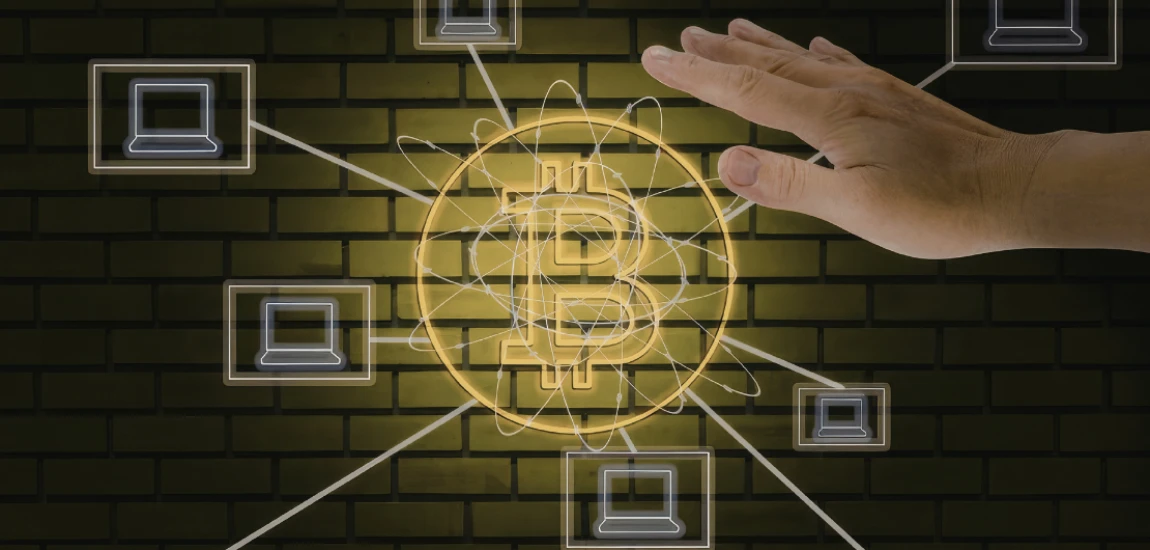
The rapid growth of digital finance, decentralized applications, and global online transactions has increased the need for highly secure and tamper-resistant digital infrastructure. Traditional cybersecurity systems are becoming increasingly vulnerable to advanced cyber threats, data manipulation, and computational attacks. At the same time, quantum computing is emerging as a transformative technology capable of solving highly complex problems at unprecedented speeds. While quantum computing offers enormous technological potential, it also introduces significant risks to existing encryption and blockchain security frameworks.
To address these challenges, researchers and technology organizations are developing quantum blockchain security systems and tamper-proof global transaction verification networks. These advanced architectures combine the decentralized trust model of blockchain technology with quantum-resistant encryption, quantum communication protocols, and AI-driven threat detection systems.
Quantum blockchain networks are designed to protect digital assets, financial transactions, identity systems, and critical infrastructure against future cyber threats, including attacks powered by quantum computers. By integrating decentralized ledgers, advanced cryptography, distributed consensus mechanisms, and quantum-safe verification frameworks, these systems create highly secure transaction ecosystems capable of supporting next-generation digital economies.
As governments, enterprises, and financial institutions accelerate digital transformation, quantum-secure blockchain infrastructures may become essential for protecting future global financial and information networks.
Understanding Quantum Blockchain Security Systems

Quantum blockchain security systems are advanced decentralized architectures designed to secure digital transactions and information networks against both classical and quantum-based cyber threats.
Blockchain Technology and Decentralized Trust
Blockchain technology creates distributed digital ledgers that record transactions across multiple interconnected nodes instead of relying on centralized databases.
Every transaction added to the blockchain is verified through consensus mechanisms and cryptographic validation processes, making unauthorized modifications extremely difficult.
This decentralized architecture improves transparency, accountability, and resistance to data tampering.
Blockchain systems are widely used in cryptocurrencies, supply chain management, digital identity verification, and decentralized finance platforms.
The integration of quantum-resistant security technologies enhances the long-term reliability and resilience of blockchain infrastructures.
Quantum Computing and Cybersecurity Risks
Quantum computing uses quantum bits, or qubits, capable of processing massive computational tasks significantly faster than traditional computers.
While this technology may revolutionize scientific research, optimization, and artificial intelligence, it also threatens current cryptographic systems used to secure online communications and blockchain networks.
Powerful quantum computers could potentially break widely used encryption methods, exposing sensitive financial data and digital transactions to cyberattacks.
Quantum blockchain security systems are being developed specifically to defend against these emerging risks through advanced post-quantum cryptographic frameworks.
Preparing for quantum-era cybersecurity challenges is becoming increasingly important for organizations worldwide.
Importance of Tamper-Proof Transaction Networks
Global digital economies rely heavily on secure transaction systems capable of preventing fraud, manipulation, and unauthorized access.
Tamper-proof verification networks use distributed consensus algorithms, cryptographic signatures, and decentralized validation systems to maintain transaction integrity.
Quantum-enhanced blockchain architectures strengthen these protections by introducing quantum-resistant encryption methods and secure communication protocols.
These technologies help protect financial systems, government databases, healthcare records, and digital identity infrastructures from evolving cyber threats.
Secure transaction verification will remain foundational to the future of digital trust and decentralized economies.
Core Technologies Behind Quantum Blockchain Verification Networks

Quantum blockchain verification systems rely on multiple advanced technologies working together to create highly secure and scalable decentralized infrastructures.
Post-Quantum Cryptography Frameworks
Post-quantum cryptography refers to encryption algorithms specifically designed to resist attacks from quantum computers.
These advanced cryptographic systems use mathematical structures that remain computationally difficult for both classical and quantum machines to破解.
Quantum-resistant encryption methods include lattice-based cryptography, multivariate cryptography, and hash-based digital signatures.
Integrating these frameworks into blockchain systems helps protect wallets, transactions, smart contracts, and communication channels from future quantum attacks.
Post-quantum security standards are expected to become essential components of next-generation digital infrastructures.
Quantum Key Distribution Systems
Quantum key distribution, often referred to as QKD, enables secure communication by using quantum mechanics principles to exchange encryption keys.
Unlike traditional communication methods, QKD can detect interception attempts immediately because observing quantum particles alters their state.
This capability creates highly secure communication channels for financial transactions, government systems, and critical infrastructure operations.
When integrated with blockchain networks, quantum key distribution improves transaction confidentiality and reduces cybersecurity risks.
Quantum communication technologies are becoming increasingly important for securing sensitive global data exchanges.
Artificial Intelligence and Threat Detection
Artificial intelligence plays a major role in monitoring blockchain activity and identifying suspicious behavior within decentralized transaction networks.
AI-powered cybersecurity systems analyze transaction patterns, network activity, and behavioral anomalies in real time.
Machine learning algorithms can detect fraud attempts, unauthorized access, and unusual blockchain activity more efficiently than traditional monitoring systems.
AI-driven analytics also help optimize consensus mechanisms, improve transaction processing efficiency, and strengthen network resilience.
The combination of AI with blockchain and quantum security technologies creates highly adaptive cybersecurity ecosystems.
Applications of Quantum Blockchain Security Across Industries

Quantum blockchain systems are transforming industries by improving digital trust, transaction security, and decentralized operational efficiency.
Financial Services and Digital Banking
Financial institutions are increasingly exploring quantum-secure blockchain infrastructures to protect online banking systems, cross-border payments, and digital asset transactions.
Tamper-proof transaction networks reduce fraud risks while improving transparency and transaction verification accuracy.
Quantum-resistant security protocols help safeguard financial systems from future quantum-powered cyberattacks.
Decentralized finance platforms also benefit from improved smart contract security and AI-powered fraud detection capabilities.
Quantum blockchain adoption may significantly reshape the future of global banking and digital finance ecosystems.
Healthcare Data Protection
Healthcare organizations manage enormous volumes of highly sensitive patient data that require advanced cybersecurity protections.
Quantum blockchain systems can secure medical records, pharmaceutical supply chains, and healthcare communication networks through encrypted decentralized infrastructures.
AI-powered monitoring systems also help detect unauthorized access attempts and protect patient privacy more effectively.
Blockchain-based medical verification systems improve transparency while reducing risks associated with data tampering and fraud.
Secure healthcare data ecosystems are becoming increasingly important in modern digital healthcare environments.
Government and Digital Identity Systems
Governments are exploring blockchain-based digital identity systems for secure citizen verification, voting systems, and administrative operations.
Quantum-secure identity networks help prevent identity theft, election fraud, and unauthorized data manipulation.
Decentralized identity architectures also improve transparency and reduce reliance on vulnerable centralized databases.
AI-enhanced blockchain systems can automate verification processes while maintaining high levels of security and accountability.
These technologies may eventually become foundational components of future digital governance infrastructures.
Challenges Facing Quantum Blockchain Security Architectures

Despite their enormous potential, quantum blockchain systems face several technical, operational, and regulatory challenges.
Scalability and Computational Complexity
Blockchain networks often struggle with transaction speed limitations and computational resource demands.
Adding quantum-resistant encryption frameworks may further increase processing complexity and infrastructure requirements.
Organizations must develop scalable architectures capable of handling high transaction volumes without compromising security or efficiency.
Hybrid cloud infrastructures, optimized consensus algorithms, and AI-driven performance management systems can help address these challenges.
Scalability improvements will be critical for supporting widespread adoption of quantum-secure blockchain ecosystems.
Regulatory and Compliance Issues
Blockchain technologies operate across international jurisdictions with varying legal standards and regulatory frameworks.
Governments and regulatory agencies are still developing policies related to decentralized finance, digital assets, and quantum cybersecurity systems.
Organizations implementing quantum blockchain solutions must ensure compliance with data protection laws, financial regulations, and cybersecurity standards.
Clear regulatory frameworks are essential for supporting innovation while protecting users and maintaining financial stability.
Global coordination may play an important role in shaping future blockchain governance models.
Energy Consumption and Sustainability Concerns
Some blockchain networks require significant computational power and energy consumption, especially those using proof-of-work consensus mechanisms.
Quantum computing systems may also require highly specialized infrastructure and cooling technologies.
Organizations should prioritize energy-efficient blockchain protocols and sustainable computing strategies to reduce environmental impacts.
AI-driven optimization systems can improve energy management and operational efficiency across distributed infrastructures.
Sustainable innovation will remain important as blockchain adoption continues expanding globally.


Derek Baron, also known as "Wandering Earl," offers an authentic look at long-term travel. His blog contains travel stories, tips, and the realities of a nomadic lifestyle.
Derek Baron

Prev Post

Next Post