
Quantum Consciousness Computing Systems and Human–AI Cognitive Fusion Architectures
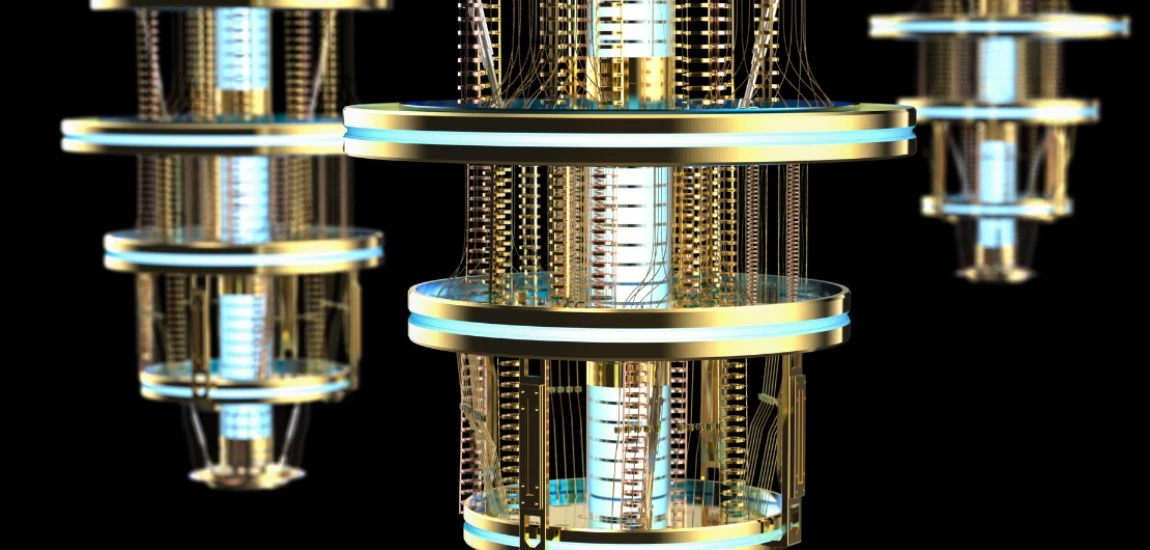
The evolution of artificial intelligence has moved far beyond traditional machine learning algorithms and data automation systems. Scientists and technology innovators are now exploring advanced computational models inspired directly by the human brain and the mysteries of consciousness itself. Quantum consciousness computing systems are emerging as one of the most revolutionary concepts in future technology, combining quantum mechanics, neural processing, cognitive science, and artificial intelligence into a unified intelligent framework.
Human–AI cognitive fusion architectures aim to create seamless collaboration between humans and intelligent machines. Instead of treating AI as a separate tool, these systems integrate cognitive functions such as reasoning, perception, emotional understanding, memory enhancement, and decision-making assistance directly into human experiences. The result could redefine medicine, communication, education, scientific research, defense systems, and digital interaction.
As industries demand faster processing power and more adaptive intelligence, quantum-enhanced AI architectures may provide solutions impossible for classical computing systems. These emerging technologies could unlock unprecedented levels of computational efficiency while enabling machines to process information in ways similar to human consciousness.
Understanding Quantum Consciousness Computing Systems

The Connection Between Quantum Mechanics and Consciousness
Quantum consciousness computing systems are based on the theory that human consciousness may involve quantum-level processes occurring within the brain. Researchers investigating this concept believe that consciousness cannot be fully explained using classical neuroscience alone. Instead, quantum interactions inside neural structures may contribute to awareness, creativity, and perception.
Quantum computing differs from classical computing because it uses quantum bits, or qubits, capable of existing in multiple states simultaneously. This property, known as superposition, allows quantum systems to process enormous amounts of information far more efficiently than traditional computers. When applied to consciousness modeling, quantum systems may simulate complex thought processes that mimic human cognition more accurately.
The combination of quantum physics and cognitive science opens possibilities for developing machines capable of adaptive reasoning, intuition-like responses, and context-aware learning. These systems could revolutionize artificial intelligence by enabling deeper understanding and dynamic problem-solving abilities.
Neural Quantum Processing Architectures
Quantum neural architectures are designed to imitate the structure and behavior of biological neural networks while leveraging quantum computational advantages. Unlike standard AI models, quantum neural systems can analyze multidimensional datasets simultaneously, improving pattern recognition and predictive analysis.
These advanced architectures integrate neural mapping, probabilistic reasoning, and quantum optimization algorithms to create highly adaptive cognitive systems. Researchers are exploring how quantum entanglement may improve communication between artificial neural layers, resulting in faster learning and more efficient knowledge transfer.
As these systems evolve, they could dramatically enhance machine creativity, emotional recognition, and contextual awareness in intelligent applications.
Role of Cognitive Simulation in Future Computing
Cognitive simulation aims to replicate human mental functions inside digital environments. Quantum consciousness computing systems may eventually simulate memory, emotional response patterns, and conscious decision-making models.
This capability could transform industries that rely on human expertise. Healthcare diagnostics, scientific discovery platforms, autonomous robotics, and intelligent education systems may all benefit from machines capable of understanding and adapting like human minds.
The long-term goal is not merely to create smarter machines but to develop intelligent systems capable of collaborative reasoning alongside humans.
Human–AI Cognitive Fusion Architectures and Their Core Technologies

Brain–Computer Interface Integration
Human–AI cognitive fusion architectures rely heavily on brain–computer interface technologies. These systems establish direct communication pathways between human neural activity and intelligent computational systems. Advanced neural sensors can interpret brain signals and convert them into machine-readable commands.
Brain–computer interfaces may enable users to control digital systems through thought alone. Future applications include neural prosthetics, memory augmentation systems, cognitive enhancement tools, and immersive virtual environments.
The integration of AI into neural communication networks could significantly improve accessibility technologies for individuals with disabilities while also enhancing human productivity and creativity.
AI-Augmented Decision Intelligence
Cognitive fusion architectures are designed to support and enhance human decision-making processes. AI systems analyze massive volumes of information in real time while humans contribute intuition, ethics, emotional understanding, and contextual reasoning.
This collaborative intelligence model creates more balanced and informed outcomes in complex environments. Financial forecasting, medical diagnostics, military strategy, climate modeling, and space exploration may benefit greatly from AI-assisted cognitive fusion systems.
These architectures aim to reduce cognitive overload by filtering information intelligently and presenting actionable insights to users instantly.
Neural Synchronization and Adaptive Learning
Human–AI cognitive fusion depends on synchronization between machine intelligence and human thought patterns. Adaptive learning systems continuously study user behavior, preferences, and cognitive responses to personalize interactions.
Over time, these systems become increasingly aligned with human cognitive processes. AI models may eventually predict user intentions, improve communication efficiency, and assist with creative tasks more naturally.
Such adaptive intelligence could redefine human productivity by creating personalized digital cognitive companions capable of evolving alongside individual users.
Applications of Quantum Consciousness Computing in Modern Industries

Healthcare and Cognitive Medicine
Quantum consciousness computing systems could revolutionize healthcare by improving disease detection, neurological analysis, and personalized treatment planning. AI-driven cognitive systems may analyze neural activity patterns to identify mental health disorders and neurological diseases earlier than current technologies.
Quantum-enhanced medical systems may also accelerate pharmaceutical research by modeling molecular interactions with unprecedented precision. Personalized cognitive therapies could adapt dynamically to patient responses, improving treatment outcomes.
Brain–AI fusion technologies may assist patients suffering from paralysis, memory disorders, or cognitive impairments through neural augmentation and intelligent prosthetics.
Intelligent Robotics and Autonomous Systems
Autonomous robots powered by quantum cognitive architectures may demonstrate significantly improved adaptability and environmental awareness. These systems could process unpredictable situations more effectively than traditional robotic platforms.
Future intelligent robots may collaborate naturally with humans in industries such as manufacturing, logistics, healthcare, and disaster response. Enhanced emotional recognition systems could allow robots to interpret human behavior more accurately and respond appropriately.
Quantum AI may also improve swarm robotics systems, enabling coordinated decision-making across multiple autonomous units simultaneously.
Education and Personalized Learning Systems
Human–AI cognitive fusion architectures may transform education through adaptive learning platforms capable of understanding individual cognitive strengths and weaknesses.
AI-driven educational systems could customize lesson delivery, pacing, and learning strategies according to each student's mental processing patterns. Quantum-enhanced analytics may identify learning gaps instantly and recommend optimized educational pathways.
These technologies may create immersive educational experiences where AI tutors collaborate with students in highly interactive and emotionally responsive environments.
Benefits of Human–AI Cognitive Fusion Architectures

Enhanced Human Intelligence and Productivity
One of the primary benefits of cognitive fusion systems is the enhancement of human intelligence. AI-assisted cognition can improve memory retention, analytical reasoning, multitasking, and decision accuracy.
Professionals working in complex industries may gain access to intelligent systems capable of providing instant insights and predictive recommendations. This could dramatically increase productivity while reducing mental fatigue.
Cognitive augmentation technologies may eventually become essential tools for scientific research, engineering, medicine, and creative industries.
Faster Problem Solving and Innovation
Quantum-enhanced AI systems can process enormous datasets at extraordinary speeds. This capability allows researchers and organizations to solve highly complex problems more efficiently.
Scientific breakthroughs in medicine, energy systems, climate science, and space exploration may accelerate significantly with quantum cognitive computing architectures. AI systems capable of simulating multiple scenarios simultaneously could uncover innovative solutions beyond human analytical limitations.
The combination of human creativity and machine computational power may unlock entirely new technological paradigms.
Improved Human–Machine Collaboration
Traditional AI systems often function as isolated tools, but cognitive fusion architectures create collaborative relationships between humans and machines. These systems learn from human behavior while humans benefit from AI-generated intelligence.
This symbiotic interaction may lead to more intuitive technologies capable of understanding human emotions, communication styles, and contextual needs.
Improved collaboration could transform workplaces by enabling smoother interaction between employees and intelligent automation systems.


Known as "Nomadic Matt," Matthew Kepnes offers practical travel advice with a focus on budget backpacking. His blog aims to help people travel cheaper and longer.
Matthew Kepnes

Prev Post

Next Post