
Brain-to-Cloud Connectivity and the Future of Neural Data Exchange
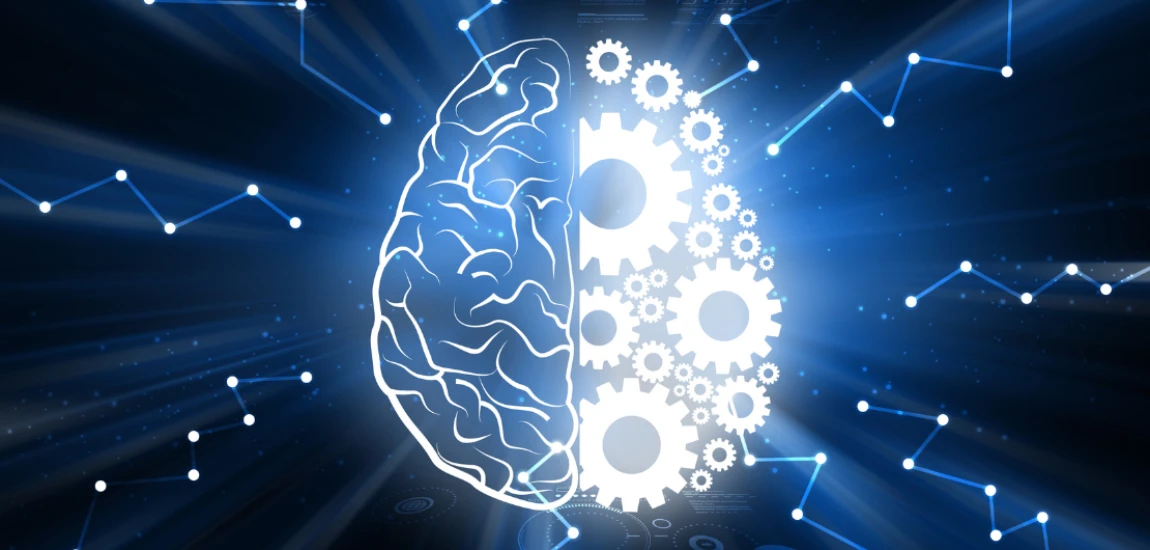
The rapid evolution of artificial intelligence, cloud computing, and neuroscience is opening new possibilities for direct communication between the human brain and digital systems. One of the most exciting developments in this field is brain-to-cloud connectivity, a concept that enables neural data to be transmitted between the brain and cloud-based computing platforms. By combining brain-computer interfaces (BCIs), advanced sensors, wireless communication, and cloud technologies, researchers aim to create systems capable of processing, storing, and analyzing brain activity in real time.
Brain-to-cloud connectivity has the potential to revolutionize healthcare, education, communication, and human-computer interaction. It could help individuals with neurological disorders regain communication abilities, improve cognitive training, and support personalized medical treatments. At the same time, cloud-based processing provides the computational power needed to analyze vast amounts of neural data more efficiently than local devices.
Although this technology is still in the early stages of development, ongoing research is making rapid progress. Advances in neural engineering, artificial intelligence, and secure cloud infrastructure are bringing the vision of seamless brain-to-cloud communication closer to reality. As ethical guidelines and privacy protections continue to evolve, brain-to-cloud connectivity may become one of the most transformative technologies of the coming decades.
Understanding Brain-to-Cloud Connectivity

What Is Brain-to-Cloud Connectivity?
Brain-to-cloud connectivity refers to the direct exchange of neural information between the human brain and cloud-based computing systems. It relies on brain-computer interfaces (BCIs) to capture brain signals, which are then securely transmitted to cloud platforms for storage, processing, and analysis. This enables advanced applications that require greater computing power than local devices can provide.
How Neural Data Exchange Works
Neural data exchange begins with sensors or implanted devices that detect electrical activity generated by neurons in the brain. These signals are converted into digital information and transmitted through secure communication networks to cloud servers. Artificial intelligence algorithms analyze the data to identify patterns, interpret brain activity, and generate meaningful responses that can be sent back to connected devices or applications.
Why This Technology Is Important
Brain-to-cloud connectivity has the potential to improve communication, healthcare, and human-computer interaction by enabling real-time analysis of neural activity. It can support people with neurological conditions, accelerate scientific research, and enhance intelligent systems that respond directly to human thoughts. As cloud computing and neurotechnology continue to advance, this approach could become a foundation for future digital innovation.
Brain-to-cloud connectivity represents a significant step toward integrating neuroscience with advanced computing technologies. By enabling secure and efficient neural data exchange, it offers new opportunities for medical research, assistive technologies, and intelligent digital systems. Although technical and ethical challenges remain, continued progress in brain-computer interfaces, artificial intelligence, and cloud infrastructure is steadily moving this concept from research laboratories toward practical real-world applications.
Benefits of Brain-to-Cloud Connectivity

Improved Healthcare and Medical Treatment
Brain-to-cloud connectivity can help doctors monitor brain activity in real time, enabling earlier diagnosis of neurological disorders such as epilepsy, Parkinson’s disease, and Alzheimer's disease. Cloud-based analysis also supports personalized treatments by processing large volumes of neural data quickly and accurately.
Enhanced Human-Computer Interaction
By connecting the brain directly to digital systems, users may eventually control computers, smart devices, or robotic assistants using neural signals. This technology could improve accessibility for individuals with physical disabilities while creating faster and more intuitive ways to interact with technology.
Accelerated Research and Innovation
Researchers can securely store and analyze large neural datasets in cloud platforms, allowing faster discoveries in neuroscience and artificial intelligence. Shared access to anonymized data also encourages global collaboration, helping scientists develop more advanced brain-computer interface technologies.
Applications of Neural Data Exchange

Healthcare and Rehabilitation
Brain-to-cloud systems can support patients recovering from strokes, spinal cord injuries, or neurological disorders by enabling real-time monitoring and adaptive rehabilitation programs. Continuous neural data analysis helps healthcare professionals track patient progress and adjust treatments more effectively.
Education and Cognitive Enhancement
Future learning platforms could use neural data to understand attention levels, memory retention, and learning patterns. This information may help create personalized educational experiences that adapt to each learner's cognitive abilities while improving engagement and knowledge retention.
Smart Devices and Artificial Intelligence
Neural data exchange can improve AI-powered systems by enabling more natural communication between humans and machines. Smart devices, wearable technologies, and intelligent assistants could respond more accurately to user intentions, making everyday interactions faster, safer, and more personalized.
Challenges and the Future of Brain-to-Cloud Connectivity

Data Privacy and Cybersecurity
Neural data contains highly sensitive personal information, making privacy and security essential. Strong encryption, secure cloud infrastructure, and strict data protection policies will be necessary to prevent unauthorized access and maintain user trust.
Technical and Ethical Challenges
Developing reliable brain-computer interfaces requires advances in sensor accuracy, wireless communication, and cloud processing. Researchers must also address ethical concerns related to informed consent, data ownership, accessibility, and the responsible use of neural information.
Future Outlook
As artificial intelligence, cloud computing, and neuroscience continue to evolve, brain-to-cloud connectivity is expected to become more practical and widely available. Future developments could transform healthcare, education, communication, and human-computer interaction, creating new opportunities while emphasizing the importance of security, privacy, and ethical innovation.


Gary Arndt operates "Everything Everywhere," a blog focusing on worldwide travel. An award-winning photographer, Gary shares stunning visuals alongside his travel tales.
Gary Arndt

Prev Post
Next Post