
Predictive Traffic Intelligence Systems and Real-Time Urban Congestion Management Frameworks
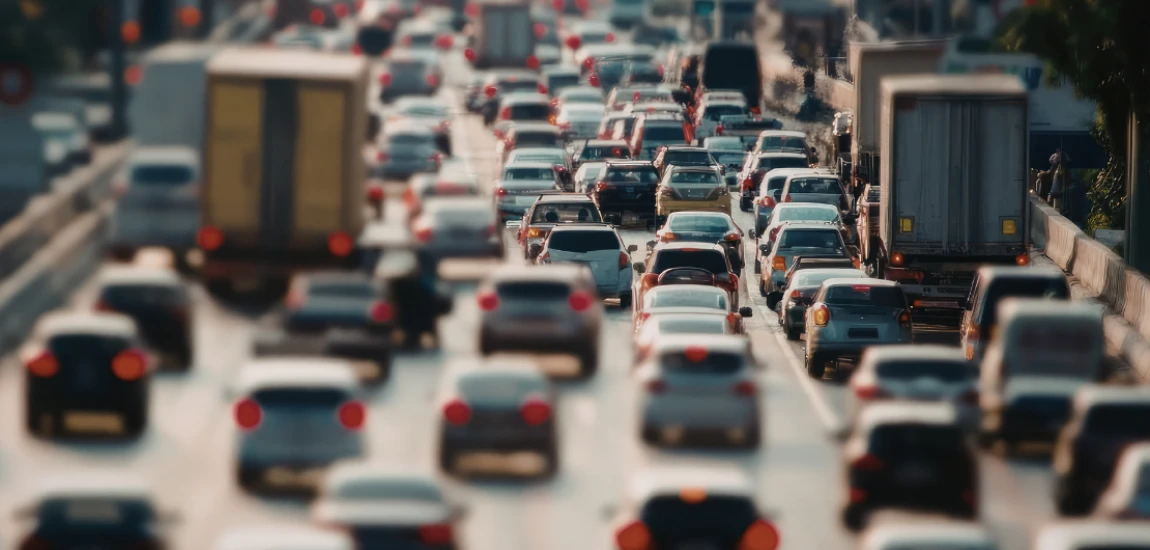
Urbanization is accelerating at an unprecedented pace, leading to rapidly increasing traffic congestion, longer commute times, higher fuel consumption, and greater environmental pollution. Traditional traffic management systems, which rely heavily on static signals and manual monitoring, are no longer sufficient to handle the complexity of modern urban mobility. Predictive traffic intelligence systems are emerging as revolutionary solutions that use artificial intelligence, real-time data analytics, and smart infrastructure to optimize traffic flow and reduce congestion.
These systems combine advanced technologies such as machine learning, computer vision, IoT sensors, GPS tracking, and cloud computing to analyze traffic patterns and predict congestion before it occurs. Real-time urban congestion management frameworks enable cities to dynamically adjust traffic signals, reroute vehicles, and optimize transportation networks based on live conditions.
Smart city initiatives around the world are increasingly adopting predictive traffic intelligence systems to improve mobility efficiency, reduce environmental impact, and enhance commuter experiences. From autonomous vehicle coordination and smart intersections to AI-powered traffic forecasting and digital twin simulations, these systems are reshaping urban transportation infrastructure.
As cities continue to expand, predictive traffic intelligence systems are becoming essential for building efficient, sustainable, and intelligent urban mobility ecosystems.
Understanding Predictive Traffic Intelligence Systems

Predictive traffic intelligence systems integrate artificial intelligence, big data analytics, and smart transportation technologies to analyze and forecast traffic behavior in real time.
Artificial Intelligence in Traffic Prediction
Artificial intelligence plays a central role in modern traffic systems by analyzing massive volumes of transportation data to identify patterns and predict congestion. AI algorithms process data from traffic cameras, GPS devices, mobile applications, and IoT sensors to understand vehicle flow and road usage.
Machine learning models continuously improve prediction accuracy by learning from historical traffic patterns, weather conditions, and special events such as festivals or accidents. These systems can forecast traffic bottlenecks before they occur and recommend preventive actions.
AI-driven traffic prediction helps city planners and traffic authorities make proactive decisions that improve urban mobility and reduce congestion.
IoT Sensors and Smart Infrastructure
The Internet of Things (IoT) forms the backbone of smart traffic management systems by providing real-time data from connected devices across urban road networks.
IoT sensors installed on roads, traffic lights, and vehicles collect data on speed, density, vehicle type, and environmental conditions. This information is transmitted to centralized or edge computing systems for real-time analysis.
Smart infrastructure enables continuous monitoring of urban traffic conditions, improving visibility and control over transportation systems.
Big Data Analytics for Urban Mobility
Traffic systems generate massive amounts of data every second from multiple sources. Big data analytics tools process this information to identify trends, inefficiencies, and optimization opportunities.
Advanced analytics platforms provide insights into peak traffic hours, accident-prone areas, and infrastructure bottlenecks. This helps city authorities design better transportation strategies and infrastructure improvements.
Data-driven decision-making significantly enhances urban mobility planning and traffic efficiency.
Real-Time Urban Congestion Management Frameworks

Real-time congestion management frameworks use AI and automation to dynamically control traffic flow and reduce urban bottlenecks.
Adaptive Traffic Signal Control Systems
Traditional traffic signals operate on fixed timers, often causing inefficiencies during changing traffic conditions. Adaptive traffic signal systems use AI to adjust signal timing based on real-time traffic flow.
These systems analyze vehicle density, pedestrian movement, and road conditions to optimize signal cycles dynamically. This reduces waiting times at intersections and improves overall traffic efficiency.
Adaptive signals are a key component of intelligent urban transportation systems.
Dynamic Route Optimization
Real-time traffic management systems provide dynamic route optimization for drivers, public transport, and logistics vehicles.
AI algorithms analyze live traffic data and recommend alternative routes to avoid congestion. Navigation systems integrated with traffic intelligence platforms continuously update routes based on changing conditions.
Dynamic routing reduces travel time, fuel consumption, and overall traffic pressure in urban areas.
Incident Detection and Emergency Response
AI-powered traffic systems can detect accidents, road blockages, and abnormal traffic behavior in real time using surveillance cameras and sensor networks.
Once an incident is detected, the system automatically alerts traffic authorities and emergency services. It can also reroute traffic to minimize disruption and improve response times.
Rapid incident management improves road safety and reduces congestion caused by unexpected events.
Applications of Predictive Traffic Intelligence Systems

Predictive traffic technologies are transforming transportation management across multiple sectors and urban environments.
Smart Cities and Urban Planning
Smart cities rely heavily on predictive traffic systems to manage growing urban populations and transportation demands.
AI-driven mobility systems help city planners design efficient road networks, optimize public transportation routes, and reduce congestion hotspots.
Predictive traffic analytics supports long-term urban development and infrastructure planning.
Public Transportation Optimization
Public transport systems such as buses, trains, and metro services benefit from predictive traffic intelligence through improved scheduling and route management.
AI systems analyze passenger demand, traffic conditions, and operational delays to optimize transit schedules.
This improves punctuality, reduces overcrowding, and enhances commuter satisfaction.
Logistics and Freight Management
Logistics companies use predictive traffic systems to optimize delivery routes, reduce fuel costs, and improve delivery times.
AI-powered traffic analytics help logistics operators avoid congested routes and plan efficient delivery schedules.
This increases supply chain efficiency and improves customer service reliability.
Benefits of Predictive Traffic Intelligence Systems

Predictive traffic systems offer numerous advantages for cities, commuters, and transportation networks.
Reduced Traffic Congestion
AI-powered traffic systems significantly reduce congestion by optimizing vehicle flow and improving road utilization.
Predictive models help prevent bottlenecks before they form, ensuring smoother traffic movement across urban areas.
Reduced congestion improves overall mobility efficiency and commuter satisfaction.
Environmental Sustainability
Traffic congestion contributes significantly to carbon emissions and air pollution. Intelligent traffic systems help reduce vehicle idle time and fuel consumption.
Optimized traffic flow leads to lower emissions and improved air quality in urban environments.
Sustainable transportation systems support global environmental goals and climate action initiatives.
Improved Road Safety
Predictive traffic systems enhance road safety by identifying accident-prone areas and monitoring driver behavior.
AI-powered monitoring systems detect dangerous conditions and alert authorities in real time.
Improved safety reduces accident rates and enhances public confidence in transportation systems.


Kate McCulley, the voice behind "Adventurous Kate," provides travel advice tailored for women. Her blog encourages safe and adventurous travel for female readers.
Kate McCulley

Prev Post
Next Post