
Pre-Decided Systems: How Technology Makes Choices Before Users Realize Options Exist
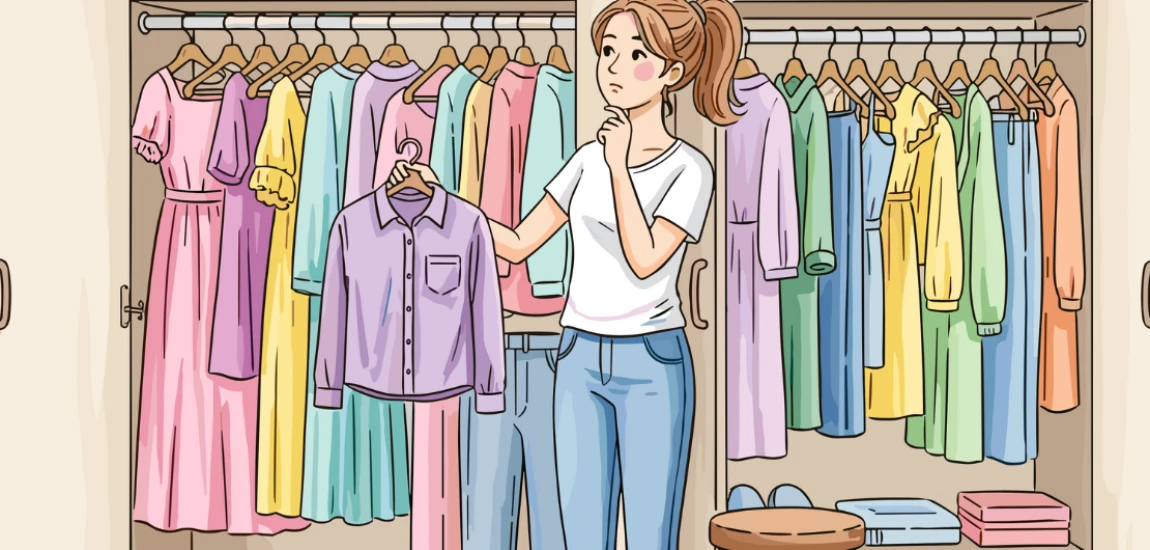
Modern users like to believe they are in control. We scroll, click, select, customize, and decide—constantly. The digital world feels interactive and choice-rich. But beneath this surface lies a quieter, more powerful reality: many of the most important decisions are already made before users realize there were alternatives.
This is the logic of Pre-Decided Systems.
Pre-decided systems are technological environments where algorithms, defaults, and predictive models narrow options so effectively that users never encounter the full decision space. By the time a choice feels available, the system has already shaped what is visible, recommended, prioritized, or excluded.
This isn’t necessarily manipulation. In many cases, it’s optimization—designed to reduce cognitive load, prevent overwhelm, and improve efficiency. But it also raises profound questions about autonomy, agency, and how much of our daily life is guided without our conscious awareness.
From streaming platforms and navigation apps to finance tools and workplace software, pre-decided systems are everywhere. They don’t remove choice; they pre-frame it.
This article explores how pre-decided systems work, why they exist, and what their rise means for users, designers, and the future of decision-making.
What Pre-Decided Systems Actually Are

Decisions Without Deliberation
Pre-decided systems operate by anticipating needs and acting before users initiate a conscious choice. Instead of asking, “What would you like?” the system quietly assumes, “This is probably what you want.”
The decision still happens—but it happens invisibly.
Examples include auto-selected defaults, ranked recommendations, pre-filled forms, and algorithmically ordered options. Users engage with the output, not the underlying decision process.
The Difference Between Choice and Exposure
Choice is often confused with exposure. Users can only choose from what they see. Pre-decided systems control exposure by filtering possibilities before they reach awareness.
If an option is never shown, it is effectively nonexistent.
This makes pre-decision more powerful than persuasion—it shapes the boundaries of thought itself.
Why These Systems Feel So Natural
Pre-decided systems succeed because they align with human psychology. The brain prefers fewer options, lower effort, and familiar patterns. When systems reduce friction, users experience relief, not resistance.
Comfort replaces curiosity.
Why Technology Is Moving Toward Pre-Decided Models

Cognitive Overload as a Design Problem
Modern users face constant decision fatigue. Every notification, setting, and choice competes for attention. Technology companies recognized that too much choice reduces satisfaction and engagement.
Pre-decided systems emerge as a solution to overload.
By narrowing options, platforms protect users from exhaustion—even if users don’t consciously request this protection.
Speed as a Competitive Advantage
In digital environments, speed matters. Systems that deliver “good enough” decisions quickly outperform those that require deliberation. Pre-decided systems optimize for immediacy rather than exploration.
Faster decisions feel better in high-frequency environments.
Predictability Over Freedom
Freedom sounds appealing, but predictability feels safer. Pre-decided systems offer stable outcomes, consistent experiences, and reduced uncertainty. For many users, this tradeoff is desirable—even if it limits autonomy.
How Pre-Decided Systems Shape User Behavior

Defaults as Silent Directors
Defaults are one of the most powerful tools in pre-decided systems. Most users rarely change default settings, whether for privacy, subscriptions, or workflows. The default becomes the decision.
This shifts power from the user to the designer.
Ranking and Recommendation Bias
When systems rank options, users interpret the top results as better, safer, or more relevant. Rarely do they scroll endlessly or compare deeply. Ranking becomes guidance.
The system’s priorities become the user’s priorities.
Habit Formation Without Awareness
Pre-decided systems create habits by repeating the same choices automatically. Over time, users stop noticing the system’s role entirely. Behavior becomes routine, and routines feel natural.
Automation replaces intention.
Pre-Decided Systems vs Traditional Choice-Based Design

The Illusion of Infinite Choice
Traditional design celebrates exploration—menus, filters, customization. Pre-decided systems move in the opposite direction, offering fewer visible choices while maintaining the illusion of freedom.
Users feel empowered even as options shrink.
Reduced Friction, Reduced Reflection
Choice-based systems encourage reflection. Pre-decided systems encourage action. While this increases efficiency, it also reduces moments where users pause to reconsider preferences or values.
Efficiency can come at the cost of awareness.
From User Control to System Stewardship
Design responsibility shifts from enabling choice to stewarding outcomes. Designers decide what users should choose rather than what they can choose.
This changes the ethical landscape of technology design.
Where Pre-Decided Systems Appear in Everyday Life

Content, Media, and Entertainment
Streaming platforms decide what you watch next. News feeds decide what you see. Music apps decide what fits your mood. Discovery is no longer random—it’s predictive.
Taste is guided before it’s expressed.
Finance, Work, and Productivity Tools
Auto-saving, auto-investing, smart scheduling, and task prioritization all rely on pre-decided logic. These systems promise stability and reduced mental load, especially in high-stakes environments.
Fewer decisions feel safer when consequences are real.
Health, Travel, and Lifestyle Platforms
From route optimization to meal planning, systems increasingly decide what’s “best” based on data. Users opt in because they trust the system more than their own bandwidth.
Trust replaces choice.


Kate McCulley, the voice behind "Adventurous Kate," provides travel advice tailored for women. Her blog encourages safe and adventurous travel for female readers.
Kate McCulley

Prev Post

Next Post