
Next-Generation Neural Interface Systems and Brain–Computer Integration Frameworks
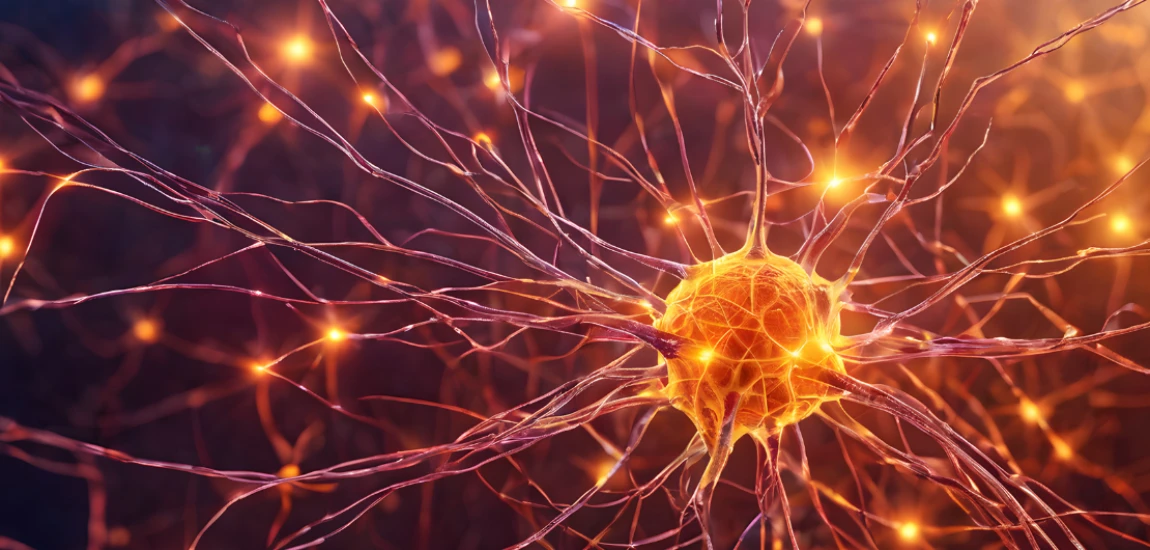
Human interaction with technology has evolved dramatically—from physical keyboards and touchscreens to voice assistants and gesture-based control systems. However, the next frontier in this evolution is far more transformative: direct communication between the human brain and machines. This is made possible through next-generation neural interface systems, which interpret brain activity and translate it into actionable digital commands.
Brain–computer integration frameworks are at the core of this revolution. They combine neuroscience, artificial intelligence, signal processing, and advanced hardware engineering to create seamless communication channels between neural activity and external systems. These technologies are no longer confined to science fiction; they are actively being developed and tested in medical, military, and consumer applications.
The implications are profound. Individuals could control devices using thought alone, restore mobility for paralyzed patients, or even enhance cognitive capabilities. At the same time, AI systems can learn from neural patterns to improve responsiveness and personalization.
As research accelerates, neural interface systems are expected to redefine how humans interact with digital environments. This blog explores how these systems work, their architecture, technologies, applications, benefits, challenges, and future possibilities shaping the next generation of human–machine integration.
Understanding Next-Generation Neural Interface Systems

Core Concept of Neural Interfaces
Next-generation neural interface systems are technologies that establish a direct communication pathway between the human brain and external devices. These systems capture neural signals, decode them using advanced algorithms, and translate them into digital commands that can control machines, software, or prosthetic devices.
At their core, these systems aim to bridge the gap between biological cognition and digital computation. By interpreting electrical activity in the brain, neural interfaces enable machines to understand human intent without physical interaction.
This capability represents a major leap forward in assistive technology, human augmentation, and immersive computing.
Types of Neural Interfaces
Neural interfaces are generally categorized into three types: invasive, semi-invasive, and non-invasive systems. Invasive interfaces involve implanted electrodes directly connected to brain tissue, offering high precision but requiring surgical procedures.
Semi-invasive systems are placed inside the skull but outside brain tissue, balancing accuracy and safety. Non-invasive systems, such as EEG-based devices, use external sensors to detect brain activity without surgery.
Each type has its advantages and limitations depending on use cases such as medical treatment, research, or consumer applications.
Role in Human Augmentation
Beyond medical applications, neural interfaces are increasingly being explored for human augmentation. This includes enhancing memory, improving focus, and enabling faster interaction with digital systems.
These advancements could redefine productivity and accessibility in the future.
Architecture of Brain–Computer Integration Frameworks

Neural Signal Acquisition Layer
The foundation of brain–computer integration lies in neural signal acquisition. This layer captures electrical activity from the brain using electrodes, sensors, or implantable devices.
These signals represent neuronal communication patterns that reflect thoughts, intentions, and motor commands. The quality of signal acquisition is critical for system accuracy.
Signal Processing and AI Decoding Layer
Once neural signals are captured, they must be processed and interpreted. AI algorithms, particularly deep learning models, analyze these signals to identify patterns and convert them into meaningful commands.
This layer filters noise, enhances signal clarity, and decodes complex neural activity into structured data.
Output and Feedback Integration Layer
The final layer translates decoded signals into actions within external systems. This may include controlling robotic limbs, navigating software interfaces, or interacting with virtual environments.
Feedback mechanisms allow the system to learn from user responses and improve accuracy over time.
Key Technologies Powering Neural Interface Systems

Neuroscience and Brain Mapping Techniques
Modern neural interfaces rely heavily on neuroscience research to understand how different regions of the brain function. Brain mapping techniques help identify areas responsible for movement, speech, and cognition.
This knowledge is essential for designing accurate decoding systems.
Artificial Intelligence and Machine Learning Models
AI plays a central role in interpreting neural signals. Machine learning models are trained to recognize patterns in brain activity and predict user intent.
These models continuously improve through adaptive learning.
Advanced Sensor and Neuroimaging Technologies
High-precision sensors such as EEG, MEG, and implantable microelectrodes are used to capture neural activity. Neuroimaging technologies provide additional insights into brain function.
Together, these tools enable real-time brain–machine communication.
Applications of Brain–Computer Integration

Medical Rehabilitation and Assistive Devices
One of the most impactful applications is in healthcare. Neural interfaces are used to help paralyzed individuals control prosthetic limbs, communicate, and regain independence.
These systems restore functionality by bypassing damaged neural pathways.
Neurogaming and Immersive Virtual Reality
In entertainment, neural interfaces are being used to create immersive gaming experiences where players can control environments using thoughts.
This enhances interaction and realism in virtual environments.
Cognitive Enhancement and Research Applications
Researchers are exploring ways to enhance memory, learning speed, and cognitive performance using neural interfaces.
These applications could significantly impact education and productivity.


Gilbert Ott, the man behind "God Save the Points," specializes in travel deals and luxury travel. He provides expert advice on utilizing rewards and finding travel discounts.
Gilbert Ott
Prev Post

Next Post