
AI-Driven Healthcare Intelligence Platforms and Precision Medicine Ecosystems
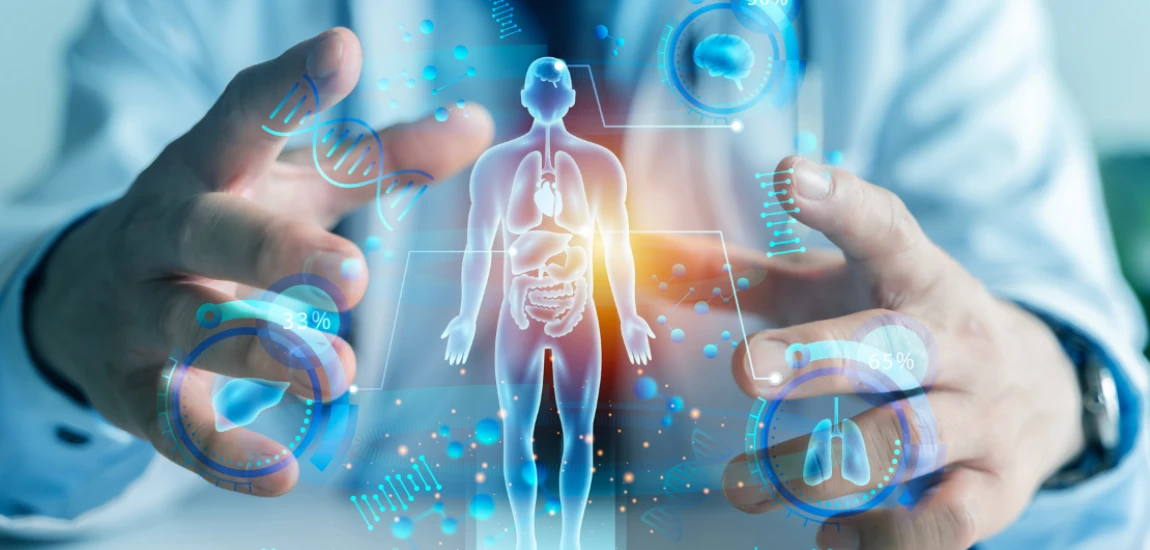
Healthcare is undergoing one of the most significant transformations in history, driven by artificial intelligence, big data, and advanced analytics. Traditional healthcare systems often rely on generalized treatment approaches, where patients with similar conditions receive similar treatments. However, this one-size-fits-all model is rapidly evolving into a more personalized and data-driven approach known as precision medicine.
At the core of this transformation are AI-driven healthcare intelligence platforms, which integrate vast amounts of medical data from electronic health records, genomic databases, wearable devices, imaging systems, and clinical research. These platforms analyze complex datasets to generate actionable insights that help doctors make more accurate diagnoses and develop personalized treatment plans.
Precision medicine ecosystems take this a step further by combining genetic information, lifestyle data, and environmental factors to create highly individualized healthcare strategies. Instead of treating diseases after they appear, these systems focus on prediction, prevention, and early intervention.
This shift is not only improving patient outcomes but also reducing healthcare costs and increasing efficiency across medical systems. In this blog, we explore how these platforms work, their architecture, enabling technologies, applications, benefits, challenges, and future trends shaping the next generation of intelligent healthcare.
Understanding AI-Driven Healthcare Intelligence Platforms

Core Concept of Healthcare Intelligence Systems
AI-driven healthcare intelligence platforms are advanced digital ecosystems designed to collect, analyze, and interpret large-scale medical data. These systems use artificial intelligence to transform raw healthcare information into meaningful insights that support clinical decision-making.
Unlike traditional systems that rely heavily on manual analysis, healthcare intelligence platforms automate data processing and continuously learn from new medical inputs. This enables them to improve diagnostic accuracy and treatment recommendations over time.
These platforms act as centralized intelligence hubs that integrate data from hospitals, laboratories, pharmacies, wearable devices, and research institutions.
Role of AI in Medical Data Interpretation
Artificial intelligence plays a critical role in interpreting complex medical data. Machine learning algorithms analyze patterns in patient records, imaging scans, and genetic profiles to identify potential health risks.
Natural language processing is also used to extract insights from clinical notes and medical literature. This allows healthcare providers to stay updated with the latest research and treatment protocols.
AI systems can detect early signs of diseases such as cancer, diabetes, and cardiovascular conditions, often before symptoms become visible.
From Reactive Care to Predictive Healthcare
Traditional healthcare is largely reactive, meaning treatment begins after a disease is diagnosed. AI-driven platforms shift this approach toward predictive healthcare, where risks are identified early and preventive measures are taken.
This proactive model improves patient outcomes and reduces long-term healthcare costs.
Architecture of Precision Medicine Ecosystems

Data Collection and Integration Layer
The foundation of precision medicine ecosystems lies in data collection. These systems gather information from multiple sources, including genomic sequencing, clinical records, wearable devices, and diagnostic imaging.
This data is integrated into a unified platform, ensuring that all relevant information about a patient is accessible in one place.
AI Analytics and Genomic Processing Layer
Once data is collected, AI algorithms analyze it to identify patterns and correlations. In precision medicine, genomic data plays a crucial role in understanding how individuals respond to different treatments.
Machine learning models process this genetic information alongside clinical data to recommend personalized treatment plans.
Personalized Treatment Recommendation Layer
The final layer focuses on delivering actionable insights to healthcare providers. This includes treatment recommendations, risk assessments, and predictive health models.
These insights help doctors design highly personalized care plans tailored to each patient’s unique biological profile.
Key Technologies Powering Healthcare Intelligence

Machine Learning and Predictive Analytics
Machine learning enables healthcare systems to analyze vast datasets and predict health outcomes. Predictive analytics helps identify patients at risk of developing chronic diseases.
These technologies are essential for early diagnosis and preventive care.
Genomics and Bioinformatics Integration
Genomics plays a central role in precision medicine. Bioinformatics tools analyze genetic data to understand disease susceptibility and drug response.
This allows for highly personalized treatment strategies.
Cloud Computing and Big Data Infrastructure
Cloud computing provides the scalability needed to store and process massive healthcare datasets. Big data platforms enable real-time analytics and collaboration across institutions.
This ensures seamless access to critical medical information.
Applications in Modern Healthcare

Personalized Treatment and Drug Development
AI-driven platforms enable personalized treatment plans based on individual genetic profiles. They also accelerate drug discovery by analyzing molecular structures and predicting drug interactions.
This reduces development time and improves treatment effectiveness.
Medical Imaging and Diagnostic Accuracy
AI enhances medical imaging by analyzing X-rays, MRIs, and CT scans with high precision. It helps detect abnormalities that may be missed by human analysis.
This improves diagnostic accuracy and speeds up treatment decisions.
Remote Patient Monitoring and Telemedicine
Wearable devices and IoT sensors enable continuous patient monitoring. AI systems analyze this data to detect health changes in real time.
This supports remote healthcare delivery and improves patient engagement.


Operating "The Blonde Abroad," Kiersten Rich specializes in solo female travel. Her blog provides destination guides, packing tips, and travel resources.
Kiersten Rich

Prev Post

Next Post