
Neuromorphic Space Robotics Systems and Self-Adaptive Interplanetary Exploration Architectures
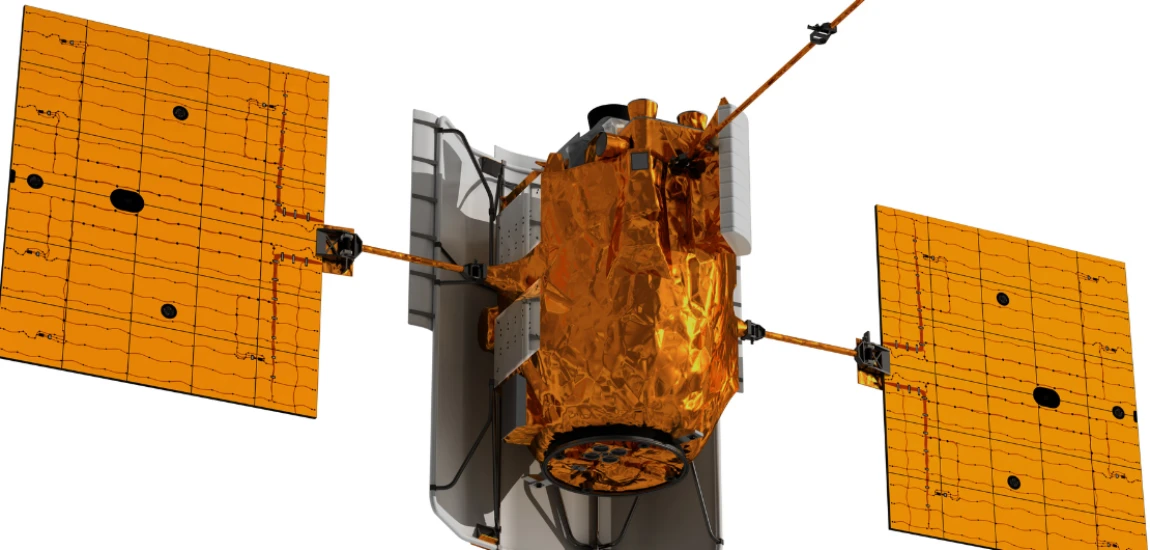
Space exploration is entering a new era driven by artificial intelligence, autonomous robotics, and adaptive computational technologies. Traditional robotic systems used in space missions often struggle with communication delays, unpredictable environments, and limited real-time decision-making capabilities. To overcome these challenges, researchers are developing neuromorphic space robotics systems that mimic the structure and processing behavior of the human brain.
Neuromorphic computing combines neuroscience principles with advanced AI architectures to create intelligent systems capable of learning, adapting, and making decisions independently. When integrated into space robotics, these technologies allow spacecraft, rovers, and autonomous exploration units to operate more efficiently in complex extraterrestrial environments.
Self-adaptive interplanetary exploration architectures further enhance these capabilities by enabling robotic systems to modify operational strategies dynamically based on environmental conditions and mission requirements. These intelligent exploration frameworks are expected to play a critical role in future missions to the Moon, Mars, asteroids, and deep-space destinations.
As global space agencies and private aerospace companies continue investing in autonomous exploration technologies, neuromorphic robotics is rapidly becoming one of the most promising innovations for sustainable interplanetary exploration and extraterrestrial infrastructure development.
Understanding Neuromorphic Space Robotics Systems

Neuromorphic space robotics systems are advanced autonomous machines designed to process information using brain-inspired computational models. These systems emulate neural activity patterns to improve robotic intelligence, adaptability, and energy efficiency.
Integration of Neuroscience and Artificial Intelligence
Neuromorphic computing is inspired by the biological structure of the human brain. Unlike conventional processors that operate sequentially, neuromorphic chips use interconnected artificial neurons and synapses to process information in parallel.
This architecture enables robotic systems to recognize patterns, learn from experience, and make decisions in real time with lower power consumption. In space exploration, these capabilities are extremely valuable because robotic systems must often operate independently in distant environments where communication with Earth is delayed.
Artificial intelligence algorithms further enhance neuromorphic systems by enabling predictive analysis, environmental interpretation, and autonomous mission planning.
Brain-Inspired Robotic Decision-Making
Traditional robotic systems rely heavily on predefined instructions and centralized computing. Neuromorphic robots, however, can adapt their behavior dynamically based on sensory input and environmental conditions.
For example, a neuromorphic Mars rover may detect unstable terrain and modify its navigation route automatically without waiting for instructions from mission control. This adaptive intelligence improves operational efficiency and reduces mission risks.
Brain-inspired decision-making also enhances robotic resilience during unexpected situations such as dust storms, mechanical obstacles, or communication disruptions.
Energy-Efficient Computational Architectures
Energy efficiency is a major concern in space missions because spacecraft and robotic systems have limited power resources. Neuromorphic processors consume significantly less energy compared to conventional AI hardware while maintaining advanced computational capabilities.
These low-power architectures extend mission duration and improve the operational sustainability of autonomous exploration systems. Efficient energy usage is especially important for long-term missions to distant planets and deep-space regions.
Neuromorphic computing therefore represents a major advancement in sustainable space robotics design.
Self-Adaptive Interplanetary Exploration Architectures

Self-adaptive exploration architectures are intelligent mission frameworks capable of modifying operational strategies autonomously in response to changing mission conditions and extraterrestrial environments.
Autonomous Mission Planning Systems
Interplanetary missions involve highly unpredictable environments where pre-programmed instructions may not always be sufficient. Autonomous mission planning systems use AI-driven analytics and neuromorphic processing to generate adaptive operational strategies in real time.
These systems analyze environmental data, mission objectives, equipment status, and resource availability to optimize exploration activities continuously.
Autonomous planning significantly reduces dependence on Earth-based mission control and improves exploration efficiency in remote space environments.
Adaptive Navigation and Terrain Analysis
Planetary surfaces such as Mars and the Moon contain challenging terrain features including craters, rocks, steep slopes, and dust-covered landscapes.
Neuromorphic robotics systems use advanced sensors, computer vision technologies, and adaptive navigation algorithms to interpret terrain conditions dynamically. AI-powered exploration units can avoid hazards, identify scientifically valuable regions, and optimize movement routes automatically.
Adaptive terrain analysis improves mobility performance and increases the safety of robotic exploration operations.
Real-Time Environmental Learning
One of the most important advantages of self-adaptive architectures is the ability to learn from environmental interactions continuously.
Neuromorphic robots can analyze atmospheric conditions, radiation levels, geological structures, and temperature variations while updating operational behaviors accordingly. This continuous learning capability enables more intelligent and efficient mission execution.
Real-time environmental learning also helps robotic systems respond effectively to previously unknown extraterrestrial conditions.
Applications of Neuromorphic Robotics in Space Exploration

Neuromorphic robotics technologies are being applied across various space exploration missions to improve autonomy, efficiency, and scientific discovery.
Planetary Surface Exploration
Autonomous rovers equipped with neuromorphic processors can explore planetary surfaces more independently than traditional robotic systems.
These intelligent robots analyze terrain conditions, collect geological samples, and identify scientifically important targets without constant human supervision. AI-driven exploration frameworks also enable faster response times during dynamic environmental situations.
Future missions to Mars, Europa, and Titan may rely heavily on neuromorphic robotic explorers for detailed environmental analysis and resource detection.
Deep-Space Autonomous Missions
Deep-space missions experience significant communication delays due to vast interplanetary distances. Neuromorphic systems reduce reliance on Earth-based control by enabling spacecraft to make decisions autonomously.
Autonomous spacecraft can optimize navigation routes, manage onboard systems, and respond to technical issues independently during long-duration missions.
These capabilities are critical for future exploration programs targeting distant asteroids, outer planets, and interstellar environments.
Extraterrestrial Infrastructure Development
Neuromorphic robotics systems may also support the construction of extraterrestrial infrastructure such as habitats, energy facilities, mining operations, and transportation networks.
Autonomous robotic builders can adapt to local environmental conditions and collaborate through swarm intelligence frameworks to complete construction tasks efficiently.
These technologies are expected to play a central role in establishing sustainable human settlements beyond Earth.
Benefits of AI-Driven Adaptive Space Robotics

AI-powered neuromorphic exploration systems provide substantial operational, scientific, and economic benefits for space agencies and commercial aerospace organizations.
Improved Mission Reliability and Safety
Autonomous adaptive systems reduce the risk of mission failure by enabling robotic units to respond quickly to unexpected conditions.
Neuromorphic processors support rapid environmental analysis and autonomous problem-solving capabilities, improving overall system reliability. These technologies also minimize human exposure to dangerous extraterrestrial environments.
Improved reliability increases the success rate of costly interplanetary exploration missions.
Faster Scientific Discovery
Neuromorphic robotics accelerates scientific research by enabling autonomous identification and analysis of geological formations, atmospheric phenomena, and potential biosignatures.
AI-driven systems process scientific data locally in real time, reducing delays associated with transmitting raw information back to Earth for analysis.
This rapid decision-making capability significantly improves exploration efficiency and research productivity.
Reduced Operational Costs
Autonomous robotics reduces the need for extensive human supervision and large mission control teams. Energy-efficient neuromorphic processors also lower power consumption and extend equipment lifespan.
These efficiencies contribute to lower operational costs and improved mission sustainability for both government and private space programs.
Cost-effective exploration technologies are essential for expanding future interplanetary exploration initiatives.


Known as "Nomadic Matt," Matthew Kepnes offers practical travel advice with a focus on budget backpacking. His blog aims to help people travel cheaper and longer.
Matthew Kepnes

Prev Post

Next Post