
Neuromorphic Intelligence Systems and Brain-Inspired Adaptive Computing Networks
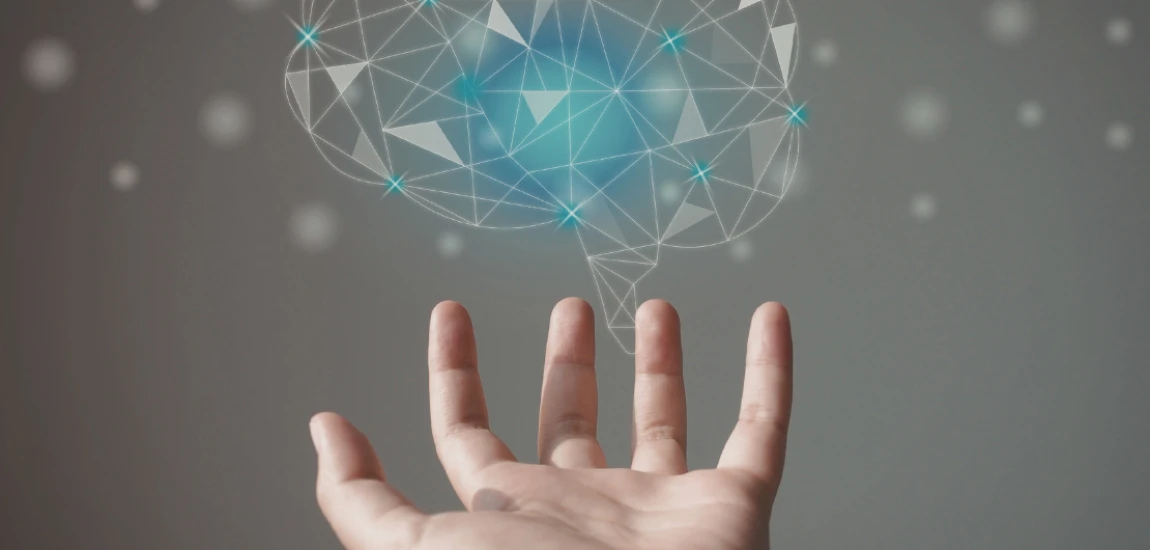
Neuromorphic intelligence systems are redefining how machines process information by mimicking the structure and functionality of the human brain. Unlike traditional computing systems that rely on linear processing and rigid architectures, brain-inspired adaptive computing networks are designed to learn, adapt, and evolve in real time. These systems are built on principles of neuroscience, enabling them to process information in a more efficient, flexible, and energy-conscious manner. As artificial intelligence continues to evolve, neuromorphic computing is emerging as a powerful paradigm that bridges the gap between biological intelligence and machine learning, opening new possibilities across industries.
Understanding Neuromorphic Intelligence Systems

What Is Neuromorphic Computing
Neuromorphic intelligence systems are computing architectures designed to emulate the neural structure of the human brain. They use artificial neurons and synapses to process and transmit information, closely resembling biological neural networks. Unlike conventional systems that separate memory and processing units, neuromorphic systems integrate both, enabling faster and more efficient data processing. This design allows machines to handle complex tasks such as pattern recognition, sensory processing, and decision-making with remarkable efficiency.
These systems are particularly valuable in scenarios where real-time learning and adaptation are required. By leveraging event-driven processing, neuromorphic systems only consume energy when active, making them significantly more energy-efficient than traditional computing models. This makes them ideal for applications such as edge computing, robotics, and IoT devices.
Inspiration from the Human Brain
The human brain is an incredibly efficient system capable of processing vast amounts of information simultaneously while consuming minimal energy. Neuromorphic intelligence systems draw inspiration from this biological efficiency. They replicate key features such as parallel processing, synaptic plasticity, and distributed memory. This allows them to adapt to new information and learn from experience without requiring constant reprogramming.
By mimicking brain functions, these systems can perform tasks like image recognition, speech processing, and autonomous decision-making more naturally. This approach also reduces the need for large datasets, as neuromorphic systems can learn incrementally, much like humans.
Importance in Modern AI
Neuromorphic intelligence systems represent a significant shift in artificial intelligence development. They enable more efficient learning models, reduce computational costs, and improve scalability. As AI applications become more complex, traditional computing architectures struggle to keep up with the demand for speed and efficiency. Neuromorphic systems address these challenges by offering a more adaptive and scalable solution.
Brain-Inspired Adaptive Computing Networks

Structure of Adaptive Networks
Brain-inspired adaptive computing networks are designed to replicate the interconnected structure of biological neural networks. These systems consist of nodes (neurons) and connections (synapses) that work together to process information. Unlike static networks, adaptive networks can modify their structure and behavior based on incoming data, allowing them to learn and evolve over time.
This adaptability is crucial for handling dynamic environments where conditions change frequently. For example, autonomous vehicles rely on adaptive networks to interpret real-time data and make split-second decisions.
Learning and Adaptation Mechanisms
One of the key features of these networks is their ability to learn through experience. They use mechanisms such as spike-timing-dependent plasticity (STDP) to adjust synaptic weights based on activity patterns. This enables the system to strengthen or weaken connections, improving its performance over time.
This learning process is more efficient than traditional machine learning models, which often require extensive training and large datasets. Adaptive networks can learn continuously, making them ideal for applications that require real-time updates.
Benefits of Brain-Inspired Design
Brain-inspired adaptive computing networks offer several advantages, including energy efficiency, scalability, and robustness. They can handle noisy or incomplete data more effectively, making them suitable for real-world applications. Additionally, their ability to learn incrementally reduces the need for retraining, saving time and resources.
Key Components of Neuromorphic Systems

Artificial Neurons and Synapses
Artificial neurons and synapses are the building blocks of neuromorphic systems. Neurons process information, while synapses control the strength of connections between neurons. These components work together to create a network capable of complex computations.
The design of artificial neurons is inspired by biological neurons, incorporating features such as threshold activation and signal propagation. Synapses, on the other hand, are designed to be adaptive, allowing the system to learn and evolve.
Event-Driven Processing
Neuromorphic systems use event-driven processing, meaning they only perform computations when triggered by specific events. This approach significantly reduces energy consumption compared to traditional systems, which continuously process data regardless of activity.
Event-driven processing also enables faster response times, making neuromorphic systems ideal for real-time applications such as robotics and autonomous systems.
Hardware Innovations
Advancements in neuromorphic hardware have played a crucial role in the development of these systems. Specialized chips are designed to support parallel processing and adaptive learning. These innovations are making neuromorphic computing more accessible and practical for real-world applications.
Applications of Neuromorphic Intelligence Systems

Robotics and Autonomous Systems
Neuromorphic intelligence systems are transforming robotics by enabling machines to perceive and interact with their environment more effectively. These systems allow robots to process sensory data in real time, improving their ability to navigate and perform tasks.
Autonomous systems, such as self-driving cars, benefit from the adaptability and efficiency of neuromorphic computing. These systems can analyze complex data streams and make decisions بسرعة and accurately.
Healthcare and Medical Diagnostics
In healthcare, neuromorphic systems are being used to improve diagnostics and patient care. They can analyze medical data, detect patterns, and assist in early diagnosis of diseases. This leads to better treatment outcomes and more efficient healthcare systems.
Additionally, neuromorphic computing is being used in brain-computer interfaces, enabling direct communication between the human brain and machines.
Edge Computing and IoT
Neuromorphic systems are ideal for edge computing and IoT applications due to their low power consumption and real-time processing capabilities. They enable devices to process data locally, reducing latency and improving performance.
This is particularly important for applications such as smart cities, where large amounts of data need to be processed بسرعة and efficiently.
Challenges and Limitations

Complexity of Design
Designing neuromorphic systems is a complex task that requires expertise in both neuroscience and computer engineering. Creating accurate models of biological neural networks is challenging, and even small errors can impact system performance.
Limited Standardization
The lack of standardization in neuromorphic computing makes it difficult for organizations to adopt these systems. Different architectures and frameworks can lead to compatibility issues, slowing down development and implementation.
Scalability Issues
While neuromorphic systems are highly efficient, scaling them to handle large-scale applications remains a challenge. Researchers are working to develop solutions that can support larger networks without compromising performance.


Gary Arndt operates "Everything Everywhere," a blog focusing on worldwide travel. An award-winning photographer, Gary shares stunning visuals alongside his travel tales.
Gary Arndt
Prev Post

Next Post