
Neuromorphic Industrial Automation Systems and Self-Adaptive Manufacturing Intelligence Frameworks
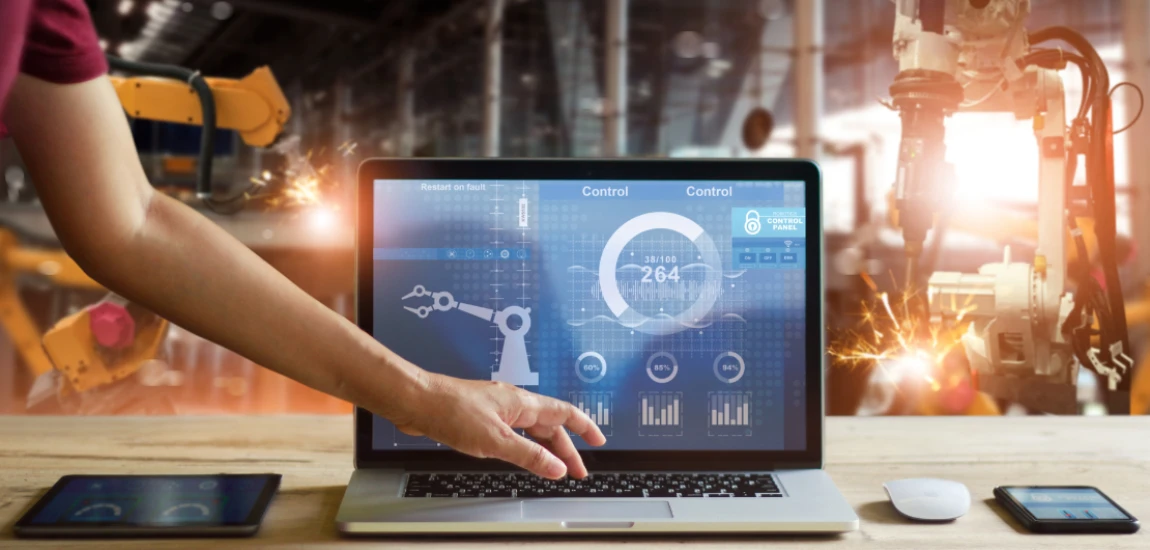
The manufacturing industry is rapidly evolving through artificial intelligence, robotics, edge computing, and intelligent automation technologies. Traditional industrial systems are no longer sufficient for handling the growing complexity of global production networks, supply chain challenges, and real-time operational demands. As industries move toward Industry 4.0 and smart manufacturing ecosystems, neuromorphic industrial automation systems and self-adaptive manufacturing intelligence frameworks are becoming critical technological innovations.
Neuromorphic computing is inspired by the structure and functionality of the human brain. Unlike traditional computing systems that process information sequentially, neuromorphic architectures use neural networks and event-driven processing methods to enable faster, more energy-efficient decision-making. These capabilities are highly valuable for industrial automation, where machines must react instantly to changing operational conditions.
Self-adaptive manufacturing intelligence frameworks combine AI algorithms, machine learning, IoT devices, robotics, and predictive analytics to create factories capable of learning, adapting, and optimizing themselves in real time. These intelligent systems improve productivity, reduce downtime, enhance product quality, and support sustainable manufacturing operations.
As industrial competition increases worldwide, manufacturers are investing heavily in intelligent automation technologies to build more resilient, efficient, and adaptive production environments.
Understanding Neuromorphic Industrial Automation Systems

Brain-Inspired Computing Architectures
Neuromorphic industrial automation systems are designed using principles inspired by biological neural networks. These systems mimic how the human brain processes information, learns from experiences, and reacts to environmental changes rapidly.
Traditional industrial computers rely on centralized processing architectures that often consume significant energy and processing resources. Neuromorphic systems use decentralized neural structures capable of handling parallel data processing much more efficiently.
This brain-inspired computing approach allows industrial machines to respond instantly to sensor inputs, equipment conditions, and operational changes without relying heavily on cloud-based processing.
Neuromorphic chips and processors are becoming increasingly important for smart robotics, automated quality control, predictive maintenance, and real-time industrial analytics.
Event-Driven Industrial Intelligence
One of the most important characteristics of neuromorphic systems is event-driven processing. Instead of continuously consuming power and processing unnecessary information, neuromorphic systems activate only when specific events occur.
In industrial environments, this allows automation systems to monitor machinery, detect anomalies, and respond to operational changes with exceptional efficiency.
For example, neuromorphic manufacturing systems can identify equipment vibrations, temperature fluctuations, or production defects instantly while minimizing energy consumption.
This event-based intelligence improves manufacturing responsiveness and enables highly efficient industrial automation systems capable of operating in real-time production environments.
Integration with Smart Factory Infrastructure
Neuromorphic automation technologies are increasingly integrated into modern smart factories. These systems work alongside IoT devices, industrial sensors, robotic systems, and AI-driven analytics platforms.
Connected manufacturing environments generate enormous amounts of operational data every second. Neuromorphic systems process this information locally and rapidly, reducing communication delays and improving decision-making accuracy.
This integration supports autonomous manufacturing operations where machines can adapt production schedules, optimize workflows, and detect inefficiencies without requiring constant human supervision.
Smart factory ecosystems powered by neuromorphic intelligence are reshaping industrial productivity and operational flexibility worldwide.
Core Technologies Behind Self-Adaptive Manufacturing Intelligence Frameworks

Artificial Intelligence and Machine Learning
Artificial intelligence and machine learning are the foundation of self-adaptive manufacturing systems. These technologies allow industrial systems to learn from operational data, improve performance continuously, and adapt to changing manufacturing conditions.
Machine learning models analyze production efficiency, equipment behavior, energy usage, and quality control data to identify optimization opportunities.
AI-powered manufacturing intelligence systems can automatically adjust machine settings, optimize supply chain operations, and improve production planning based on real-time factory conditions.
As manufacturing environments become more complex, adaptive AI systems are becoming essential for maintaining operational efficiency and competitiveness.
Industrial IoT and Sensor Networks
Industrial Internet of Things technology enables manufacturing systems to collect and exchange real-time operational data across connected devices and machinery.
Smart sensors monitor equipment temperature, vibration, pressure, speed, humidity, and other critical industrial variables continuously.
Neuromorphic AI systems process sensor data instantly to detect abnormalities, predict equipment failures, and optimize manufacturing workflows.
IoT-based industrial intelligence frameworks improve visibility across production lines and enable more accurate operational decision-making.
The combination of IoT and adaptive AI technologies is accelerating the development of highly intelligent manufacturing ecosystems.
Edge Computing and Real-Time Processing
Modern manufacturing systems require ultra-fast data processing capabilities to support real-time industrial operations. Edge computing plays a major role in enabling this functionality.
Instead of sending all operational data to centralized cloud servers, edge computing systems process information directly at the factory floor level.
Neuromorphic processors combined with edge computing architectures enable faster automation responses, lower latency, and improved production reliability.
Real-time processing capabilities are especially important for robotics, autonomous machinery, and safety-critical industrial applications.
Benefits of Neuromorphic Industrial Automation Systems

Enhanced Manufacturing Efficiency
One of the biggest advantages of neuromorphic industrial automation systems is improved manufacturing efficiency. Brain-inspired AI architectures process industrial data faster while consuming less power than traditional computing systems.
Self-adaptive manufacturing frameworks continuously optimize production workflows, reduce idle machine time, and improve resource allocation automatically.
AI-powered production optimization also minimizes bottlenecks and improves overall equipment effectiveness across manufacturing facilities.
These intelligent systems enable manufacturers to produce goods faster, more accurately, and at lower operational costs.
Predictive Maintenance and Reduced Downtime
Unexpected equipment failures can cause major production disruptions and financial losses. Neuromorphic AI systems help prevent these problems through predictive maintenance capabilities.
Machine learning algorithms analyze equipment behavior patterns to identify early warning signs of mechanical wear, overheating, or system failures.
Predictive maintenance systems allow manufacturers to schedule repairs proactively before breakdowns occur.
Reducing downtime improves production continuity, lowers maintenance expenses, and extends equipment lifespan significantly.
Energy Efficiency and Sustainability
Industrial facilities consume enormous amounts of energy globally. Neuromorphic computing systems improve energy efficiency by reducing unnecessary data processing and optimizing operational performance.
Event-driven AI architectures consume power only when needed, lowering overall energy usage in manufacturing environments.
Self-adaptive manufacturing systems also optimize energy distribution, reduce material waste, and improve environmental sustainability.
As industries face stricter environmental regulations, energy-efficient automation technologies are becoming increasingly valuable.
Challenges Facing Intelligent Manufacturing Frameworks

High Implementation Costs
Although neuromorphic automation systems offer long-term operational benefits, implementation costs can be significant. Smart sensors, AI platforms, robotics infrastructure, and neuromorphic processors require major investments.
Many smaller manufacturers may struggle with the financial demands of adopting advanced industrial intelligence systems.
Infrastructure modernization, workforce training, and cybersecurity upgrades also contribute to implementation expenses.
However, long-term gains in productivity, efficiency, and operational resilience often justify these investments over time.
Cybersecurity and Data Protection Risks
Connected manufacturing environments are increasingly vulnerable to cyberattacks and industrial espionage. Self-adaptive manufacturing systems rely heavily on interconnected devices, cloud platforms, and real-time data sharing.
Cybersecurity breaches could disrupt production lines, compromise intellectual property, or interfere with industrial control systems.
AI-driven cybersecurity solutions are being developed to detect anomalies, prevent unauthorized access, and protect industrial networks from cyber threats.
Strong security frameworks are essential for maintaining safe and reliable smart factory operations.
Workforce Adaptation and Skills Gaps
The transition toward intelligent manufacturing systems requires workers to develop new technical skills related to AI, robotics, data analytics, and automation management.
Many industries face challenges in training employees to operate and maintain advanced manufacturing technologies.
Educational institutions and industrial organizations are increasingly investing in workforce development programs focused on Industry 4.0 technologies.
Human expertise will continue playing an important role alongside intelligent automation systems.


Shivya Nath authors "The Shooting Star," a blog that covers responsible and off-the-beaten-path travel. She writes about sustainable tourism and community-based experiences.
Shivya Nath

Prev Post

Next Post