
Neuromorphic Healthcare Robotics Systems and Human-Assisted Surgical Intelligence Frameworks
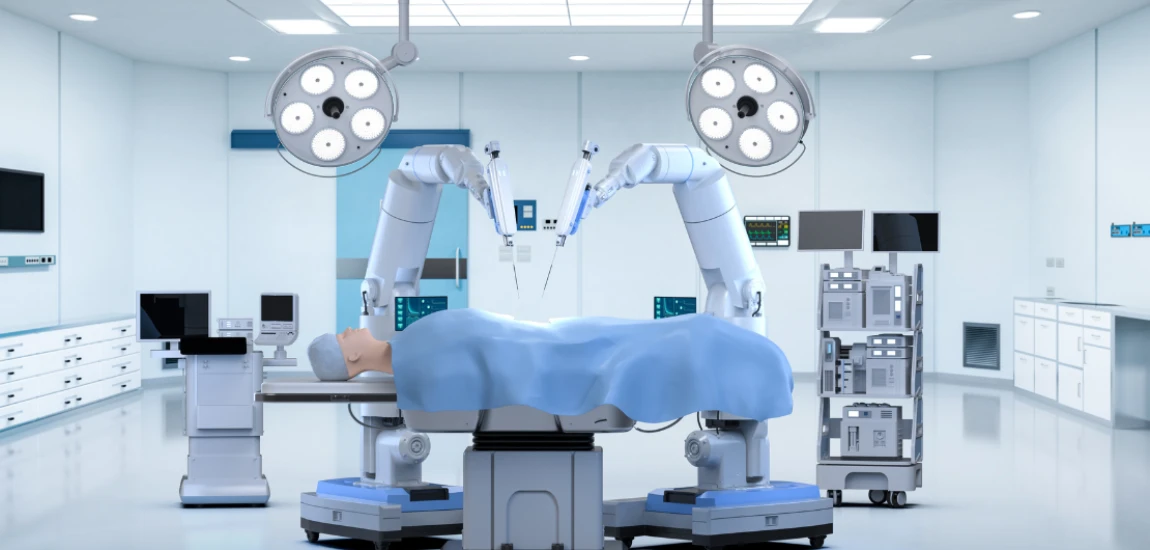
The healthcare industry is rapidly evolving with the integration of artificial intelligence, robotics, machine learning, and advanced computational systems. Modern hospitals and medical research institutions are increasingly adopting intelligent technologies to improve patient care, surgical precision, diagnostic accuracy, and operational efficiency. Among the most revolutionary innovations in this field are neuromorphic healthcare robotics systems and human-assisted surgical intelligence frameworks.
Neuromorphic computing is inspired by the structure and functionality of the human brain. Unlike traditional computing systems, neuromorphic architectures process information using neural networks and adaptive learning mechanisms that mimic biological intelligence. When combined with advanced robotics and AI-driven surgical systems, these technologies enable healthcare machines to make faster decisions, learn from medical data, and assist surgeons with unprecedented precision.
Human-assisted surgical intelligence frameworks integrate robotic systems, predictive analytics, computer vision, and real-time decision-support technologies to improve surgical outcomes and reduce medical risks. These intelligent systems can analyze patient conditions, guide surgeons during complex procedures, and automate repetitive clinical tasks.
As healthcare demands continue to rise globally, intelligent robotic systems are becoming essential for delivering high-quality, efficient, and personalized medical care. These advanced technologies are shaping the future of surgery, diagnostics, rehabilitation, and patient management across modern healthcare ecosystems.
Understanding Neuromorphic Healthcare Robotics Systems

Neuromorphic healthcare robotics systems are intelligent medical technologies designed to mimic human cognitive functions while performing healthcare-related tasks. These systems combine brain-inspired computing architectures with robotics and AI-powered learning capabilities.
Brain-Inspired Artificial Intelligence
Neuromorphic computing systems are modeled after biological neural networks found in the human brain. Instead of processing information sequentially like traditional computers, these systems process data simultaneously using interconnected artificial neurons.
This brain-inspired architecture allows healthcare robots to recognize patterns, adapt to changing conditions, and make intelligent decisions more efficiently. Neuromorphic AI systems consume less energy while delivering faster processing speeds for medical applications.
In healthcare environments, these technologies are used for diagnostic analysis, robotic surgery, patient monitoring, and medical image interpretation. Their adaptive learning capabilities enable continuous performance improvement over time.
Intelligent Robotic Assistance in Healthcare
Healthcare robotics systems are increasingly being used in hospitals, rehabilitation centers, laboratories, and surgical units. Intelligent robots can assist medical professionals by performing repetitive tasks, transporting supplies, monitoring patients, and supporting surgical procedures.
Neuromorphic robotic systems improve operational efficiency by responding dynamically to environmental conditions and human interactions. These systems can recognize speech, interpret gestures, and adapt their behavior based on patient needs.
Advanced robotic assistants also reduce the physical workload on healthcare workers and improve overall hospital productivity.
Adaptive Learning and Real-Time Decision-Making
One of the biggest advantages of neuromorphic systems is their ability to learn continuously from real-time data. These intelligent healthcare platforms analyze patient information, treatment outcomes, and clinical patterns to improve medical decision-making.
Machine learning algorithms integrated into neuromorphic architectures help robotic systems identify anomalies, predict complications, and recommend treatment adjustments.
Real-time adaptive learning enhances clinical accuracy and supports faster response times during emergency medical situations.
Human-Assisted Surgical Intelligence Frameworks

Human-assisted surgical intelligence frameworks combine the expertise of surgeons with the precision and computational power of AI-driven robotic systems. These frameworks are transforming surgical procedures through intelligent automation and enhanced decision support.
Robotic-Assisted Surgical Procedures
Robotic surgery systems enable surgeons to perform minimally invasive procedures with exceptional precision and control. AI-powered robotic arms can execute delicate movements that are difficult to achieve manually.
These systems improve surgical accuracy, reduce tissue damage, and minimize recovery times for patients. Surgeons control robotic instruments through advanced interfaces while receiving real-time visual and analytical feedback.
Robotic-assisted surgeries are increasingly used in cardiology, neurology, orthopedics, urology, and cancer treatment procedures.
AI-Based Surgical Planning and Guidance
Artificial intelligence plays a major role in preoperative planning and intraoperative guidance. AI-driven surgical intelligence systems analyze patient scans, medical histories, and anatomical structures to assist surgeons in developing optimized surgical strategies.
Computer vision technologies provide enhanced visualization during operations, helping surgeons navigate complex anatomical regions more safely.
Real-time AI guidance also reduces surgical errors and improves procedural consistency across healthcare facilities.
Predictive Analytics for Surgical Outcomes
Predictive analytics systems use patient data and historical medical records to forecast surgical risks and recovery outcomes. AI models evaluate factors such as age, medical conditions, vital signs, and treatment histories to identify potential complications.
These predictive insights help surgeons make more informed decisions before and during operations.
Improved surgical forecasting contributes to better patient safety, reduced hospital readmissions, and more personalized treatment plans.
Core Technologies Behind Intelligent Healthcare Robotics

Neuromorphic healthcare robotics systems rely on multiple advanced technologies that work together to support intelligent medical operations and patient care.
Machine Learning and Deep Neural Networks
Machine learning and deep neural networks are essential components of intelligent healthcare systems. These technologies analyze large medical datasets to identify disease patterns, treatment responses, and patient health trends.
Deep learning models can interpret medical images such as X-rays, MRIs, and CT scans with remarkable accuracy. These systems support faster diagnosis and improved clinical decision-making.
Continuous AI learning also enables robotic systems to improve their performance through ongoing medical experience and data analysis.
Computer Vision and Medical Imaging
Computer vision technologies allow healthcare robots to interpret visual information in real time. AI-powered imaging systems analyze surgical environments, detect anatomical structures, and guide robotic instruments accurately.
Medical imaging technologies improve surgical navigation and reduce procedural risks during complex operations.
Computer vision also supports automated diagnostics, pathology analysis, and remote patient monitoring applications.
IoT and Connected Healthcare Infrastructure
The Internet of Things (IoT) enables healthcare devices, robots, and monitoring systems to communicate and exchange data seamlessly.
Connected healthcare infrastructures improve patient monitoring, remote diagnostics, and hospital resource management. IoT-enabled robotic systems can access real-time patient data and coordinate with clinical information systems efficiently.
These interconnected technologies create smarter and more responsive healthcare environments.
Benefits of Neuromorphic Surgical Intelligence Systems

AI-driven healthcare robotics and surgical intelligence frameworks offer numerous advantages for patients, healthcare providers, and medical institutions.
Improved Surgical Precision and Accuracy
Neuromorphic robotic systems provide exceptional movement precision and stability during surgical procedures. AI-assisted surgical tools help minimize human error and improve procedural consistency.
Enhanced precision reduces complications, tissue damage, and postoperative pain for patients.
These technologies are especially valuable in microsurgery and highly complex medical procedures requiring extreme accuracy.
Faster Recovery and Reduced Hospital Stays
Minimally invasive robotic surgeries often result in smaller incisions, reduced blood loss, and faster recovery times. Patients experience less pain and lower infection risks compared to traditional surgical methods.
Shorter hospital stays improve patient satisfaction while reducing healthcare costs and hospital resource burdens.
AI-assisted recovery monitoring systems also help healthcare providers track patient progress more effectively.
Enhanced Healthcare Efficiency
Intelligent robotic systems automate repetitive clinical tasks, improving workflow efficiency and reducing staff workload. Hospitals can optimize resource allocation and improve patient management through AI-driven operational systems.
Automated healthcare technologies also support better coordination between medical teams and departments.
Improved efficiency enables healthcare providers to deliver faster and higher-quality care to larger patient populations.


Derek Baron, also known as "Wandering Earl," offers an authentic look at long-term travel. His blog contains travel stories, tips, and the realities of a nomadic lifestyle.
Derek Baron

Prev Post

Next Post