
Intelligent Renewable Energy Storage Systems and Adaptive Power Distribution Architectures
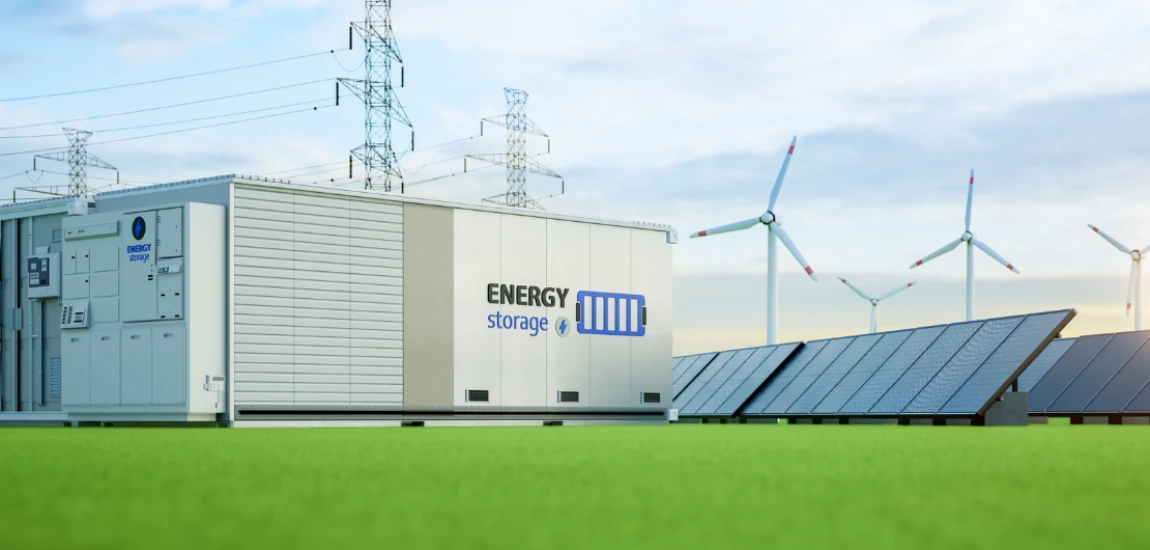
The global demand for clean and sustainable energy continues to rise as governments, industries, and consumers seek alternatives to fossil fuels. Renewable energy sources such as solar, wind, hydroelectric, and geothermal power are becoming increasingly important in the transition toward a low-carbon future. However, renewable energy generation is often unpredictable because it depends on environmental conditions like sunlight, wind speed, and weather patterns. This variability creates major challenges for energy storage and power distribution systems.
To address these issues, intelligent renewable energy storage systems and adaptive power distribution architectures are emerging as critical technologies for modern energy infrastructure. These advanced systems combine artificial intelligence, machine learning, smart batteries, Internet of Things (IoT) sensors, predictive analytics, and automated grid management technologies to improve energy reliability and efficiency.
Intelligent energy storage solutions can monitor energy production and consumption in real time, optimize battery performance, and distribute electricity dynamically based on demand fluctuations. Adaptive power distribution architectures help utilities balance energy loads, reduce outages, and improve renewable energy integration into national power grids.
As the world moves toward sustainable energy ecosystems, smart storage technologies and AI-driven distribution frameworks will play a central role in ensuring energy security, grid stability, and environmental sustainability.
Understanding Intelligent Renewable Energy Storage Systems

Intelligent renewable energy storage systems are advanced energy management solutions designed to store excess renewable electricity and distribute it efficiently when needed. These systems improve the reliability and flexibility of renewable energy infrastructures.
AI-Powered Battery Management Systems
Artificial intelligence is transforming battery management technologies by improving charging efficiency, battery lifespan, and energy optimization. AI-driven battery management systems continuously analyze temperature, voltage, charging cycles, and power demand to optimize energy storage operations.
Machine learning algorithms can predict battery degradation and recommend maintenance actions before failures occur. These predictive capabilities help reduce operational costs and improve system reliability.
AI-powered storage systems also enable faster charging and more efficient energy utilization across residential, commercial, and industrial applications.
Renewable Energy Storage Technologies
Modern renewable energy storage infrastructures use multiple technologies including lithium-ion batteries, solid-state batteries, hydrogen storage systems, thermal energy storage, and pumped hydroelectric storage.
Each storage technology offers unique advantages depending on energy demand, scalability, cost efficiency, and environmental conditions. Lithium-ion batteries are widely used for grid-scale storage and electric vehicles due to their high energy density and efficiency.
Emerging technologies such as hydrogen-based energy storage and solid-state batteries are expected to improve storage capacity, safety, and sustainability in the future.
Real-Time Energy Monitoring and Optimization
Intelligent energy systems use IoT sensors and cloud-based analytics platforms to monitor electricity generation, storage capacity, and power consumption continuously.
Real-time monitoring enables energy providers to balance supply and demand more accurately while minimizing power losses. Smart analytics systems can also forecast energy usage patterns and optimize storage operations automatically.
These intelligent monitoring frameworks support more stable and efficient renewable energy ecosystems.
Adaptive Power Distribution Architectures

Adaptive power distribution architectures are intelligent grid management systems designed to optimize electricity flow dynamically based on changing energy demand and renewable energy availability.
Smart Grid Technologies
Smart grids are modernized electricity networks that use digital communication systems, AI analytics, and automation technologies to improve power distribution efficiency.
Unlike traditional power grids, smart grids can detect outages, reroute electricity, and optimize energy flow in real time. These systems improve reliability while supporting large-scale renewable energy integration.
Smart grid infrastructures also enable two-way communication between utility providers and consumers, improving energy management transparency and operational control.
Dynamic Load Balancing Systems
Electricity demand changes continuously throughout the day depending on industrial activity, weather conditions, and consumer behavior. Adaptive load balancing systems distribute electricity intelligently to prevent overloads and maintain grid stability.
AI-powered energy management platforms analyze real-time consumption patterns and automatically adjust energy distribution based on demand fluctuations.
Dynamic load balancing reduces energy waste, minimizes blackouts, and improves overall grid efficiency.
Decentralized Energy Distribution Networks
Modern energy systems are increasingly moving toward decentralized distribution architectures where energy is generated and stored closer to consumers.
Distributed energy resources such as rooftop solar panels, community batteries, and local microgrids reduce dependence on centralized power plants and improve energy resilience.
Decentralized power systems also support faster disaster recovery and enhance energy accessibility in remote areas.
Core Technologies Behind Smart Energy Systems

Intelligent renewable energy infrastructures rely on several advanced technologies working together to optimize energy production, storage, and distribution.
Internet of Things and Smart Sensors
IoT devices and smart sensors are essential components of modern energy management systems. These sensors collect real-time data related to energy generation, battery performance, grid conditions, and power consumption.
Connected sensors transmit information to AI-powered analytics platforms that optimize energy distribution automatically. Real-time visibility improves operational efficiency and helps detect system anomalies quickly.
IoT-enabled infrastructures also support predictive maintenance and reduce equipment downtime.
Artificial Intelligence and Predictive Analytics
AI-driven predictive analytics systems help energy providers forecast electricity demand, renewable energy generation, and storage requirements accurately.
Machine learning models analyze historical weather data, consumption patterns, and grid performance metrics to improve energy planning and operational efficiency.
Predictive analytics also helps utilities prepare for peak demand periods and reduce operational risks.
Cloud Computing and Edge Energy Management
Cloud computing platforms provide scalable infrastructures for storing and analyzing large volumes of energy-related data. Edge computing technologies process information closer to energy sources and distribution nodes, reducing latency and improving responsiveness.
Cloud-edge integration enables faster decision-making and supports real-time energy optimization across distributed grid environments.
These intelligent computing frameworks are becoming increasingly important for large-scale renewable energy ecosystems.
Benefits of Intelligent Renewable Energy Systems

AI-driven renewable energy storage and adaptive power distribution systems offer major economic, environmental, and operational advantages.
Improved Energy Efficiency
One of the biggest advantages of intelligent energy systems is improved efficiency in energy generation, storage, and distribution. AI-powered optimization reduces energy losses and ensures electricity is delivered where it is needed most.
Smart storage technologies also minimize waste by storing excess renewable energy during low-demand periods and releasing it during peak usage times.
Improved efficiency helps lower operational costs and maximize renewable energy utilization.
Enhanced Grid Stability and Reliability
Renewable energy variability can create instability in traditional power grids. Intelligent storage systems stabilize electricity supply by balancing fluctuations in energy production and consumption.
Adaptive power distribution architectures respond quickly to outages and changing demand conditions, improving overall grid reliability.
Enhanced grid stability is especially important for supporting critical infrastructure such as hospitals, transportation systems, and communication networks.
Environmental Sustainability and Carbon Reduction
Renewable energy systems significantly reduce greenhouse gas emissions compared to fossil fuel-based electricity generation. Intelligent storage technologies improve renewable energy adoption by making clean energy more reliable and accessible.
Smart energy infrastructures also reduce dependence on carbon-intensive backup power systems and improve overall environmental sustainability.
These technologies play a vital role in achieving global climate goals and reducing environmental impact.


Anil Polat, behind the blog "FoxNomad," combines technology and travel. A computer security engineer by profession, he focuses on the tech aspects of travel.
Anil Polat

Prev Post
Next Post