
Neuromorphic Computing Systems and the Future of Brain-Inspired Artificial Intelligence
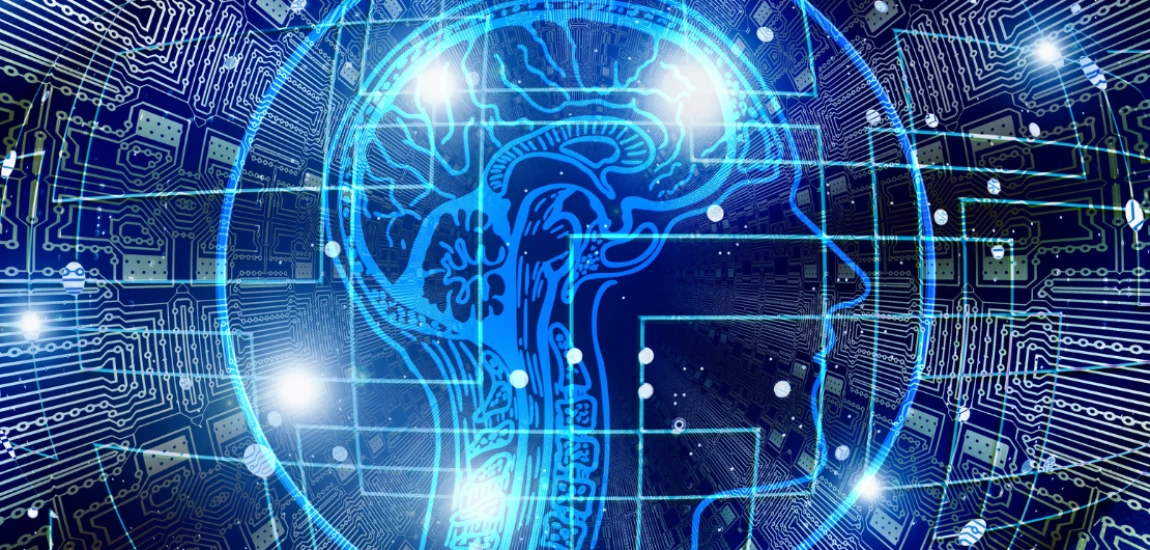
Artificial intelligence has experienced remarkable growth over the past decade, powering everything from virtual assistants and autonomous vehicles to advanced healthcare diagnostics and industrial automation. However, traditional computing architectures continue to face limitations in energy efficiency, scalability, and real-time learning. As AI systems become increasingly complex, researchers are looking toward nature for inspiration—specifically, the human brain.
Neuromorphic computing systems represent one of the most promising advancements in this field. By emulating the brain's neural structures and information-processing mechanisms, neuromorphic chips can perform sophisticated computations while consuming significantly less power than conventional processors. This innovative approach is expected to transform the future of brain-inspired artificial intelligence by enabling adaptive, intelligent, and highly efficient machines.
In this article, we will explore the principles, benefits, applications, challenges, and future potential of neuromorphic computing systems and their role in advancing next-generation AI technologies.
Understanding Neuromorphic Computing Systems

Brain-Inspired Computing Architecture
Neuromorphic computing systems are designed to mimic the biological neural networks found in the human brain. Unlike traditional computers that process information sequentially, neuromorphic systems utilize interconnected artificial neurons and synapses that communicate simultaneously through electrical impulses known as spikes.
This architecture allows computers to process vast amounts of information in parallel, much like the human brain. By replicating neural behavior, these systems can perform pattern recognition, decision-making, and sensory processing more naturally and efficiently.
How Neuromorphic Chips Work
Neuromorphic chips employ specialized hardware that imitates the communication patterns of biological neurons. These chips use event-driven processing, meaning computations occur only when necessary rather than continuously consuming power.
Artificial neurons transmit signals across synaptic connections, adapting their strength based on learning experiences. This capability enables neuromorphic processors to learn from data dynamically rather than relying solely on pre-programmed instructions.
The result is a computing platform capable of handling complex AI tasks with exceptional energy efficiency and responsiveness.
Difference Between Traditional and Neuromorphic Computing
Traditional computing systems are based on the Von Neumann architecture, where memory and processing units operate separately. This separation often creates bottlenecks that limit performance and increase energy consumption.
Neuromorphic computing eliminates many of these constraints by integrating memory and processing functions. Information is stored and processed within the same neural structures, enabling faster data transfer and reduced latency.
As AI applications continue to expand, neuromorphic architectures offer a compelling alternative to conventional computing models.
The Science Behind Brain-Inspired Artificial Intelligence

Mimicking Biological Neural Networks
Brain-inspired AI seeks to replicate how biological brains process information. The human brain contains billions of neurons connected through trillions of synapses, creating a highly adaptive and efficient network.
Neuromorphic systems emulate these structures to achieve intelligent behavior. Artificial neurons communicate using spike-based signals, enabling machines to recognize patterns, respond to environmental changes, and learn from experiences.
This approach allows AI systems to move beyond rigid programming and develop more flexible decision-making capabilities.
Spiking Neural Networks
One of the core technologies behind neuromorphic computing is the Spiking Neural Network (SNN). Unlike conventional neural networks that process information continuously, SNNs communicate through discrete spikes similar to biological neurons.
Spiking neural networks can process temporal information more effectively, making them ideal for applications involving speech recognition, robotics, and sensory processing.
These networks also consume significantly less energy because computations occur only when signals are generated, reducing unnecessary processing.
Adaptive Learning and Cognitive Functions
Neuromorphic systems can support adaptive learning mechanisms inspired by biological brains. Through synaptic plasticity, connections between artificial neurons strengthen or weaken based on experience.
This capability enables systems to learn continuously without requiring extensive retraining. As a result, brain-inspired AI can become more resilient, flexible, and capable of handling dynamic environments.
Researchers believe these adaptive learning mechanisms will play a crucial role in creating truly intelligent machines.
Advantages of Neuromorphic Computing Systems

Exceptional Energy Efficiency
One of the most significant benefits of neuromorphic computing systems is their ability to operate with extremely low power consumption. The human brain performs complex cognitive tasks while using only about 20 watts of energy.
Neuromorphic chips aim to replicate this efficiency by activating computations only when necessary. This event-driven processing dramatically reduces energy requirements compared to traditional AI hardware.
As organizations seek sustainable computing solutions, energy-efficient AI systems will become increasingly valuable.
Real-Time Data Processing
Neuromorphic architectures excel at processing data in real time. Their parallel processing capabilities allow them to analyze multiple streams of information simultaneously.
This feature is particularly useful in applications such as autonomous vehicles, smart sensors, and industrial automation, where rapid decision-making is essential.
Real-time processing enables AI systems to respond instantly to changing conditions, improving safety and operational performance.
Enhanced Scalability and Adaptability
Traditional AI models often require extensive computational resources as datasets grow larger. Neuromorphic systems offer greater scalability by distributing computations across interconnected neural networks.
Additionally, their adaptive learning capabilities allow them to adjust to new information without significant performance degradation.
This combination of scalability and adaptability makes neuromorphic computing a powerful foundation for future AI development.
Real-World Applications of Neuromorphic Computing

Autonomous Robotics
Neuromorphic computing is transforming the field of robotics by enabling machines to process sensory information more efficiently. Robots equipped with neuromorphic processors can interpret visual, auditory, and tactile inputs in real time.
This capability improves navigation, object recognition, and interaction with dynamic environments. As a result, robots become more autonomous and capable of performing complex tasks with minimal human intervention.
Future robotic systems may leverage neuromorphic intelligence to achieve unprecedented levels of adaptability and precision.
Healthcare and Medical Diagnostics
The healthcare sector is increasingly exploring neuromorphic AI for advanced diagnostics and patient monitoring. Brain-inspired systems can analyze medical images, detect anomalies, and identify disease patterns with remarkable efficiency.
Neuromorphic processors also support wearable health devices that continuously monitor physiological data while consuming minimal power.
These technologies have the potential to improve early disease detection, personalized treatment planning, and overall patient outcomes.
Smart Cities and Internet of Things
Smart city infrastructure relies heavily on real-time data processing from countless connected devices. Neuromorphic computing enables IoT sensors to analyze information locally rather than transmitting all data to centralized servers.
This approach reduces latency, lowers network congestion, and enhances privacy. Applications include traffic management, environmental monitoring, energy optimization, and public safety systems.
As urban environments become increasingly connected, neuromorphic computing will play a vital role in supporting intelligent city operations.


Known as "Nomadic Matt," Matthew Kepnes offers practical travel advice with a focus on budget backpacking. His blog aims to help people travel cheaper and longer.
Matthew Kepnes
Prev Post

Next Post