
Neuromorphic Computing Intelligence Systems: The Future of Brain-Inspired Architectures
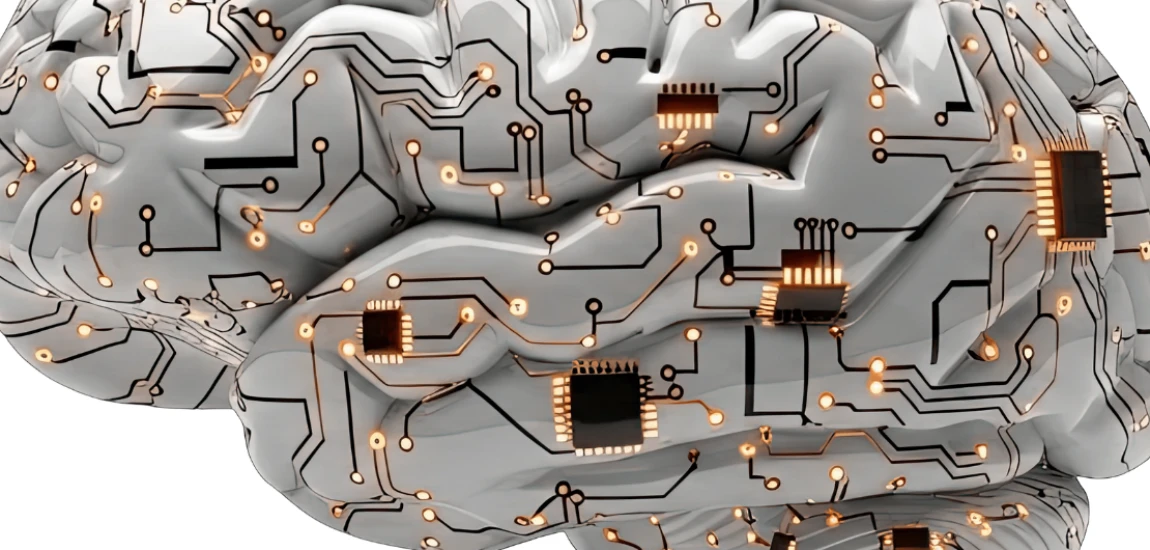
Neuromorphic computing intelligence systems are rapidly reshaping the landscape of artificial intelligence by introducing a revolutionary approach inspired by the human brain. Unlike traditional computing architectures that rely on linear, sequential processing, these advanced systems are designed to mimic the neural structures and cognitive processes found in biological brains. This shift allows for real-time data processing, adaptive learning, and significantly reduced energy consumption. As industries demand faster, smarter, and more efficient solutions, brain-inspired processing architectures are emerging as a critical innovation in fields such as robotics, healthcare, IoT, and autonomous systems. By integrating neuroscience principles with cutting-edge hardware and software technologies, neuromorphic computing is unlocking new possibilities for intelligent systems that can learn, evolve, and respond dynamically to complex environments, making it one of the most promising advancements in modern computing.
Understanding Neuromorphic Computing Intelligence Systems

What is Neuromorphic Computing?
Neuromorphic computing intelligence systems represent a paradigm shift in how machines process information. Instead of following the traditional von Neumann architecture, where memory and processing are separate, neuromorphic systems integrate these functions to mimic the structure of the human brain. This design enables more efficient data handling and reduces latency, which is crucial for real-time applications.
These systems rely heavily on the concept of spiking neural networks, where information is transmitted through discrete electrical pulses or “spikes.” This method closely resembles how biological neurons communicate, making the system more efficient and biologically plausible. As a result, neuromorphic computing allows machines to process sensory data such as images, sounds, and signals in a way that is closer to human perception.
Key Characteristics of Brain-Inspired Systems
Brain-inspired processing architectures are defined by several unique characteristics that set them apart from traditional computing systems. One of the most notable features is their event-driven nature. Unlike conventional systems that continuously process data, neuromorphic systems only activate when a change or event occurs, significantly reducing energy consumption.
Another defining trait is massive parallelism. These systems can process multiple streams of data simultaneously, enabling faster decision-making and improved performance. Additionally, they are inherently adaptive, meaning they can learn from new data and adjust their behavior without requiring extensive retraining.
Importance in Modern AI Development
The growing complexity of artificial intelligence applications has created a need for more efficient computing solutions. Neuromorphic computing intelligence systems address this demand by offering scalable, energy-efficient architectures that can handle large volumes of data in real time.
These systems are particularly important for edge computing, where devices must operate independently without relying on centralized cloud infrastructure. By enabling local data processing and real-time decision-making, neuromorphic computing is paving the way for more autonomous and intelligent systems.
Core Components of Brain-Inspired Processing Architectures

Artificial Neurons and Synapses
Artificial neurons and synapses form the building blocks of neuromorphic computing intelligence systems. These components are designed to replicate the behavior of biological neurons, allowing machines to process and transmit information in a highly efficient manner. Artificial neurons receive input signals, process them, and generate outputs, while synapses control the strength and connectivity between neurons.
This distributed approach to processing eliminates the need for a central processing unit, enabling faster and more resilient computation. It also allows systems to scale more effectively, as additional neurons and synapses can be integrated without significantly increasing complexity.
Spiking Neural Networks (SNNs)
Spiking neural networks are a cornerstone of brain-inspired processing architectures. Unlike traditional neural networks that rely on continuous values, SNNs use discrete spikes to transmit information. This approach not only reduces energy consumption but also improves the system’s ability to process temporal data.
SNNs are particularly effective in applications that require real-time analysis, such as speech recognition, image processing, and sensory data interpretation. Their ability to mimic biological processes makes them a powerful tool for developing more advanced AI systems.
Neuromorphic Hardware Platforms
Neuromorphic computing requires specialized hardware designed to support its unique architecture. These platforms integrate memory and processing capabilities, eliminating the bottlenecks associated with traditional systems. This integration allows for faster data access and improved overall performance.
Advanced neuromorphic chips are capable of handling complex computations while consuming minimal power. This makes them ideal for use in edge devices, where efficiency and performance are critical. As technology continues to evolve, these hardware platforms are expected to become more accessible and widely adopted.
Advantages of Neuromorphic Computing Intelligence Systems

Energy Efficiency and Sustainability
One of the most compelling advantages of neuromorphic computing intelligence systems is their energy efficiency. Traditional computing systems require significant power to perform complex computations, especially in large-scale data centers. In contrast, neuromorphic systems operate using an event-driven model, which means they only consume energy when processing active data.
This efficiency not only reduces operational costs but also contributes to environmental sustainability. As global energy demands continue to rise, adopting energy-efficient technologies like neuromorphic computing becomes increasingly important.
Real-Time Processing Capabilities
Neuromorphic systems excel in real-time data processing due to their parallel architecture. This capability allows them to analyze and respond to data instantly, making them ideal for time-sensitive applications such as autonomous vehicles and industrial automation.
By reducing latency and improving responsiveness, these systems enable faster decision-making and enhanced performance across various applications. This is particularly valuable in scenarios where delays can have significant consequences.
Adaptive Learning and Intelligence
Another key advantage is the ability of neuromorphic systems to learn and adapt over time. Unlike traditional AI models that require retraining with new data, these systems can continuously update their knowledge based on incoming information.
This adaptability makes them highly effective in dynamic environments, where conditions can change rapidly. Whether it’s monitoring environmental data or managing complex systems, neuromorphic computing intelligence systems provide a flexible and intelligent solution.
Real-World Applications of Neuromorphic Computing

Robotics and Autonomous Systems
Neuromorphic computing is playing a crucial role in advancing robotics and autonomous systems. By enabling machines to process sensory data more efficiently, these systems allow robots to navigate complex environments, recognize objects, and make decisions in real time.
This technology is particularly beneficial for autonomous vehicles, where rapid data processing is essential for safety and performance. Neuromorphic systems help improve reaction times and reduce the risk of errors.
Healthcare and Medical Innovations
In the healthcare sector, neuromorphic computing intelligence systems are being used to enhance diagnostics and patient monitoring. These systems can analyze large volumes of medical data in real time, enabling early detection of diseases and more accurate diagnoses.
They are also being used in the development of brain-computer interfaces, which allow direct communication between the human brain and machines. This has the potential to revolutionize treatments for neurological disorders and improve patient outcomes.
IoT and Smart Systems
The integration of neuromorphic computing with IoT devices is transforming the way smart systems operate. These systems can process data locally, reducing the need for cloud-based processing and minimizing latency.
This is particularly useful in applications such as smart homes, industrial automation, and environmental monitoring. By enabling real-time decision-making, neuromorphic systems enhance the efficiency and functionality of connected devices.


Known as "Nomadic Matt," Matthew Kepnes offers practical travel advice with a focus on budget backpacking. His blog aims to help people travel cheaper and longer.
Matthew Kepnes

Prev Post

Next Post