
Neuromorphic Computing Intelligence Systems and Brain-Inspired Adaptive Processing Architectures
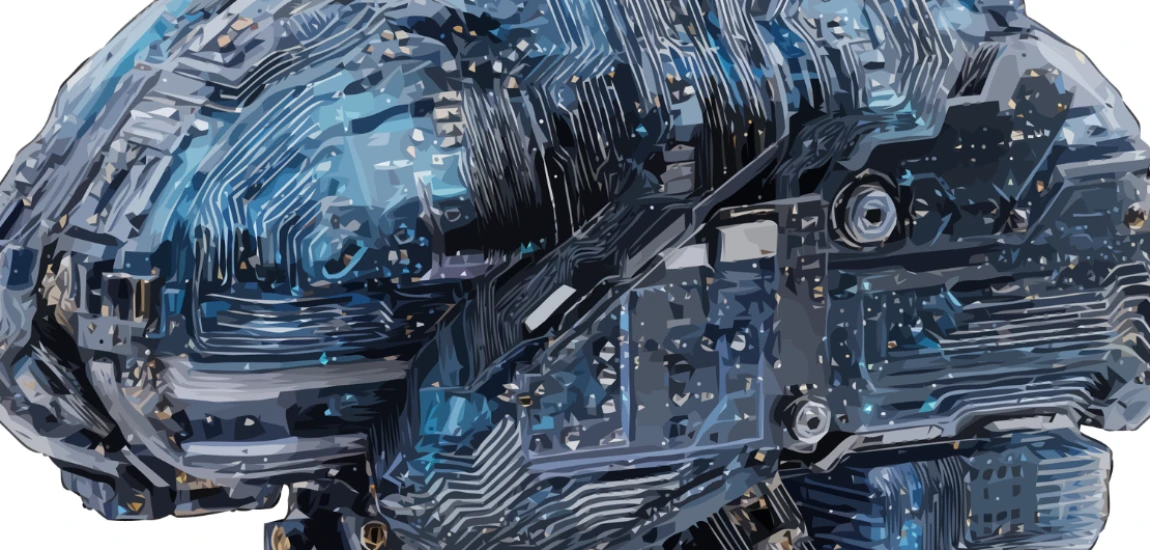
Neuromorphic computing intelligence systems represent a groundbreaking evolution in artificial intelligence, designed to emulate the structure and functionality of the human brain. Unlike traditional computing models that rely on linear processing and separated memory units, neuromorphic systems integrate processing and memory in a highly efficient, brain-inspired manner. This allows machines to process vast amounts of data in real time while consuming significantly less energy. By leveraging neural networks, synaptic plasticity, and event-driven architectures, these systems can learn, adapt, and evolve dynamically, making them ideal for complex, real-world applications. As industries demand faster, smarter, and more efficient computing solutions, brain-inspired adaptive processing architectures are emerging as a critical technology shaping the future of AI, robotics, healthcare, and beyond.
Core Principles of Brain-Inspired Adaptive Processing Architectures

Brain-inspired adaptive processing architectures rely on fundamental principles derived from biological intelligence, enabling machines to function in a more human-like manner. These systems focus on efficiency, adaptability, and real-time learning, making them highly suitable for complex environments where traditional systems fall short.
Event-Driven Processing
Unlike clock-based systems, neuromorphic architectures operate only when an event occurs. This reduces unnecessary computations and ensures optimal use of resources, making the system highly efficient.
Parallel Processing Capabilities
The human brain processes multiple streams of information simultaneously. Neuromorphic systems replicate this ability, allowing them to handle complex tasks faster and more effectively.
Synaptic Plasticity and Learning
Synaptic plasticity enables systems to adjust their connections based on experience. This allows neuromorphic systems to learn continuously and improve performance over time.
Neuromorphic Hardware: The Backbone of Intelligent Systems

Neuromorphic hardware forms the physical foundation of brain-inspired computing systems. These specialized chips are designed to mimic neural structures, enabling efficient data processing and low power consumption. Unlike conventional processors, neuromorphic chips are optimized for handling unstructured and real-time data.
Spiking Neural Network Hardware
Spiking neural networks (SNNs) use discrete spikes to transmit information, closely resembling biological neurons. This approach reduces computational overhead and enhances efficiency.
Energy-Efficient Chip Design
Neuromorphic chips consume significantly less energy compared to traditional processors, making them ideal for applications such as edge computing and IoT devices.
Real-World Hardware Innovations
Tech companies are actively developing neuromorphic chips that replicate brain functionality, paving the way for more advanced AI systems.
Software Frameworks for Neuromorphic Computing

Software plays a crucial role in enabling neuromorphic systems to function effectively. Specialized frameworks are required to design, simulate, and deploy neural models that operate on neuromorphic hardware.
Neural Modeling Tools
These tools allow developers to simulate neural networks and test system behavior before implementation, reducing development time and cost.
Programming Paradigms
Neuromorphic computing requires new programming approaches that differ from traditional coding methods, focusing on event-driven and parallel processing.
Integration with AI Ecosystems
Neuromorphic software can integrate with existing AI systems, enhancing their capabilities and enabling hybrid solutions.
Applications in Artificial Intelligence and Machine Learning

Neuromorphic computing is revolutionizing AI by enabling systems to learn and adapt more efficiently. These systems are particularly effective in applications requiring real-time processing and decision-making.
Real-Time Data Processing
Neuromorphic systems process data instantly, making them ideal for time-sensitive applications such as autonomous vehicles and surveillance systems.
Adaptive Learning Systems
These systems can learn from experience, improving their performance over time without requiring constant retraining.
Advanced Pattern Recognition
Neuromorphic systems excel at identifying patterns in complex datasets, making them valuable for image recognition, speech processing, and predictive analytics.
6. Role in Edge Computing and IoT Ecosystems
Neuromorphic computing is highly suitable for edge computing environments, where processing needs to occur close to the data source. This reduces latency and enhances system performance.
Low Power Consumption
Neuromorphic systems are designed to operate efficiently, making them ideal for devices with limited power resources.
On-Device Intelligence
These systems enable devices to process data locally, reducing reliance on cloud infrastructure and improving response times.
Scalability Across Networks
Neuromorphic architectures can scale efficiently across large IoT networks, supporting a wide range of applications.


Known as "Nomadic Matt," Matthew Kepnes offers practical travel advice with a focus on budget backpacking. His blog aims to help people travel cheaper and longer.
Matthew Kepnes

Prev Post

Next Post