
Digital Twin Intelligence Systems and Real-Time Simulation Optimization Platforms
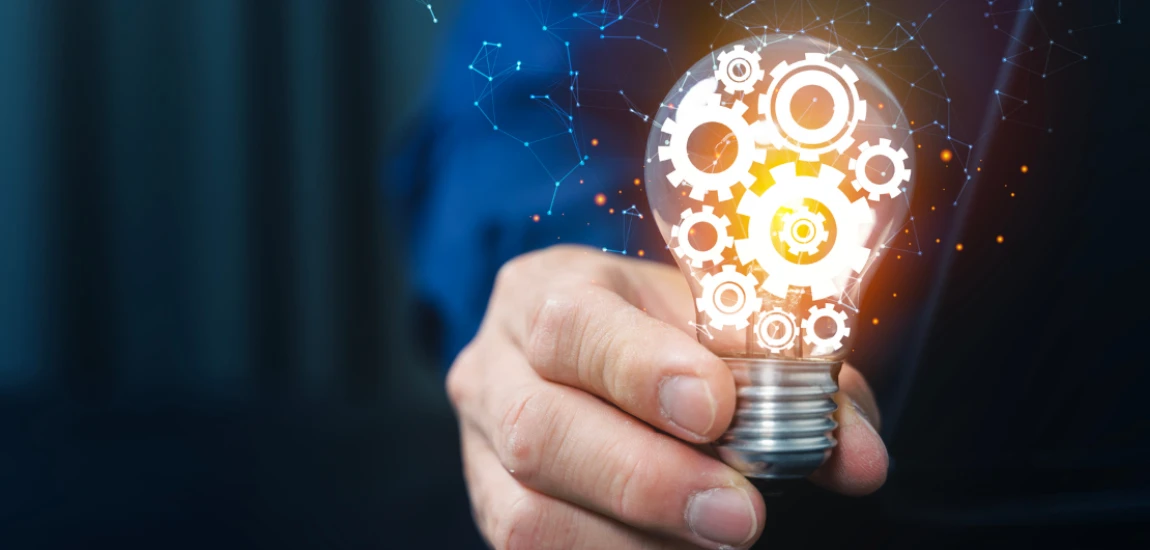
Digital twin intelligence systems are revolutionizing how organizations monitor, analyze, and optimize physical assets by creating dynamic virtual replicas that mirror real-world systems in real time. These intelligent systems integrate data from sensors, IoT devices, and advanced analytics to simulate real-world conditions, enabling predictive insights and proactive decision-making. Real-time simulation optimization platforms enhance this capability by continuously analyzing performance and suggesting improvements, making them invaluable in industries such as manufacturing, healthcare, smart cities, and energy management. By bridging the gap between physical and digital environments, digital twins allow organizations to test scenarios, identify inefficiencies, and prevent failures before they occur. As the demand for smarter, data-driven operations grows, digital twin intelligence systems are becoming a cornerstone of modern innovation, helping businesses achieve greater efficiency, sustainability, and competitiveness in an increasingly complex world.
Understanding Digital Twin Intelligence Systems

Digital twin intelligence systems are virtual representations of physical objects, processes, or systems that are continuously updated with real-time data. These systems go beyond static models by incorporating AI-driven analytics, enabling them to learn, adapt, and evolve over time. By creating a digital counterpart of a physical entity, organizations can monitor performance, predict issues, and optimize operations without directly interacting with the physical system.
Virtual Replication of Physical Assets
At the core of digital twin technology is the concept of virtual replication. Sensors embedded in physical assets collect data such as temperature, pressure, and performance metrics, which are then transmitted to the digital twin. This real-time synchronization ensures that the virtual model accurately reflects the current state of the physical system, enabling precise monitoring and analysis.
Integration with AI and Data Analytics
Digital twin intelligence systems leverage artificial intelligence and data analytics to process large volumes of data and generate actionable insights. Machine learning algorithms analyze patterns and trends, allowing the system to predict potential issues and recommend solutions. This integration enhances the system’s ability to optimize performance and reduce downtime.
Importance in Modern Industries
As industries become more complex and data-driven, digital twin intelligence systems provide a powerful tool for managing and optimizing operations. They enable organizations to make informed decisions, improve efficiency, and reduce costs, making them an essential component of digital transformation strategies.
Core Principles of Real-Time Simulation Optimization Platforms

Real-time simulation optimization platforms are designed to continuously analyze and improve the performance of digital twin systems. These platforms rely on principles that ensure accuracy, efficiency, and scalability in dynamic environments.
Continuous Data Synchronization
One of the key principles is the continuous synchronization of data between physical systems and their digital counterparts. This ensures that the digital twin remains up-to-date, enabling accurate simulations and predictions. Real-time data integration is essential for maintaining the reliability of the system.
Predictive Modeling and Simulation
These platforms use predictive modeling techniques to simulate different scenarios and outcomes. By analyzing historical and real-time data, they can forecast future performance and identify potential risks. This allows organizations to take proactive measures to prevent issues and optimize operations.
Adaptive Optimization Techniques
Adaptive optimization involves continuously adjusting system parameters to improve performance. Real-time simulation platforms use algorithms that learn from data and adapt to changing conditions, ensuring optimal performance in dynamic environments.
Key Technologies Powering Digital Twin Systems

Digital twin intelligence systems rely on a combination of advanced technologies to deliver accurate and efficient simulations. These technologies enable seamless integration between physical and digital environments.
Internet of Things (IoT) and Sensor Networks
IoT devices and sensors are the primary sources of data for digital twin systems. They collect real-time information from physical assets, enabling continuous monitoring and analysis. This data forms the foundation of digital twin models.
Artificial Intelligence and Machine Learning
AI and machine learning algorithms process the data collected by IoT devices, identifying patterns and generating insights. These technologies enable digital twins to predict failures, optimize performance, and adapt to changing conditions.
Cloud Computing and Edge Processing
Cloud platforms provide the computational power and storage needed for digital twin systems, while edge computing enables real-time data processing closer to the source. This combination ensures efficient and scalable operations.


Ben Schlappig runs "One Mile at a Time," focusing on aviation and frequent flying. He offers insights on maximizing travel points, airline reviews, and industry news.
Ben Schlappig
Prev Post
Next Post