
Neuromorphic Computing and Brain-Inspired Artificial Intelligence Systems
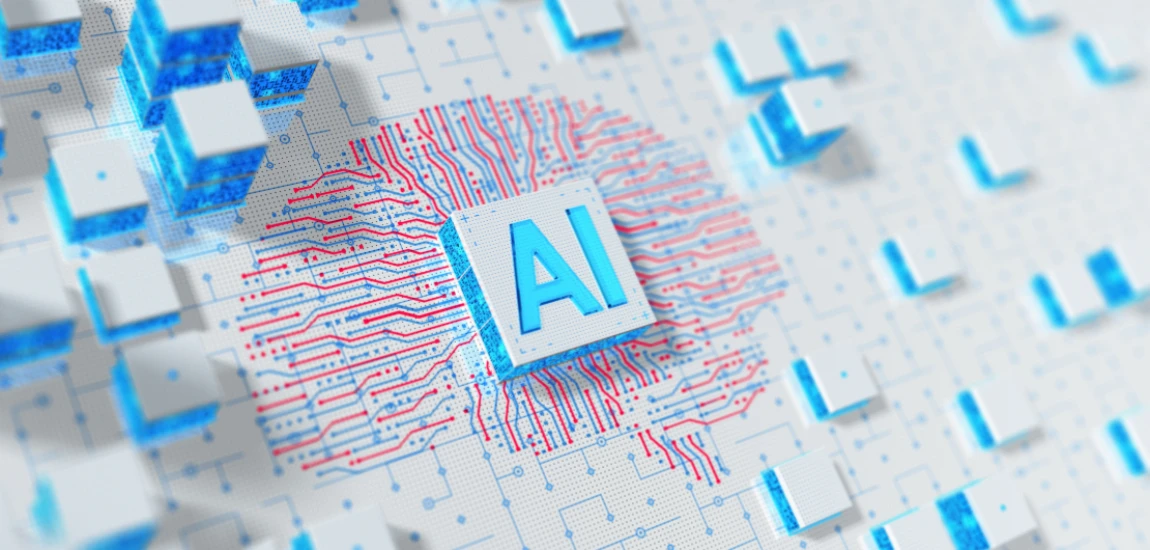
Artificial intelligence has made remarkable progress over the past decade, powering technologies such as virtual assistants, autonomous vehicles, healthcare diagnostics, and smart manufacturing. Despite these achievements, conventional AI systems often require enormous computational resources and consume significant amounts of energy to process complex tasks. As AI applications become more advanced, researchers are searching for new computing architectures that can deliver higher performance while reducing power consumption. One of the most promising solutions is neuromorphic computing, a revolutionary approach that draws inspiration from the structure and functioning of the human brain.
Neuromorphic computing combines neuroscience, computer engineering, and artificial intelligence to create hardware and software systems that mimic biological neural networks. Instead of processing information sequentially like traditional computers, neuromorphic systems use artificial neurons and synapses to process data in parallel, enabling faster learning, lower energy consumption, and real-time decision-making. This brain-inspired design makes these systems particularly effective for applications such as robotics, autonomous vehicles, edge computing, and intelligent sensors.
As industries increasingly rely on AI-driven technologies, neuromorphic computing is emerging as a key innovation for building intelligent systems capable of adapting to changing environments. Although the technology is still evolving, it has the potential to transform the future of computing by making artificial intelligence more efficient, scalable, and human-like. In this article, we will explore how neuromorphic computing works, its advantages, real-world applications, current challenges, and the exciting future of brain-inspired artificial intelligence systems.
Understanding Neuromorphic Computing and Brain-Inspired AI

Neuromorphic computing represents a significant shift from traditional computer architecture by designing computing systems that function more like the human brain. Conventional computers rely on separate processors and memory units to execute instructions, which can create delays and consume substantial energy when processing large amounts of information. In contrast, neuromorphic systems integrate computation and memory in a way that closely resembles biological neural networks, allowing information to be processed more efficiently.
The foundation of neuromorphic computing lies in artificial neurons and synapses that communicate using electrical signals similar to those found in the brain. These systems process information through distributed networks rather than following a fixed sequence of instructions. This enables them to recognize patterns, learn from experience, and adapt to new situations with greater efficiency than many traditional AI models. Because they only activate the neurons needed for a specific task, neuromorphic chips consume significantly less power, making them ideal for devices that require continuous operation, such as wearable technology, smart sensors, and autonomous robots.
Brain-inspired AI systems are designed to improve machine intelligence by replicating key characteristics of human cognition, including learning, perception, memory, and decision-making. While current AI models often rely on extensive training using massive datasets, neuromorphic systems aim to learn continuously from real-time experiences. This capability allows them to respond more effectively to dynamic environments and changing conditions. As research advances, neuromorphic computing is expected to play a crucial role in developing next-generation artificial intelligence that is faster, more adaptive, and far more energy efficient than today's computing technologies.
How Neuromorphic Computing Mimics the Human Brain
Neuromorphic computing models the behavior of biological neurons and synapses to process information efficiently. Like the human brain, these systems transmit signals only when necessary, reducing energy consumption while enabling fast and adaptive learning.
Artificial Neurons and Synaptic Networks
Instead of relying on conventional processors, neuromorphic chips use networks of artificial neurons connected through digital synapses. These interconnected structures allow information to be processed in parallel, improving pattern recognition, decision-making, and learning capabilities.
Why Brain-Inspired AI Is the Future
Brain-inspired artificial intelligence offers faster processing, lower power consumption, and the ability to learn continuously from new experiences. These advantages make neuromorphic systems well suited for robotics, autonomous vehicles, healthcare devices, and edge AI applications where speed and efficiency are essential.
How Neuromorphic Computing Works

Neuromorphic computing is designed to process information in a way that closely resembles the human brain. Unlike traditional computer systems, which separate memory and processing into different components, neuromorphic systems combine these functions within interconnected artificial neurons and synapses. This architecture reduces the time and energy required to move data between hardware components, enabling faster and more efficient information processing. As a result, neuromorphic chips can perform complex tasks while consuming far less power than conventional processors.
Another defining feature of neuromorphic computing is its event-driven processing model. Instead of continuously processing every piece of incoming data, these systems activate only when meaningful information is detected. This approach mirrors the behavior of biological neurons, which fire only when stimulated. By eliminating unnecessary computations, neuromorphic systems improve speed, reduce energy consumption, and enhance overall efficiency, making them ideal for real-time AI applications.
Neuromorphic systems also support parallel processing, allowing thousands of artificial neurons to work simultaneously. This enables faster pattern recognition, adaptive learning, and efficient decision-making in dynamic environments. As research progresses, neuromorphic computing is expected to become a key technology for robotics, autonomous vehicles, edge computing, healthcare, and intelligent IoT devices.
Event-Driven Processing
Neuromorphic chips process data only when significant events occur, similar to how neurons in the human brain transmit signals only when necessary. This approach minimizes unnecessary computations, improves response times, and significantly reduces power consumption.
Parallel Processing and Continuous Learning
Unlike traditional AI systems, neuromorphic processors can analyze multiple streams of information simultaneously. They also adapt to new data through continuous learning, enabling intelligent systems to improve performance without frequent retraining.
Energy-Efficient Architecture
Neuromorphic hardware integrates memory and computation into a single architecture, reducing data movement and energy usage. This makes it highly suitable for battery-powered devices, smart sensors, robotics, and other applications that require efficient real-time processing.
Real-World Applications of Neuromorphic Computing

Healthcare and Medical Diagnostics
Neuromorphic computing helps healthcare professionals analyze medical images, patient records, and sensor data more efficiently. Its ability to process information in real time supports faster disease diagnosis, personalized treatment plans, and wearable medical devices that continuously monitor patient health while consuming very little power.
Robotics and Autonomous Systems
Brain-inspired AI enables robots and autonomous vehicles to recognize objects, process environmental data, and make quick decisions. Neuromorphic processors improve navigation, obstacle detection, and adaptive learning, allowing machines to operate safely and efficiently in changing environments.
Edge Computing and Smart Devices
Neuromorphic chips process data directly on devices instead of sending it to cloud servers. This reduces latency, improves privacy, lowers energy consumption, and enables faster responses in applications such as smart cameras, IoT devices, industrial automation, and intelligent surveillance systems.
Neuromorphic computing is transforming the way intelligent systems operate by combining high performance with exceptional energy efficiency. Its ability to perform real-time learning and decision-making makes it valuable across numerous industries, including healthcare, transportation, manufacturing, and consumer electronics. As research continues and hardware becomes more advanced, neuromorphic technology is expected to power the next generation of AI systems that are smarter, faster, and capable of adapting to complex real-world environments with minimal energy consumption.
Benefits of Neuromorphic Computing

Higher Energy Efficiency
One of the greatest advantages of neuromorphic computing is its low power consumption. Since neuromorphic chips process information only when necessary, they use significantly less energy than conventional processors. This makes them ideal for battery-powered devices, wearable technology, and edge AI applications that require continuous operation.
Faster Real-Time Decision Making
Neuromorphic systems process multiple streams of information simultaneously, enabling rapid decision-making with minimal delay. This capability is especially valuable in autonomous vehicles, robotics, healthcare monitoring, and industrial automation, where quick responses are essential for safety and performance.
Continuous Learning and Adaptability
Unlike many traditional AI models that require retraining with large datasets, neuromorphic systems can learn continuously from new experiences. This allows them to adapt to changing environments, improve their performance over time, and respond more effectively to unfamiliar situations.
Neuromorphic computing offers a unique combination of speed, efficiency, and adaptability that makes it one of the most promising technologies for the future of artificial intelligence. By mimicking the way the human brain processes information, these systems can perform complex tasks while consuming far less energy than conventional computers. As industries continue to adopt AI-powered solutions, neuromorphic computing is expected to improve intelligent decision-making, reduce operational costs, and enable the development of smarter devices capable of learning and adapting in real time. Its growing role in healthcare, robotics, smart cities, and edge computing highlights its potential to transform the next generation of intelligent technologies.


Gary Arndt operates "Everything Everywhere," a blog focusing on worldwide travel. An award-winning photographer, Gary shares stunning visuals alongside his travel tales.
Gary Arndt

Prev Post

Next Post