
Neuro-Inspired Computing Architectures and Brain-Like Processing Systems
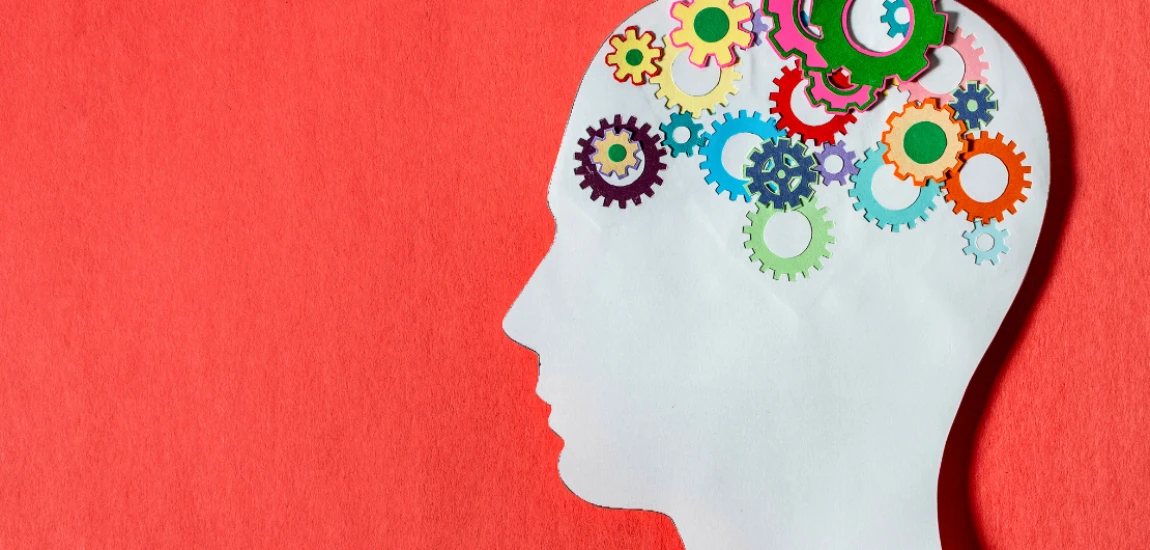
Artificial intelligence is rapidly advancing toward systems that not only process information but also mimic the way the human brain thinks, learns, and adapts. Neuro-inspired computing architectures and brain-like processing systems are at the forefront of this transformation, offering a new approach to computing that emphasizes efficiency, parallelism, and adaptability. Unlike traditional computing models that rely on linear processing, these architectures replicate neural structures, enabling machines to process information in a distributed and highly efficient manner. As industries demand faster, smarter, and more energy-efficient solutions, neuro-inspired computing is emerging as a powerful paradigm capable of revolutionizing everything from robotics to healthcare and beyond.
Understanding Neuro-Inspired Computing Architectures

What Is Neuro-Inspired Computing
Neuro-inspired computing refers to the design of computational systems modeled after the structure and functionality of the human brain. These systems use artificial neurons and synapses to process information, enabling them to learn and adapt over time. Unlike traditional architectures, which follow a sequential processing model, neuro-inspired systems operate in parallel, allowing them to handle complex tasks more efficiently.
This approach is particularly valuable for tasks that require pattern recognition, decision-making, and learning from experience. By mimicking the brain’s structure, these systems can achieve higher levels of intelligence and adaptability.
How Brain-Like Processing Works
Brain-like processing systems rely on networks of interconnected neurons that communicate through signals. These networks process information simultaneously, enabling rapid and efficient computation. Each neuron performs simple operations, but collectively, they create complex behaviors and insights.
This distributed processing model allows the system to handle large amounts of data without becoming overwhelmed. It also enables fault tolerance, as the system can continue functioning even if some components fail.
Key Characteristics of These Systems
Neuro-inspired architectures are characterized by their ability to learn continuously, adapt to new information, and process data in parallel. They are also highly energy-efficient, as they mimic the brain’s low-power consumption.
Another key feature is their scalability, allowing them to grow and evolve as new data becomes available. This makes them suitable for a wide range of applications, from small devices to large-scale systems.
Core Components of Brain-Like Processing Systems

Artificial Neurons and Synapses
Artificial neurons and synapses are the building blocks of neuro-inspired computing. Neurons process input signals and generate outputs, while synapses control the strength of connections between neurons.
These components work together to form neural networks capable of learning and adapting. By adjusting synaptic weights, the system can improve its performance over time.
Spiking Neural Networks
Spiking neural networks (SNNs) are a key innovation in neuro-inspired computing. Unlike traditional neural networks, SNNs use discrete spikes to transmit information, closely mimicking biological neurons.
This approach allows for more efficient and realistic modeling of brain activity, enabling systems to process information in a time-dependent manner.
Neuromorphic Hardware
Neuromorphic hardware is designed specifically to support neuro-inspired computing. These specialized chips replicate the structure and function of neural networks, enabling efficient and scalable processing.
Examples include processors that integrate memory and computation, reducing latency and energy consumption. This makes them ideal for real-time applications.
Technologies Powering Neuro-Inspired Systems

Machine Learning and Deep Learning Integration
Neuro-inspired systems often integrate machine learning and deep learning techniques to enhance their capabilities. These technologies enable the system to learn from data and improve its performance over time.
Deep learning models, in particular, are well-suited for processing large datasets and identifying complex patterns.
Edge Computing and Real-Time Processing
Edge computing plays a crucial role in enabling real-time processing in neuro-inspired systems. By processing data closer to the source, these systems can respond quickly to changes in the environment.
This is particularly important for applications such as autonomous vehicles and robotics, where timely decision-making is critical.
Sensor Integration and Data Fusion
Neuro-inspired systems often integrate data from multiple sensors, enabling them to create a comprehensive understanding of their environment. Data fusion techniques combine information from different sources to improve accuracy and reliability.
This capability is essential for applications that require real-time awareness and adaptability.
Applications Across Industries

Robotics and Autonomous Systems
Neuro-inspired computing is revolutionizing robotics by enabling machines to learn from their environment and adapt to new situations. These systems can perform complex tasks with greater efficiency and accuracy.
Autonomous systems, such as self-driving cars, rely on brain-like processing to navigate and make decisions in real time.
Healthcare and Brain-Computer Interfaces
In healthcare, neuro-inspired systems are used to develop advanced diagnostic tools and brain-computer interfaces. These technologies enable direct communication between the brain and machines, opening new possibilities for treatment and rehabilitation.
They also help in analyzing medical data and identifying patterns that can improve patient outcomes.
Smart Devices and IoT
Smart devices and IoT systems benefit from neuro-inspired computing by becoming more intelligent and responsive. These systems can learn user preferences and adapt their behavior accordingly.
This leads to improved user experiences and more efficient resource utilization.


Known as "Nomadic Matt," Matthew Kepnes offers practical travel advice with a focus on budget backpacking. His blog aims to help people travel cheaper and longer.
Matthew Kepnes

Prev Post

Next Post