
Edge Computing Intelligence Systems: Powering Low-Latency Data Processing Architectures
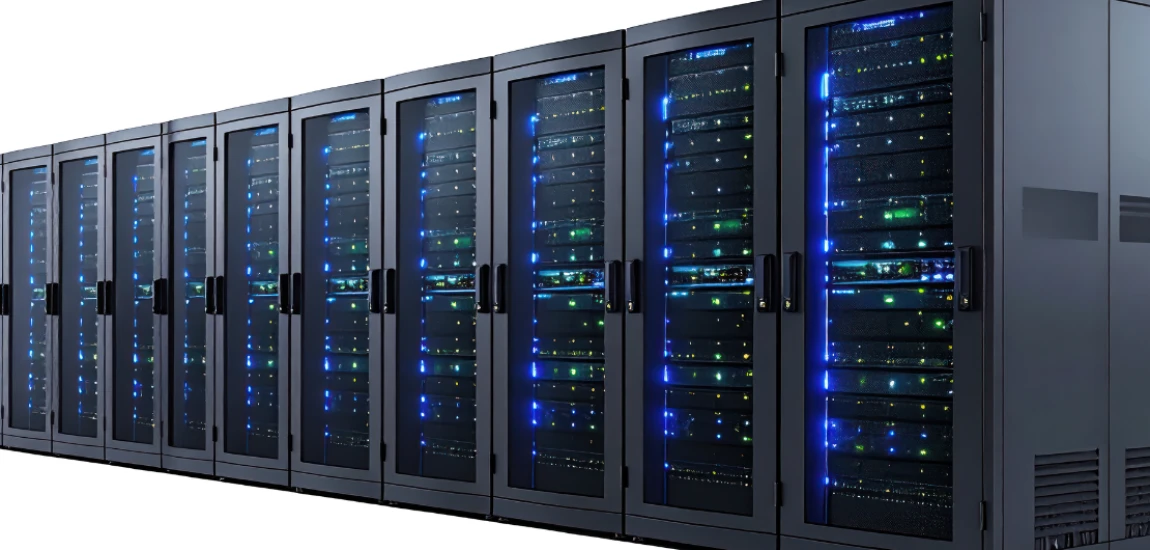
Edge computing intelligence systems are transforming the way data is processed, analyzed, and utilized in modern digital ecosystems. Traditional cloud computing models rely on centralized data centers, which often introduce latency due to the distance between users and servers. In contrast, edge computing brings computation closer to the data source, enabling real-time processing and faster decision-making. These systems are particularly important in applications that require immediate responses, such as autonomous vehicles, smart cities, industrial automation, and IoT networks. By leveraging low-latency data processing architectures, organizations can improve performance, reduce bandwidth usage, and enhance system reliability. As the demand for real-time analytics continues to grow, edge computing intelligence systems are becoming a critical component of next-generation digital infrastructure.
Understanding Edge Computing Intelligence Systems

What is Edge Computing?
Edge computing is a distributed computing model that processes data near the location where it is generated rather than relying solely on centralized cloud servers. This reduces the distance data must travel, significantly improving response times.
Edge computing intelligence systems integrate artificial intelligence and machine learning at the edge, enabling devices to analyze data locally and make decisions in real time.
Evolution from Cloud to Edge
The shift from cloud computing to edge computing has been driven by the need for faster data processing and reduced latency. While cloud computing remains essential for large-scale storage and processing, it is not always suitable for real-time applications.
Edge computing complements cloud systems by handling time-sensitive tasks locally, improving overall system efficiency.
Importance in Modern Digital Ecosystems
Edge computing intelligence systems are essential in today’s connected world, where billions of devices generate massive amounts of data.
By processing data closer to the source, these systems reduce network congestion and improve performance.
Core Components of Low-Latency Data Processing Architectures

Edge Devices and Sensors
Edge devices such as sensors, cameras, and IoT devices collect data from the physical environment. These devices are equipped with basic processing capabilities to perform initial data analysis.
This allows for immediate responses without waiting for cloud processing.
Distributed Computing Nodes
Distributed nodes are responsible for processing and storing data locally. These nodes work together to ensure efficient data handling across the network.
They reduce dependency on centralized systems and improve scalability.
AI and Machine Learning Integration
AI algorithms are deployed at the edge to analyze data in real time. Machine learning models enable predictive analytics and intelligent decision-making.
This enhances automation and improves system responsiveness.
Benefits of Edge Computing Intelligence Systems

Ultra-Low Latency and Real-Time Processing
One of the biggest advantages of edge computing is its ability to deliver ultra-low latency. By processing data locally, systems can respond instantly to events.
This is critical for applications such as autonomous driving and industrial automation.
Reduced Bandwidth and Network Load
Edge computing reduces the amount of data sent to centralized servers, lowering bandwidth usage. Only relevant or processed data is transmitted to the cloud.
This improves network efficiency and reduces operational costs.
Enhanced Reliability and System Resilience
Edge systems continue to function even when connectivity to the cloud is limited or disrupted.
This makes them highly reliable for mission-critical applications.
Applications of Edge Computing in Real-Time Systems

Autonomous Vehicles and Transportation
Edge computing is essential for autonomous vehicles, where split-second decisions are required. Vehicles process sensor data locally to navigate safely and efficiently.
This reduces reaction time and improves safety.
Industrial Automation and Smart Manufacturing
In manufacturing, edge computing enables real-time monitoring of machinery and production lines. This helps detect faults and optimize operations.
It improves productivity and reduces downtime.
Smart Cities and IoT Ecosystems
Smart cities use edge computing to manage traffic, energy, and public services. IoT devices collect and process data locally to improve urban efficiency.
This enhances quality of life and resource management.


Derek Baron, also known as "Wandering Earl," offers an authentic look at long-term travel. His blog contains travel stories, tips, and the realities of a nomadic lifestyle.
Derek Baron

Prev Post

Next Post