
Machine Creativity Systems and Autonomous Content Generation Engines
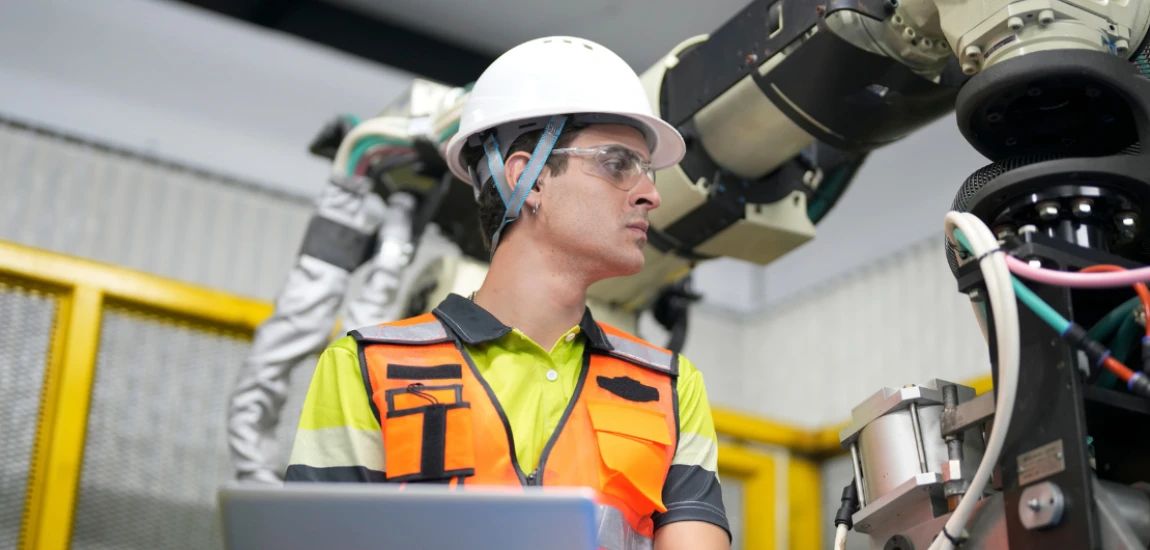
Creativity is no longer confined to human imagination. With rapid advancements in artificial intelligence, machines are now capable of producing content that rivals human creativity. Machine creativity systems are redefining how ideas are generated, refined, and distributed across industries. These systems form the backbone of autonomous content generation engines, enabling organizations to automate and scale their creative processes.
The shift toward AI-driven creativity is fueled by the growing demand for high-quality, consistent, and personalized content. Businesses need to produce blogs, videos, advertisements, and social media posts at an unprecedented scale. Traditional methods struggle to keep up, making AI-powered systems an essential solution.
These technologies are not just about automation—they are about augmentation. They enhance human creativity by providing inspiration, speeding up workflows, and reducing repetitive tasks. As a result, creators can focus more on strategy and innovation.
In this blog, we will dive deep into the core aspects of machine creativity systems, exploring their foundations, technologies, applications, benefits, challenges, and future trends.
Understanding Machine Creativity Systems

What are Machine Creativity Systems
Machine creativity systems are AI-driven platforms designed to generate creative outputs across multiple formats. These systems use advanced algorithms to analyze patterns in existing data and produce new, original content.
They operate across various domains, including writing, visual design, music composition, and video production. For example, an AI writing system can generate a full-length blog post, while an image generator can create unique artwork based on text prompts.
One key feature of these systems is adaptability. They can tailor outputs based on user preferences, industry requirements, and audience behavior. This makes them highly versatile tools for businesses and creators.
How Creativity is Modeled in AI
Creativity in AI is modeled through a combination of data-driven learning and probabilistic reasoning. Machine learning models are trained on vast datasets containing examples of human-created content. These datasets include text, images, audio, and more.
The models learn patterns such as structure, style, tone, and context. For instance, a language model learns how sentences are formed, how ideas flow, and how tone changes based on context.
Advanced techniques like reinforcement learning allow these systems to improve over time. By receiving feedback, they refine their outputs and become more aligned with user expectations.
Evolution of Generative AI
Generative AI has undergone a significant transformation. Early systems were limited to basic pattern generation and lacked coherence. However, modern systems use sophisticated architectures like transformers and diffusion models.
These advancements have enabled AI to produce high-quality, context-aware, and diverse content. Today’s machine creativity systems can generate realistic images, write compelling narratives, and even compose music.
As technology continues to evolve, the gap between human and machine creativity is narrowing.
Core Technologies Behind Autonomous Content Engines

Natural Language Processing and Text Generation
Natural language processing (NLP) is a critical component of machine creativity systems. It enables AI to understand, interpret, and generate human language.
Modern NLP models can create long-form content, summarize information, and adapt tone based on the target audience. They can also optimize content for SEO by incorporating relevant keywords naturally.
These capabilities make NLP-powered systems invaluable for content marketing and communication.
Computer Vision and Image Generation
Computer vision technologies allow AI to generate and interpret visual content. Image generation models can create realistic visuals, illustrations, and designs based on textual descriptions.
These systems are widely used in industries such as advertising, gaming, and digital art. They enable creators to produce high-quality visuals بسرعة and efficiently.
Additionally, AI can analyze existing images to enhance quality, remove backgrounds, and apply stylistic changes.
Audio and Video Generation Technologies
AI-driven audio and video generation technologies are transforming multimedia content creation. These systems can generate voiceovers, compose music, and create video content.
For example, text-to-speech systems produce realistic voice outputs, while video generation tools can create animations and visual stories.
These technologies are particularly useful for content creators, marketers, and educators looking to produce engaging multimedia content.
Applications of Machine Creativity Systems

Content Marketing and SEO
Machine creativity systems are revolutionizing content marketing by enabling businesses to produce large volumes of high-quality content. These systems can generate blog posts, product descriptions, and social media content optimized for search engines.
They analyze keywords, audience behavior, and trends to create content that ranks well and engages users. This helps businesses improve their online visibility and reach.
Entertainment and Media Production
In the entertainment industry, AI is being used to create music, films, and visual effects. Machine creativity systems can generate scripts, design characters, and produce animations.
This reduces production time and costs while enabling new forms of storytelling. Creators can experiment with ideas more freely and bring their visions to life بسرعة.
Education and E-Learning
AI-powered content generation is transforming education by creating personalized learning experiences. Systems can generate study materials, quizzes, and interactive lessons tailored to individual needs.
This improves learning outcomes and keeps students engaged. It also reduces the workload for educators.
Benefits of Autonomous Content Generation Engines

Scalability and Efficiency
One of the biggest advantages of machine creativity systems is scalability. Businesses can produce large amounts of content in a short time without compromising quality.
This is particularly useful for companies managing multiple platforms and campaigns.
Cost Reduction
Automating content creation reduces the need for extensive human resources. This lowers production costs and makes high-quality content accessible to smaller businesses.
Consistency and Quality
AI systems maintain consistent tone, style, and quality across all content. This is essential for building a strong brand identity.
Additionally, AI can quickly identify and correct errors, ensuring high-quality outputs.
Challenges and Ethical Considerations

Originality and Plagiarism
Ensuring originality is a major challenge for machine creativity systems. Since these systems learn from existing data, there is a risk of generating content that resembles existing works.
Developers must implement mechanisms to ensure uniqueness and avoid plagiarism.
Ethical and Legal Issues
The use of AI in content creation raises questions about ownership and copyright. Who owns AI-generated content? How should it be credited?
These issues require clear regulations and guidelines.
Dependence on Data
Machine creativity systems rely heavily on data quality. Poor or biased data can lead to inaccurate or unfair outputs.
Ensuring diverse and high-quality datasets is essential for reliable performance.


Shivya Nath authors "The Shooting Star," a blog that covers responsible and off-the-beaten-path travel. She writes about sustainable tourism and community-based experiences.
Shivya Nath

Prev Post

Next Post