
Intelligent Human Augmentation Systems and Advanced Cybernetic Enhancement Architectures
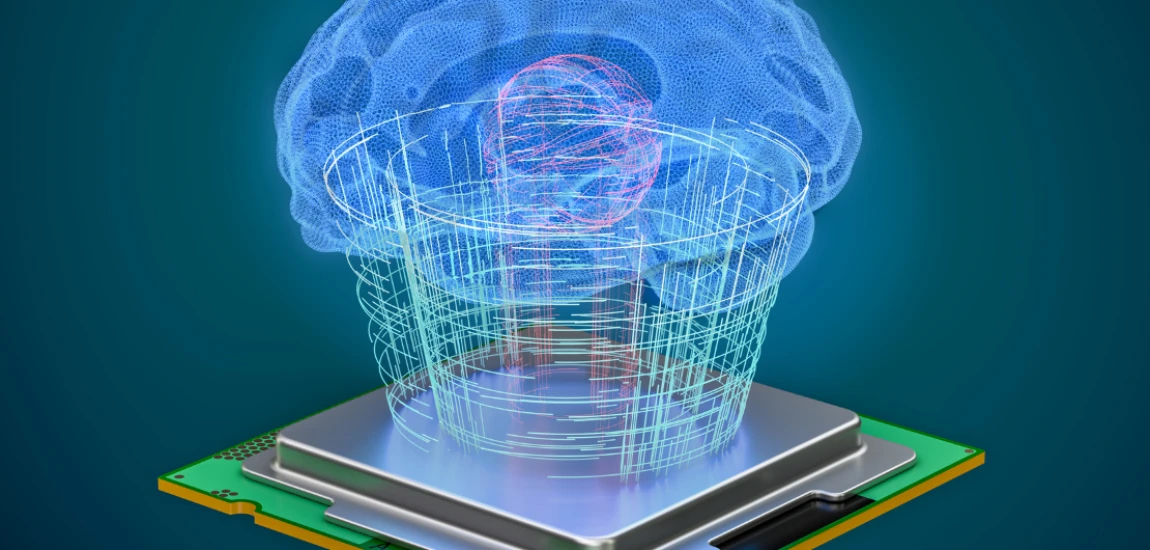
Human civilization has continuously sought ways to overcome biological limitations and enhance physical and cognitive performance. From the invention of tools and machines to modern medical technologies and artificial intelligence, innovation has consistently expanded human capabilities. Today, emerging technologies are driving a new era of transformation through Intelligent Human Augmentation Systems and Advanced Cybernetic Enhancement Architectures.
These futuristic systems combine artificial intelligence, robotics, neuroscience, biotechnology, wearable computing, neural interfaces, advanced prosthetics, and cybernetic engineering to create seamless interactions between humans and machines. Unlike traditional assistive technologies, modern augmentation systems are designed not only to restore lost abilities but also to enhance natural human performance beyond conventional biological limits.
As populations age, workplaces become increasingly technology-driven, and healthcare systems embrace personalized medicine, intelligent augmentation technologies are gaining attention across industries. From AI-powered prosthetic limbs and brain-computer interfaces to cognitive enhancement platforms and adaptive exoskeletons, these innovations are reshaping how humans interact with their environments.
The convergence of artificial intelligence and cybernetic engineering could ultimately create a future where physical strength, sensory perception, memory, learning speed, and decision-making capabilities are significantly enhanced. As research continues to accelerate, Intelligent Human Augmentation Systems may become one of the most transformative technological developments of the twenty-first century.
Understanding Intelligent Human Augmentation Systems

The Evolution of Human Enhancement
Human enhancement is not a new concept. For thousands of years, people have used tools, education, medicine, and technology to improve their capabilities. Eyeglasses enhanced vision, hearing aids improved auditory perception, and modern medicine extended lifespan and quality of life.
The digital revolution introduced wearable devices, smart sensors, and AI-powered technologies capable of monitoring and optimizing human performance. Today, augmentation systems are evolving from simple assistive devices into intelligent platforms that actively interact with users.
Modern augmentation technologies are designed to integrate closely with biological systems, enabling real-time adaptation and personalized performance improvements. This evolution marks a significant shift from external tools to deeply interconnected human-machine systems.
As technology advances, augmentation solutions are becoming more sophisticated, responsive, and capable of supporting a wide range of human activities.
Defining Cybernetic Enhancement Architectures
Cybernetic enhancement refers to the integration of computational systems, mechanical devices, and biological functions into unified operational frameworks. These architectures enable continuous communication between human physiology and intelligent technologies.
Advanced cybernetic systems can interpret biological signals, process information through AI algorithms, and generate adaptive responses that support user goals. This creates a dynamic relationship between the individual and the enhancement technology.
Such architectures are essential for achieving seamless human-machine collaboration and maximizing augmentation effectiveness.
The Role of Artificial Intelligence
Artificial intelligence acts as the intelligence layer within augmentation systems. AI analyzes user behavior, physiological data, environmental conditions, and performance metrics to optimize system functionality.
Machine learning algorithms enable augmentation platforms to adapt continuously to individual needs and preferences. This personalized approach improves efficiency, comfort, and long-term effectiveness.
AI-driven intelligence transforms augmentation devices from passive tools into active performance partners.
Core Technologies Behind Advanced Cybernetic Enhancement Architectures

Brain-Computer Interfaces
Brain-computer interfaces (BCIs) represent one of the most exciting areas of human augmentation research. These systems establish direct communication pathways between the human brain and external devices.
BCIs can interpret neural signals and convert them into digital commands, enabling users to control computers, robotic systems, and assistive technologies using thought alone. Future developments may allow more advanced forms of cognitive interaction and information exchange.
The integration of AI significantly improves signal interpretation and system responsiveness, making BCIs increasingly practical for real-world applications.
As research progresses, brain-computer interfaces may transform communication, accessibility, and cognitive enhancement.
Intelligent Prosthetics and Artificial Limbs
Modern prosthetic technologies have evolved far beyond simple mechanical replacements. AI-powered prosthetic limbs can adapt to user movement patterns, environmental conditions, and activity requirements.
Advanced sensors collect real-time information about muscle activity, balance, pressure, and motion. Machine learning algorithms use this data to optimize performance and create more natural movement experiences.
Future prosthetics may offer sensory feedback capabilities that allow users to experience touch, temperature, and texture through artificial limbs.
These advancements are improving quality of life while expanding possibilities for human enhancement.
Wearable and Implantable Technologies
Wearable and implantable devices form another critical component of cybernetic architectures. Smart glasses, biometric sensors, neural implants, and adaptive exoskeletons provide continuous interaction between humans and intelligent systems.
These technologies monitor health metrics, track performance, and deliver personalized assistance in real time. Integration with AI platforms enables predictive insights and proactive support.
Wearable and implantable systems are helping bridge the gap between biological capabilities and digital intelligence.
Cognitive Enhancement and Neural Optimization

Enhancing Memory and Learning
One of the most promising applications of Intelligent Human Augmentation Systems involves cognitive enhancement. AI-powered learning systems can personalize educational experiences and optimize information retention.
Future neural augmentation technologies may support memory reinforcement, accelerated learning, and enhanced problem-solving abilities. By analyzing cognitive patterns, intelligent systems can recommend personalized strategies for knowledge acquisition.
These capabilities have the potential to transform education, workforce training, and lifelong learning.
Enhanced cognitive performance may become a major driver of economic and social advancement.
Improving Decision-Making Capabilities
Modern environments often require rapid decision-making under complex conditions. AI-assisted cognitive systems can analyze vast amounts of information and provide actionable insights in real time.
These systems support human judgment without replacing it, enabling individuals to make more informed decisions across professional, medical, and operational contexts.
Improved decision-making capabilities enhance productivity, safety, and overall performance.
As AI becomes more sophisticated, cognitive augmentation systems will likely play increasingly important roles in daily life.
Neural Health and Mental Performance
Beyond enhancement, cybernetic technologies can support mental wellness and neurological health. Intelligent systems can monitor cognitive performance, detect early signs of neurological disorders, and recommend interventions.
Real-time cognitive analytics enable more personalized healthcare strategies and proactive treatment approaches.
Maintaining neural health is essential for maximizing the benefits of future augmentation technologies.
Physical Augmentation and Human Performance Enhancement

Exoskeleton Systems and Strength Amplification
Exoskeletons are wearable robotic systems designed to enhance human strength, endurance, and mobility. These technologies are already being used in healthcare, manufacturing, defense, and rehabilitation applications.
AI-powered exoskeletons adapt to user movements and provide targeted assistance based on activity requirements. This reduces physical strain while improving efficiency and safety.
Future exoskeletons may enable users to perform tasks previously beyond normal human capabilities.
The potential applications span numerous industries and everyday activities.
Advanced Mobility and Rehabilitation Technologies
Cybernetic enhancement systems are transforming rehabilitation medicine by supporting recovery from injuries and neurological conditions. Intelligent devices assist patients in regaining mobility, coordination, and independence.
Machine learning algorithms personalize therapy programs and monitor progress continuously. These capabilities improve treatment effectiveness and patient outcomes.
Advanced rehabilitation technologies are helping individuals achieve greater functional recovery.
The integration of AI enhances both precision and adaptability.
Enhancing Sensory Perception
Human senses provide essential information about the surrounding environment. Augmentation technologies can expand sensory capabilities beyond natural biological limits.
Examples include enhanced vision systems, advanced hearing technologies, and environmental sensing devices that provide additional awareness.
Expanded sensory perception may improve safety, productivity, and overall quality of life.
Future systems could enable entirely new forms of human-environment interaction.


Operating "The Blonde Abroad," Kiersten Rich specializes in solo female travel. Her blog provides destination guides, packing tips, and travel resources.
Kiersten Rich

Prev Post

Next Post