
Intelligent Forest Fire Detection Systems and Autonomous Environmental Protection Frameworks
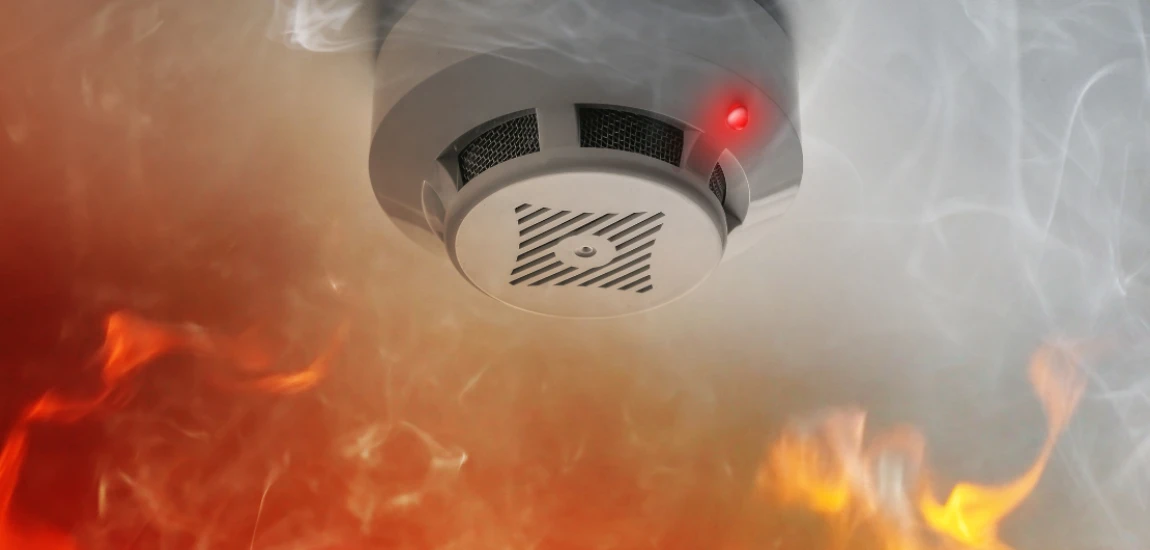
Forest fires are among the most destructive natural disasters, causing massive environmental loss, threatening wildlife, destroying biodiversity, and endangering human lives. With climate change increasing the frequency and intensity of wildfires worldwide, traditional fire monitoring methods are no longer sufficient. Manual surveillance, delayed reporting, and limited coverage often result in late detection, allowing fires to spread uncontrollably.
To address these challenges, intelligent forest fire detection systems and autonomous environmental protection frameworks have emerged as advanced technological solutions. These systems combine artificial intelligence, satellite imaging, IoT sensor networks, drone surveillance, and predictive analytics to detect forest fires in real time and initiate rapid response actions.
By integrating automated monitoring with intelligent decision-making systems, environmental agencies can significantly reduce fire response times, minimize ecological damage, and improve disaster management efficiency. These technologies are becoming essential tools in modern environmental protection strategies and climate resilience planning.
As global ecosystems face increasing environmental threats, AI-driven wildfire detection systems are playing a critical role in safeguarding forests, wildlife habitats, and natural resources for future generations.
Understanding Intelligent Forest Fire Detection Systems

Intelligent forest fire detection systems are advanced environmental monitoring technologies that use artificial intelligence, sensor networks, and real-time data analysis to identify wildfire risks at the earliest possible stage.
Integration of Artificial Intelligence and Environmental Monitoring
Artificial intelligence plays a central role in modern wildfire detection systems by analyzing environmental data collected from multiple sources.
AI algorithms process information from satellite imagery, weather patterns, humidity levels, temperature fluctuations, and vegetation conditions to identify early signs of fire risk. Machine learning models continuously improve detection accuracy by learning from historical wildfire data and environmental behavior patterns.
These intelligent systems can differentiate between natural heat variations and actual fire outbreaks, significantly reducing false alarms while improving response precision.
IoT Sensor Networks for Real-Time Detection
IoT-enabled sensor networks are deployed across forests to monitor environmental conditions continuously. These sensors measure temperature, smoke levels, air quality, wind speed, and soil moisture.
Real-time data collected by sensors is transmitted to centralized AI platforms that analyze fire risk conditions instantly. If abnormal heat or smoke levels are detected, the system triggers automated alerts and emergency response protocols.
IoT sensor networks provide continuous surveillance even in remote forest regions where human monitoring is difficult.
Satellite Imaging and Remote Sensing Technologies
Satellite-based monitoring systems play a crucial role in large-scale forest fire detection.
Advanced remote sensing technologies use thermal imaging and infrared sensors to detect heat anomalies across vast forest areas. AI-powered satellite analysis systems can identify potential fire outbreaks within minutes of ignition.
These technologies enable global monitoring of wildfire risks, improving early detection capabilities and supporting international disaster management efforts.
Autonomous Environmental Protection Frameworks

Autonomous environmental protection frameworks are intelligent systems designed to monitor, analyze, and respond to environmental threats automatically using AI-driven technologies.
Automated Disaster Response Systems
One of the key components of autonomous environmental frameworks is automated disaster response.
When forest fire detection systems identify a potential wildfire, AI-driven response systems automatically activate emergency protocols. These may include alerting firefighting teams, deploying drones for aerial surveillance, and notifying local authorities.
Automated response frameworks significantly reduce reaction times and improve firefighting efficiency during critical early stages of wildfire development.
AI-Driven Decision Support Systems
Autonomous environmental protection systems rely on AI-based decision-making engines to evaluate fire severity and determine appropriate response strategies.
These systems analyze real-time environmental data, wind direction, terrain conditions, and resource availability to recommend optimal firefighting approaches.
Decision support systems help emergency responders prioritize high-risk zones and allocate resources effectively.
Environmental Risk Prediction Models
Predictive analytics plays a vital role in environmental protection frameworks by forecasting wildfire risks before they occur.
AI models analyze climate data, vegetation dryness, historical fire patterns, and seasonal weather changes to predict high-risk fire zones.
Early prediction allows authorities to implement preventive measures such as controlled burns, evacuation planning, and resource pre-positioning.
Applications of Intelligent Fire Detection Technologies

AI-powered wildfire detection systems are being widely used across environmental protection agencies, forestry departments, and disaster management organizations.
Forest Conservation and Wildlife Protection
Intelligent fire detection systems help protect forests and wildlife habitats by identifying fire risks early and enabling rapid intervention.
These systems minimize habitat destruction and protect endangered species by preventing large-scale ecological damage.
Environmental monitoring technologies also support reforestation planning and biodiversity conservation efforts.
Urban-Wildland Interface Protection
Areas where urban development meets forested regions are particularly vulnerable to wildfire damage.
AI-driven monitoring systems help protect these zones by detecting fire outbreaks near residential areas and triggering emergency evacuation alerts.
Early warning systems reduce human casualties and property damage in wildfire-prone regions.
Climate Change Monitoring and Research
Forest fire detection systems also contribute to climate change research by collecting valuable environmental data.
Scientists use AI-analyzed fire data to study climate patterns, deforestation trends, and ecosystem changes.
This information supports global environmental policy development and climate adaptation strategies.
Benefits of AI-Driven Fire Detection Systems

Intelligent wildfire detection technologies offer significant environmental, economic, and safety benefits for societies and ecosystems.
Faster Fire Detection and Response
One of the most important advantages of AI-powered systems is early fire detection.
By identifying fire outbreaks within minutes, these systems allow emergency teams to respond quickly before fires spread uncontrollably.
Faster response times significantly reduce environmental damage and improve firefighting success rates.
Reduced Environmental Damage
Early detection and automated response systems help minimize forest destruction, air pollution, and wildlife loss caused by wildfires.
By preventing large-scale fire spread, intelligent systems contribute to long-term ecosystem preservation.
Reduced environmental damage also supports global sustainability and climate resilience efforts.
Cost-Effective Disaster Management
AI-driven fire detection systems reduce the overall cost of wildfire management by improving efficiency and reducing emergency response delays.
Automated monitoring reduces the need for large-scale manual surveillance operations.
Efficient resource allocation lowers firefighting costs and improves disaster management effectiveness.


Gary Arndt operates "Everything Everywhere," a blog focusing on worldwide travel. An award-winning photographer, Gary shares stunning visuals alongside his travel tales.
Gary Arndt

Prev Post

Next Post