
Intelligent Data Fabric Systems and Autonomous Information Flow Management
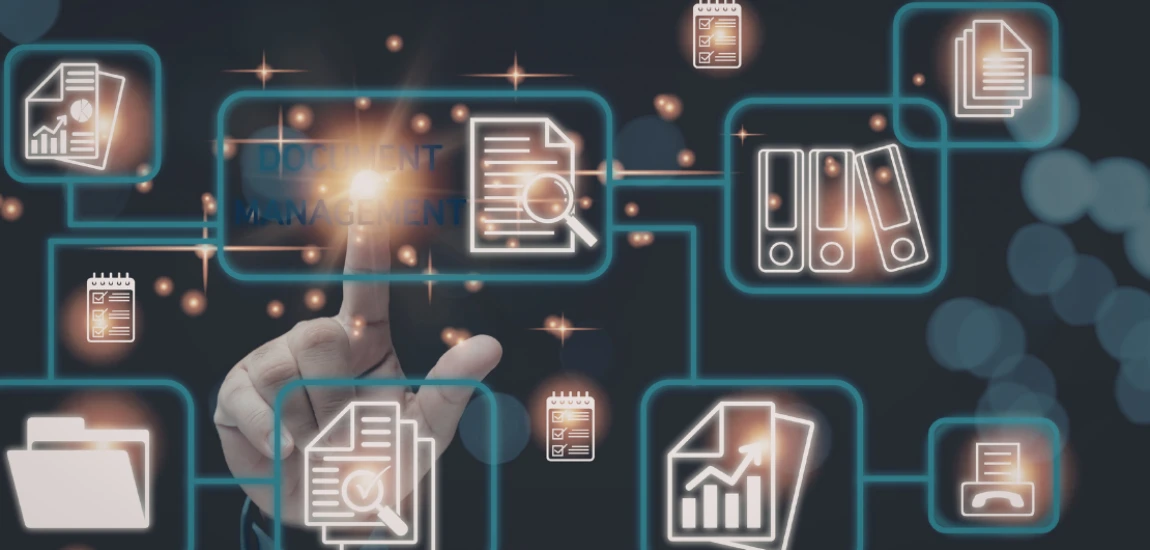
Intelligent data fabric systems are transforming how organizations manage, integrate, and utilize data across complex environments. In today’s digital landscape, businesses generate massive amounts of data from multiple sources, including cloud platforms, on-premise systems, IoT devices, and third-party applications. Managing this fragmented data efficiently has become a major challenge. Intelligent data fabric systems address this issue by creating a unified architecture that connects, integrates, and governs data across all environments. These systems use artificial intelligence and automation to streamline data processes, ensuring that the right data is available at the right time for decision-making. Autonomous information flow management further enhances this capability by enabling data to move seamlessly between systems without manual intervention. This ensures continuous data availability, reduces bottlenecks, and improves operational efficiency. By leveraging intelligent data fabrics, organizations can break down data silos, improve data quality, and enable advanced analytics. As businesses increasingly rely on data-driven strategies, intelligent data fabric systems are becoming essential for achieving scalability, agility, and innovation in a highly competitive market.
Core Technologies Behind Data Fabric Architecture

Artificial Intelligence and Machine Learning
Artificial intelligence and machine learning play a crucial role in enabling intelligent data fabric systems. These technologies automate data integration, classification, and governance processes, reducing the need for manual intervention. Machine learning algorithms analyze data patterns, detect anomalies, and optimize data flows, ensuring that the system operates efficiently. This automation allows organizations to manage large volumes of data with greater accuracy and speed.
Data Integration and Interoperability
Data fabric systems rely on advanced integration techniques to connect disparate data sources. This includes structured and unstructured data from various platforms and formats. Interoperability ensures that data can be shared and used across different systems without compatibility issues. By enabling seamless data exchange, these systems enhance collaboration and improve overall efficiency.
Cloud, Edge, and Hybrid Infrastructure
Modern data fabric systems operate across cloud, edge, and hybrid environments. Cloud platforms provide scalability and storage capabilities, while edge computing enables real-time data processing closer to the source. Hybrid infrastructure combines the benefits of both, allowing organizations to optimize performance and cost. This flexible architecture ensures that data is accessible and actionable regardless of location.
Benefits of Autonomous Information Flow Management

Real-Time Data Availability
Autonomous information flow management ensures that data is continuously updated and available in real time. This enables organizations to make timely decisions based on the latest information. Real-time data access is particularly important in industries such as finance, healthcare, and logistics, where delays can have significant consequences.
Improved Data Quality and Consistency
By automating data processes, intelligent data fabric systems reduce errors and ensure consistency across datasets. This improves data quality and reliability, which are critical for accurate analysis and decision-making. Automated validation and cleansing processes further enhance data integrity.
Enhanced Operational Efficiency
Autonomous data flow management eliminates manual processes and reduces operational complexity. This leads to increased efficiency and cost savings, allowing organizations to focus on strategic initiatives rather than routine data management tasks.
Real-World Applications Across Industries

Financial Services and Risk Management
In the financial sector, intelligent data fabric systems are used to integrate data from multiple sources and provide real-time insights for risk management and compliance. These systems enable organizations to detect fraud, monitor transactions, and ensure regulatory compliance more effectively.
Healthcare and Patient Data Integration
Healthcare organizations use data fabric systems to integrate patient data from various sources, including electronic health records and wearable devices. This enables better patient care by providing a comprehensive view of health information and supporting data-driven decision-making.
Retail and Customer Insights
In retail, intelligent data fabrics help businesses analyze customer behavior and preferences by integrating data from online and offline channels. This enables personalized marketing, optimized inventory management, and improved customer experiences.
Challenges and Considerations in Data Fabric Implementation

Data Security and Privacy
Managing sensitive data across multiple systems raises concerns about security and privacy. Organizations must implement robust security measures to protect data and comply with regulations. This includes encryption, access controls, and monitoring systems.
Complexity of Integration
Integrating diverse data sources and systems can be complex and resource-intensive. Organizations need to ensure that their data fabric architecture is well-designed and scalable to handle growing data volumes and complexity.
Governance and Compliance
Effective data governance is essential for ensuring data quality, consistency, and compliance with regulations. Organizations must establish clear policies and frameworks to manage data effectively and maintain accountability.
Future Trends in Intelligent Data Fabric Systems

AI-Driven Automation and Self-Optimizing Systems
The future of data fabric systems lies in increased automation and self-optimization. AI-driven systems will be able to manage data flows independently, continuously improving performance and efficiency without human intervention.
Integration with Advanced Analytics and BI Tools
Intelligent data fabrics will increasingly integrate with advanced analytics and business intelligence tools, enabling deeper insights and more sophisticated data analysis. This will enhance decision-making capabilities across organizations.
Expansion into Edge and IoT Ecosystems
As IoT devices continue to grow, data fabric systems will expand to support edge computing environments. This will enable real-time data processing and analysis at the source, improving responsiveness and efficiency.


Anil Polat, behind the blog "FoxNomad," combines technology and travel. A computer security engineer by profession, he focuses on the tech aspects of travel.
Anil Polat

Prev Post

Next Post