
Human–Robot Collaboration Intelligence Systems and Industrial Automation Frameworks
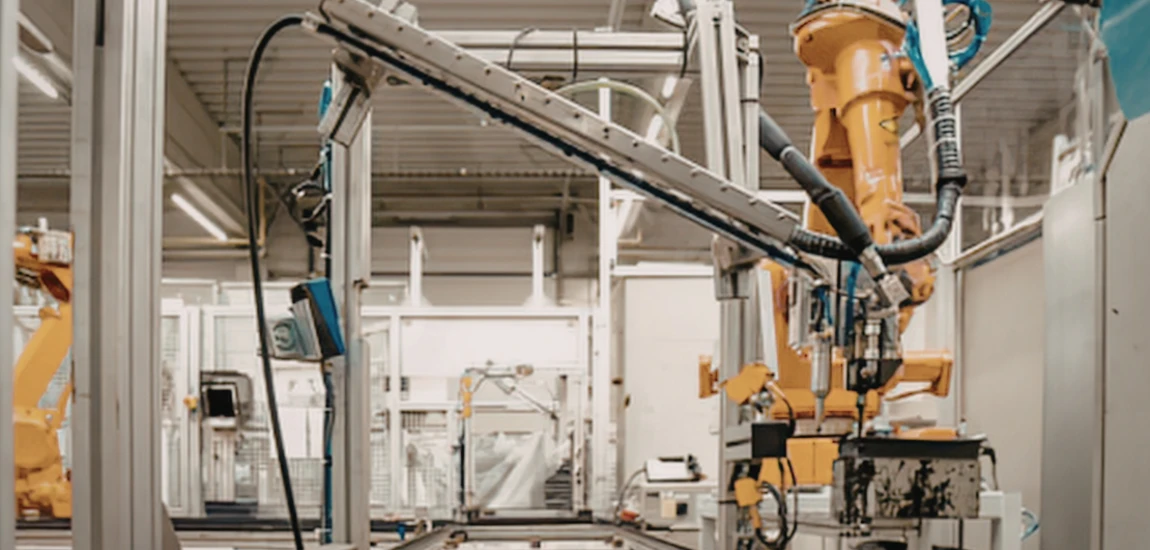
The industrial sector is experiencing a major technological transformation driven by artificial intelligence, robotics, machine learning, and smart automation systems. Traditional manufacturing and industrial operations often rely on repetitive manual labor, isolated robotic systems, and fixed production workflows that limit flexibility and efficiency. To overcome these limitations, industries are increasingly adopting human–robot collaboration intelligence systems and industrial automation frameworks.
Human–robot collaboration, often referred to as HRC, enables humans and intelligent robots to work together safely and efficiently within shared workspaces. Unlike traditional industrial robots that operate independently behind safety barriers, collaborative robots use advanced AI systems, sensors, and adaptive control technologies to interact directly with human workers.
Industrial automation frameworks integrate robotics, AI-driven analytics, IoT devices, and real-time monitoring systems to optimize manufacturing processes and improve operational performance. These intelligent systems can analyze production data, automate repetitive tasks, reduce errors, and adapt to changing industrial requirements dynamically.
From automotive manufacturing and logistics to healthcare equipment production and warehouse management, human–robot collaboration systems are reshaping industrial environments worldwide. In this blog, we will explore the technologies, applications, benefits, challenges, and future trends of human–robot collaboration intelligence systems and industrial automation frameworks.
Understanding Human–Robot Collaboration Intelligence Systems

Human–robot collaboration intelligence systems are advanced technological frameworks that enable robots and humans to work together efficiently in shared operational environments.
Role of Collaborative Robotics in Modern Industry
Collaborative robots, commonly known as cobots, are specifically designed to assist human workers rather than replace them completely.
Unlike traditional industrial robots that operate within isolated environments, cobots can detect human presence, respond to physical interactions, and perform tasks safely alongside workers. AI-powered collaborative robotics improves workplace flexibility and enhances operational productivity.
Cobots are widely used for assembly, packaging, quality inspection, machine handling, and repetitive production tasks. Their adaptability allows businesses to automate operations without major infrastructure modifications.
The ability of collaborative robots to support human workers directly makes them ideal for industries that require precision, consistency, and rapid production cycles.
Artificial Intelligence and Adaptive Learning
Artificial intelligence plays a central role in enabling intelligent human–robot collaboration.
Machine learning algorithms allow robots to learn from operational data, recognize patterns, and improve performance over time. AI systems also help robots adapt to changing environments and perform tasks with greater accuracy.
Adaptive learning capabilities enable collaborative robots to respond dynamically to human actions and production changes. This improves coordination between workers and machines while reducing operational disruptions.
AI-powered robotics can also analyze workflow data to optimize task distribution and improve overall production efficiency.
Importance of Human–Robot Collaboration
Human workers possess creativity, critical thinking, and problem-solving skills, while robots excel at repetitive, precise, and physically demanding tasks.
Human–robot collaboration combines these strengths to create highly efficient industrial systems. Workers can focus on complex decision-making and innovation while robots handle repetitive or hazardous operations.
This collaboration improves productivity, reduces workplace injuries, and supports smarter industrial automation strategies.
Industrial Automation Frameworks Explained

Industrial automation frameworks are integrated systems that use intelligent technologies to monitor, control, and optimize industrial operations automatically.
Smart Manufacturing and Automation
Smart manufacturing uses advanced technologies such as AI, robotics, IoT, and cloud computing to improve industrial production processes.
Automation frameworks enable machines and systems to communicate, analyze operational data, and make decisions in real time. This improves production speed, consistency, and efficiency.
Intelligent manufacturing systems can automatically adjust production workflows according to demand, equipment performance, and operational conditions.
These capabilities help industries reduce downtime, minimize waste, and improve product quality.
Real-Time Monitoring and Process Optimization
Industrial automation frameworks continuously monitor production lines, equipment status, and operational performance.
Sensors and IoT devices collect real-time data related to machine health, temperature, energy consumption, and production output. AI-powered analytics systems process this data to identify inefficiencies and optimize workflows.
Real-time monitoring improves predictive maintenance capabilities and helps prevent unexpected equipment failures.
Process optimization also supports sustainable manufacturing by reducing energy usage and resource waste.
Integration of Connected Industrial Systems
Modern industrial environments often include interconnected machines, robots, software platforms, and cloud systems.
Industrial automation frameworks integrate these technologies into centralized ecosystems that improve communication and operational visibility.
Connected systems enable faster decision-making, better coordination, and more flexible production management across complex industrial operations.
Technologies Behind Human–Robot Collaboration Systems

Several advanced technologies contribute to the effectiveness of collaborative robotics and industrial automation frameworks.
Machine Learning and Intelligent Robotics
Machine learning enables robots to improve task performance through continuous learning and experience.
AI-powered robots can identify patterns, adapt to environmental changes, and optimize movements automatically. Intelligent robotics improves operational precision and reduces production errors.
Machine learning also supports predictive maintenance by analyzing equipment behavior and identifying potential failures before they occur.
These capabilities improve reliability and reduce operational costs in industrial environments.
Internet of Things and Sensor Networks
The Internet of Things connects industrial machines, robots, and monitoring systems into intelligent communication networks.
Smart sensors collect real-time operational data related to production processes, equipment conditions, and worker interactions.
AI systems analyze sensor data to improve robotic coordination, optimize workflows, and enhance workplace safety.
IoT-enabled industrial environments also improve operational transparency and support remote monitoring capabilities.
Cloud Computing and Edge Intelligence
Cloud computing provides scalable infrastructure for storing and analyzing large volumes of industrial data.
Industrial organizations use cloud platforms for predictive analytics, production management, and remote system monitoring. Edge intelligence complements cloud systems by processing critical data locally for faster response times.
Combining cloud and edge technologies improves scalability, operational efficiency, and real-time automation capabilities.
Applications of Human–Robot Collaboration Intelligence Systems

Human–robot collaboration systems are transforming multiple industries through intelligent automation and operational optimization.
Manufacturing and Assembly Operations
Manufacturing industries are among the largest adopters of collaborative robotics technologies.
Cobots assist workers with repetitive assembly tasks, precision welding, packaging, and quality inspection processes. Human–robot collaboration improves production speed and product consistency.
AI-powered manufacturing systems can also adjust workflows dynamically based on production demands and operational performance.
These intelligent systems improve manufacturing flexibility and reduce operational costs significantly.
Warehouse Automation and Logistics
Warehousing and logistics operations increasingly rely on collaborative robots for inventory management, sorting, and material transportation.
Autonomous mobile robots work alongside human employees to improve order fulfillment speed and warehouse efficiency.
AI-driven logistics systems optimize storage layouts, delivery routes, and inventory tracking processes.
This improves supply chain performance and reduces operational delays in modern distribution centers.
Healthcare and Medical Equipment Production
Collaborative robotics technologies are also being used in healthcare manufacturing and medical environments.
Robots assist with laboratory automation, pharmaceutical production, and precision medical equipment assembly.
Human–robot collaboration improves production accuracy and supports high-quality healthcare product manufacturing.
AI-powered automation also helps maintain strict compliance with healthcare safety and quality standards.


Shivya Nath authors "The Shooting Star," a blog that covers responsible and off-the-beaten-path travel. She writes about sustainable tourism and community-based experiences.
Shivya Nath

Prev Post

Next Post