
Human Enhancement Technologies and the Future of Augmented Abilities
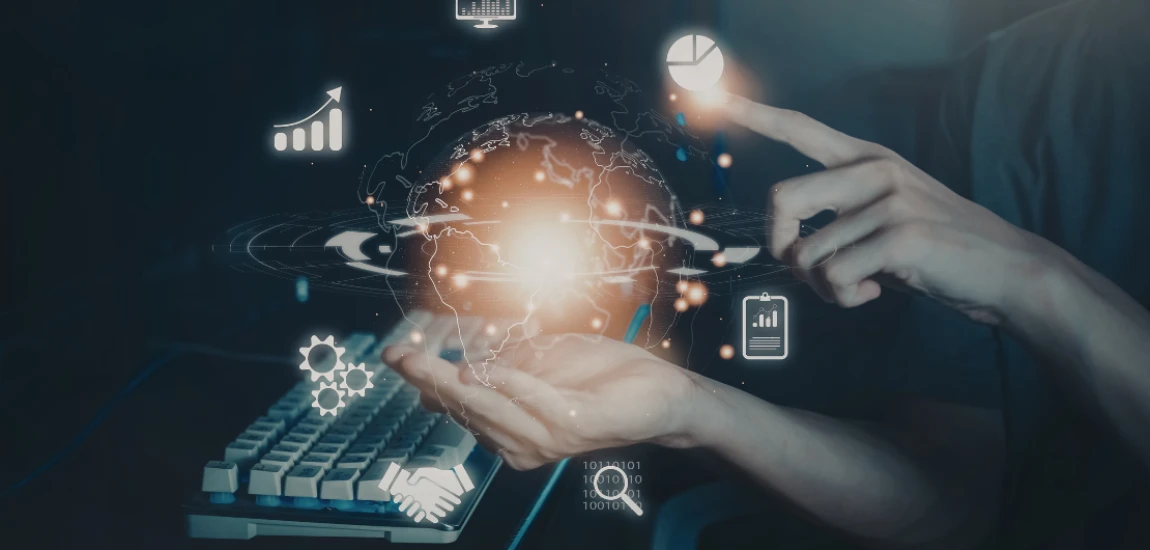
Throughout history, humans have continuously developed tools and technologies to extend their capabilities. From the invention of the wheel and the printing press to computers and smartphones, each technological breakthrough has enhanced how people interact with the world. Today, humanity is entering a new era where technology is no longer limited to external tools. Instead, emerging innovations are becoming integrated directly with the human body and mind, creating unprecedented opportunities for augmentation and enhancement.
Human Enhancement Technologies refer to a broad range of scientific and technological advancements designed to improve physical performance, cognitive abilities, sensory perception, health, and overall human potential. These technologies include neural interfaces, wearable devices, biotechnology, genetic engineering, artificial intelligence, advanced prosthetics, and brain-computer communication systems. Together, they represent a significant shift toward a future where human capabilities can be enhanced beyond natural biological limits.
The concept of augmented abilities is no longer confined to science fiction. Researchers are developing exoskeletons that increase strength, neural implants that restore mobility, smart wearables that monitor health in real time, and AI systems that assist with decision-making and learning. As these technologies continue to evolve, they promise to transform healthcare, education, industry, sports, defense, and everyday life.
However, the rise of human enhancement also raises important questions about ethics, accessibility, privacy, and social equality. Understanding both the opportunities and challenges associated with these innovations is essential as society moves toward a future where technology and biology become increasingly interconnected.
Understanding Human Enhancement Technologies

Defining Human Enhancement
Human enhancement refers to the use of technology to improve human capabilities beyond what is considered normal biological functioning. These improvements may involve physical strength, cognitive performance, sensory perception, emotional regulation, or longevity.
Unlike traditional medical treatments that focus on restoring health, enhancement technologies aim to optimize performance and unlock new abilities. This distinction creates exciting possibilities for innovation while also introducing ethical and societal considerations.
Researchers are exploring ways to augment nearly every aspect of human functionality, creating opportunities for transformative advancements across multiple fields.
The Evolution from Tools to Integration
For most of human history, tools remained separate from the body. Modern enhancement technologies represent a shift toward direct integration between humans and machines.
Wearable devices already provide continuous access to information and health monitoring. Neural interfaces and implanted systems take this integration further by establishing direct communication pathways between biological and digital systems.
As technology becomes increasingly integrated with the human body, the boundaries between natural and artificial capabilities may continue to blur.
Categories of Human Augmentation
Human enhancement technologies can generally be categorized into physical, cognitive, sensory, and biological enhancements. Physical enhancements improve strength, endurance, and mobility. Cognitive enhancements support learning, memory, and decision-making.
Sensory enhancements expand perception through advanced imaging, hearing assistance, and augmented reality systems. Biological enhancements focus on health optimization, disease prevention, and genetic modification.
Together, these categories form the foundation of future augmented human capabilities.
Cognitive Enhancement and Brain-Computer Integration

Brain-Computer Interfaces
Brain-computer interfaces are among the most revolutionary human enhancement technologies under development today. These systems create direct communication channels between the brain and external devices.
Neural interfaces allow users to control computers, prosthetics, and other systems using thoughts alone. Researchers are also exploring ways to enable bidirectional communication, where information can be transmitted directly into the brain.
Such capabilities may dramatically improve accessibility, productivity, and human-machine collaboration.
Artificial Intelligence as a Cognitive Partner
Artificial intelligence increasingly functions as an extension of human cognition. AI systems assist with information retrieval, problem-solving, data analysis, and decision-making.
Future cognitive enhancement platforms may integrate AI directly into daily activities, providing real-time support for learning, creativity, and complex reasoning tasks.
Rather than replacing human intelligence, AI augmentation aims to enhance cognitive performance and expand intellectual capabilities.
Memory and Learning Enhancement
Advances in neuroscience and neurotechnology are creating opportunities to improve memory formation, information retention, and learning efficiency.
Researchers are investigating techniques that stimulate neural pathways and support cognitive development. Personalized learning systems powered by AI can also adapt educational experiences to individual needs.
These innovations may fundamentally transform education and professional development.
Physical Augmentation and Performance Enhancement

Advanced Exoskeleton Systems
Exoskeleton technologies are designed to enhance physical strength, endurance, and mobility. These wearable robotic systems support movement and reduce physical strain during demanding activities.
Industrial workers can use exoskeletons to lift heavy loads safely, while medical applications assist patients recovering from injuries or mobility impairments.
As technology advances, exoskeletons may become lighter, smarter, and more versatile.
Smart Prosthetics and Bionic Limbs
Modern prosthetics have evolved far beyond simple mechanical replacements. Advanced bionic limbs incorporate sensors, AI algorithms, and neural interfaces that enable natural movement and control.
Users can perform increasingly complex tasks with enhanced precision and responsiveness. Some systems even provide sensory feedback, allowing users to experience touch and pressure.
These innovations improve quality of life and expand possibilities for individuals with physical disabilities.
Human Performance Optimization
Athletes, military personnel, and professionals operating in demanding environments may benefit from technologies designed to optimize physical performance.
Wearable monitoring systems track physiological conditions in real time, providing insights into fatigue, hydration, recovery, and performance metrics.
Data-driven optimization supports safer and more effective performance enhancement strategies.
Biotechnology and Genetic Enhancement

Precision Medicine and Personalized Healthcare
Biotechnology is transforming healthcare through personalized treatment approaches based on individual genetic profiles and biological characteristics.
Advanced diagnostic tools identify disease risks and enable proactive interventions. Precision medicine improves treatment effectiveness while minimizing adverse effects.
These capabilities contribute to healthier and longer lives.
Gene Editing and Genetic Engineering
Gene editing technologies offer the potential to correct genetic disorders and enhance biological functions. Scientists continue to explore safe and ethical applications of genetic modification.
Future developments may support disease prevention, improved resilience, and enhanced physiological performance.
While promising, genetic enhancement also raises complex ethical and regulatory questions.
Longevity and Healthy Aging
Human enhancement research increasingly focuses on extending healthy lifespan and reducing age-related decline. Advances in regenerative medicine, cellular therapies, and biotechnology contribute to this goal.
Researchers are developing interventions that promote tissue repair, improve metabolic function, and enhance overall well-being.
These innovations may significantly alter how society approaches aging and healthcare.


Anil Polat, behind the blog "FoxNomad," combines technology and travel. A computer security engineer by profession, he focuses on the tech aspects of travel.
Anil Polat
Prev Post

Next Post