
AI-Driven Ocean Carbon Recovery Systems and Marine Climate Stabilization Frameworks
Climate change has emerged as one of the most pressing global challenges of the twenty-first century. Rising atmospheric carbon dioxide levels, increasing global temperatures, ocean acidification, and the growing frequency of extreme weather events have intensified the search for innovative climate solutions. While reducing greenhouse gas emissions remains a critical priority, scientists increasingly recognize that emission reductions alone may not be sufficient to achieve long-term climate stability.
The world's oceans play a vital role in regulating Earth's climate. Covering more than seventy percent of the planet's surface, oceans act as massive carbon sinks, naturally absorbing substantial amounts of atmospheric carbon dioxide. Marine ecosystems such as phytoplankton communities, seagrass meadows, mangrove forests, and deep-ocean biological processes contribute significantly to global carbon cycling.
However, increasing environmental pressures threaten the effectiveness of these natural systems. Pollution, habitat destruction, overfishing, and climate-related changes have reduced the capacity of many marine ecosystems to support carbon sequestration and ecological balance.
This challenge has inspired the development of AI-Driven Ocean Carbon Recovery Systems and Marine Climate Stabilization Frameworks. These advanced approaches combine artificial intelligence, environmental monitoring technologies, autonomous marine platforms, predictive analytics, and ecosystem restoration strategies to optimize carbon recovery and enhance climate resilience.
By leveraging intelligent technologies and large-scale environmental data, future ocean restoration systems may become powerful tools in humanity's effort to stabilize the climate and protect marine ecosystems for future generations.
Understanding AI-Driven Ocean Carbon Recovery Systems

The Ocean as a Global Carbon Sink
Oceans naturally absorb vast quantities of atmospheric carbon dioxide through physical, chemical, and biological processes. This carbon is stored within seawater, marine organisms, coastal ecosystems, and deep-ocean sediments.
These natural carbon absorption mechanisms help regulate global temperatures and reduce the concentration of greenhouse gases in the atmosphere. However, environmental degradation can weaken these processes, reducing their effectiveness over time.
AI-driven carbon recovery systems aim to strengthen and optimize oceanic carbon sequestration by identifying opportunities for ecosystem enhancement and resource management.
Artificial Intelligence in Climate Monitoring
Artificial intelligence provides unprecedented capabilities for analyzing complex environmental systems. Machine learning algorithms process enormous volumes of oceanographic data collected from satellites, underwater sensors, autonomous vessels, and research stations.
These systems identify patterns, detect environmental changes, and generate predictive insights that support climate restoration efforts.
By continuously evaluating ocean conditions, AI enables more accurate and responsive carbon management strategies.
Marine Climate Stabilization Frameworks and Ecosystem Intelligence

Building Integrated Climate Management Networks
Marine climate stabilization frameworks operate as interconnected systems that combine environmental monitoring, ecosystem restoration, resource management, and predictive climate modeling.
Artificial intelligence serves as the coordinating intelligence layer, integrating information from diverse sources to create a comprehensive understanding of ocean conditions.
This holistic approach enables more effective planning and implementation of climate stabilization initiatives.
Ecosystem-Based Climate Solutions
Healthy marine ecosystems provide numerous climate-related benefits. Mangrove forests, seagrass habitats, coral reefs, and plankton populations all contribute to carbon storage and environmental resilience.
AI-powered frameworks identify vulnerable ecosystems and prioritize restoration efforts based on ecological significance and carbon sequestration potential.
Targeted interventions improve ecosystem health while enhancing climate mitigation outcomes.
Adaptive Environmental Management
Ocean conditions are constantly changing due to natural processes and human activities.
AI-driven management systems continuously evaluate environmental conditions and adjust restoration strategies accordingly. This adaptability improves effectiveness while supporting long-term sustainability.
Artificial Intelligence and Advanced Ocean Monitoring

Real-Time Environmental Observation
Modern climate restoration efforts depend on accurate and timely environmental data. Autonomous monitoring systems collect information on water temperature, salinity, carbon concentrations, biodiversity levels, and ecosystem health.
Artificial intelligence analyzes these datasets in real time, enabling rapid detection of environmental changes and emerging risks.
Continuous monitoring enhances situational awareness and supports evidence-based decision-making.
Predictive Climate Analytics
Machine learning models can forecast future environmental conditions by analyzing historical data and current trends.
Predictive analytics help scientists anticipate ecosystem responses, identify potential challenges, and optimize restoration planning.
These insights improve resource allocation and increase the likelihood of successful climate interventions.
Autonomous Ocean Research Platforms
Future marine monitoring networks may rely heavily on autonomous underwater vehicles, robotic sensors, and intelligent research platforms.
These technologies extend observational capabilities while reducing operational costs and improving data collection coverage.
Carbon Recovery Technologies and Restoration Strategies

Blue Carbon Ecosystem Restoration
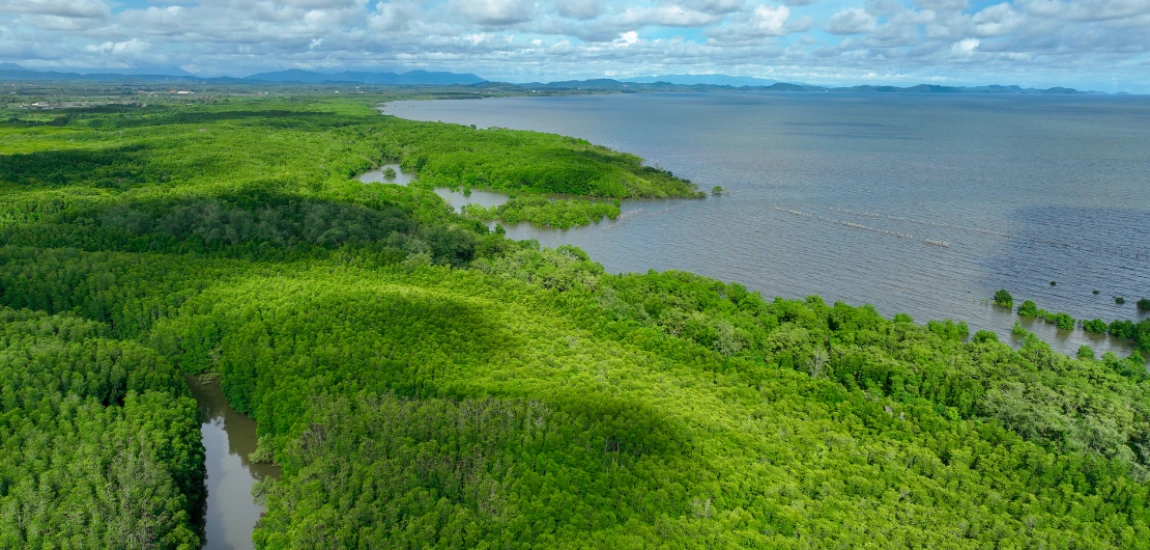
Blue carbon ecosystems are among the most effective natural carbon sinks on Earth. Mangroves, salt marshes, and seagrass meadows capture and store significant amounts of carbon while supporting biodiversity.
AI systems help identify degraded areas and prioritize restoration projects that maximize environmental benefits.
Restoring these ecosystems contributes to both climate mitigation and ecological conservation.
Marine Biological Enhancement
Phytoplankton play a critical role in ocean carbon cycling by absorbing carbon dioxide through photosynthesis.
Advanced monitoring systems can evaluate biological productivity and identify opportunities to support healthy marine ecosystems that contribute to carbon sequestration.
Careful management ensures ecological balance while enhancing climate benefits.
Ocean Carbon Storage Optimization
Emerging technologies may enable more efficient carbon storage within marine environments.
Artificial intelligence supports these efforts by evaluating environmental impacts, monitoring system performance, and ensuring sustainable implementation practices.


Known as "Nomadic Matt," Matthew Kepnes offers practical travel advice with a focus on budget backpacking. His blog aims to help people travel cheaper and longer.
Matthew Kepnes

Prev Post

Next Post