
Human Brain–Computer Symbiosis and Neural Data Integration Systems: The Future of Cognitive Augmentation
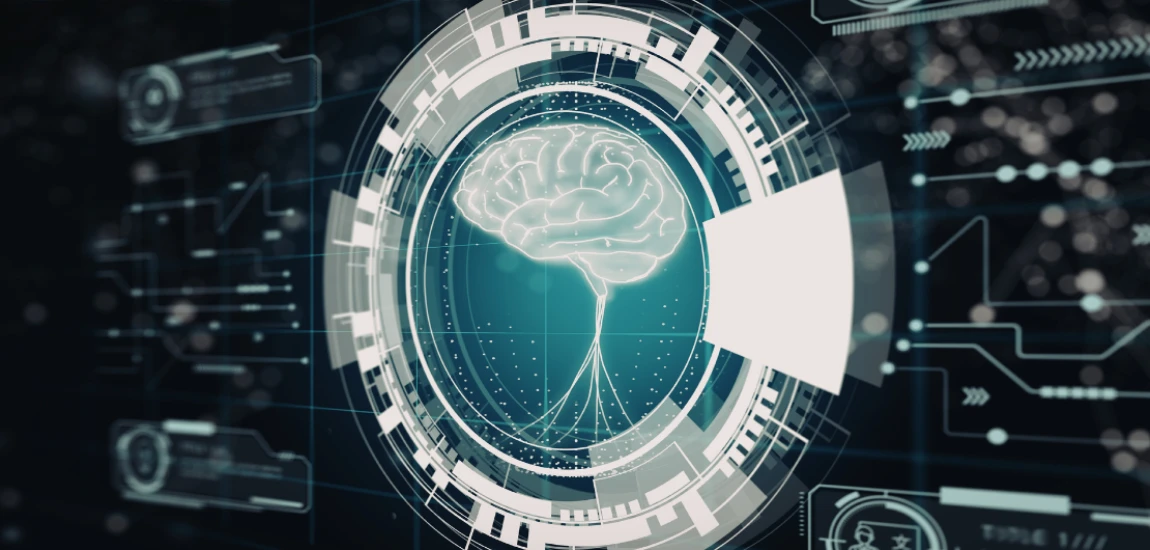
The interface between human cognition and artificial intelligence is rapidly evolving, giving rise to human brain–computer symbiosis. This revolutionary field seeks to create a seamless connection between the human brain and computational systems, allowing neural signals to be interpreted, processed, and acted upon in real time. Combined with neural data integration systems, these technologies enable not only the augmentation of human cognition but also unprecedented capabilities in medicine, research, and human-machine interaction.
Brain–computer symbiosis goes beyond traditional brain–computer interfaces (BCIs). While BCIs typically allow basic control of external devices, symbiotic systems integrate cognitive processes with artificial intelligence, enabling shared decision-making, predictive analytics, and adaptive learning. Neural data integration systems aggregate and analyze neural signals from multiple modalities, including EEG, fMRI, and intracortical recordings, creating a unified platform for interpreting complex brain activity.
This fusion of human cognition and machine intelligence promises transformative applications, from medical rehabilitation and mental health monitoring to cognitive enhancement and next-generation human–AI collaboration. In this blog, we will explore the principles, technologies, applications, benefits, challenges, and future of human brain–computer symbiosis.
Understanding Human Brain–Computer Symbiosis

Concept and Evolution of Brain–Machine Integration
Human brain–computer symbiosis refers to a continuous, interactive partnership between the brain and computational systems. Unlike traditional BCIs, which allow users to perform specific tasks such as moving a cursor or controlling a prosthetic, symbiotic systems enable real-time, dynamic interaction that adapts to the user’s cognitive state.
The concept traces back to early BCI experiments in the 1970s, but recent advancements in AI, neuroimaging, and neural decoding have made symbiosis feasible at a higher level of complexity. The goal is not just to control machines but to create a hybrid intelligence system where human intuition and machine computation complement each other.
Neural Signals and Data Interpretation
At the core of brain–computer symbiosis is the ability to read and interpret neural signals accurately. Techniques such as electroencephalography (EEG), magnetoencephalography (MEG), functional MRI (fMRI), and intracortical microelectrodes provide rich datasets representing brain activity.
These signals are complex, often noisy, and multidimensional. Advanced signal processing algorithms, combined with AI, decode these signals to extract intentions, cognitive patterns, and emotional states. This enables machines to respond to neural activity in a meaningful and adaptive manner.
Distinction from Conventional BCIs
Conventional BCIs are often limited to pre-defined control tasks. Brain–computer symbiosis, by contrast, aims for bidirectional communication, where both the human and the system can adapt to each other’s behavior. This creates a dynamic feedback loop, enhancing learning, decision-making, and situational awareness.
Symbiosis extends cognitive reach, allowing humans to process and integrate information at speeds and scales beyond natural capacity.
Core Technologies Behind Neural Data Integration Systems

Neuroimaging and Electrophysiology
Neural data integration systems rely on diverse neuroimaging and electrophysiological tools. EEG captures electrical brain activity, while fMRI maps changes in blood flow, providing high-resolution spatial data. Intracortical arrays record neural spikes at single-neuron resolution.
By combining these data sources, integration systems can create a comprehensive model of brain activity, capturing both macro- and micro-level patterns. This fusion enhances the accuracy of decoding cognitive states.
Artificial Intelligence and Machine Learning
AI and machine learning are essential for interpreting neural data. Deep learning models can identify patterns, predict user intentions, and even detect subtle cognitive changes.
Predictive modeling enables the system to anticipate human actions, providing proactive assistance or interventions. Reinforcement learning allows the AI to adapt its responses to individual users over time, creating personalized symbiotic interactions.
Data Fusion and Real-Time Processing
Neural data integration requires the fusion of multiple data streams in real time. High-speed data acquisition systems, cloud-based processing, and edge computing enable low-latency interpretation of neural signals.
This capability ensures that responses are immediate and contextually appropriate, which is crucial for applications such as prosthetic control, adaptive learning environments, and cognitive augmentation.
Applications Across Industries

Medical Rehabilitation and Prosthetics
Brain–computer symbiosis enables advanced prosthetic control for individuals with motor impairments. By decoding motor intentions from neural signals, users can control artificial limbs with high precision.
In rehabilitation, symbiotic systems provide real-time feedback, helping patients retrain neural pathways after stroke or injury. Adaptive systems can adjust therapy based on cognitive fatigue or progress, improving recovery outcomes.
Mental Health Monitoring and Cognitive Enhancement
Neural data integration allows continuous monitoring of brain activity related to mood, attention, and stress. AI systems can detect early signs of depression, anxiety, or cognitive decline.
Beyond healthcare, cognitive enhancement applications include attention augmentation, memory support, and decision-making assistance. Symbiotic systems can provide real-time cues or adaptive learning tools to enhance performance in complex tasks.
Human–Machine Collaboration and Industry 4.0
In industrial and research settings, brain–computer symbiosis can facilitate complex human–machine collaboration. Operators can control robots or AI systems using thought patterns, improving precision and speed.
In research environments, integration systems allow scientists to manipulate simulations or interpret large datasets using intuitive neural inputs, expanding human cognitive capacity.
Benefits of Human Brain–Computer Symbiosis

Enhanced Cognitive Capabilities
Symbiotic systems augment human cognition by combining the brain’s creativity and intuition with the computational power of AI. This enables faster decision-making, better problem-solving, and improved situational awareness.
Adaptive and Personalized Interaction
By continuously learning from neural signals, these systems adapt to individual cognitive styles, preferences, and needs. Personalized adaptation ensures optimal interaction and effectiveness in both clinical and professional environments.
Accelerated Innovation and Learning
Incorporating neural data into AI-driven workflows accelerates learning and innovation. Researchers, engineers, and students can offload complex computations to symbiotic systems, gaining insights more rapidly than with conventional methods.


Gary Arndt operates "Everything Everywhere," a blog focusing on worldwide travel. An award-winning photographer, Gary shares stunning visuals alongside his travel tales.
Gary Arndt
Prev Post

Next Post