
Human Augmentation Technologies and the Future of AI-Enhanced Physical and Cognitive Abilities
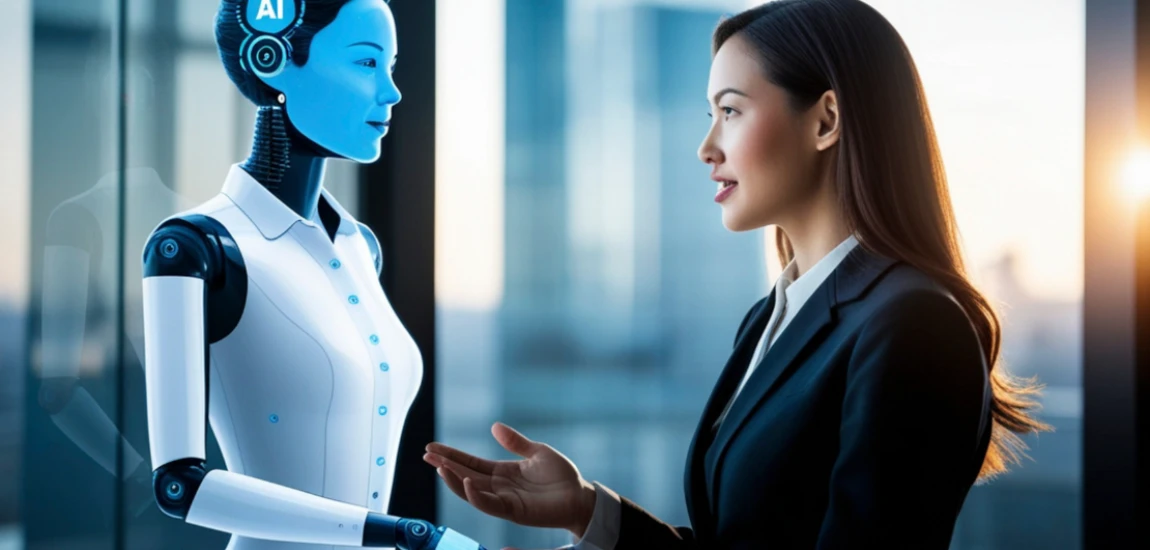
Technology has always extended human capabilities, from simple tools and machines to modern computers and smartphones. Today, innovation is entering a new era through human augmentation technologies, which combine artificial intelligence, robotics, wearable devices, biotechnology, and brain-computer interfaces to enhance both physical and cognitive performance. Rather than replacing human abilities, these technologies are designed to support, strengthen, and expand them, enabling people to perform tasks more efficiently, recover from injuries, and interact with digital systems in entirely new ways.
Human augmentation includes a wide range of innovations such as intelligent prosthetic limbs, AI-powered exoskeletons, neural interfaces, smart wearables, augmented reality devices, and cognitive assistance systems. Artificial intelligence plays a central role by analyzing biological signals, adapting to individual users, and providing personalized support in real time. These intelligent systems can improve mobility, increase workplace safety, assist medical rehabilitation, enhance learning, and optimize decision-making across many industries.
As advances in artificial intelligence, neuroscience, biotechnology, and robotics continue to accelerate, human augmentation technologies are expected to become increasingly integrated into daily life. While these developments offer remarkable opportunities for improving quality of life and productivity, they also raise important ethical, social, and security considerations. Responsible innovation will be essential to ensure these technologies benefit society while protecting privacy, fairness, and human autonomy.
Understanding Human Augmentation Technologies

What Are Human Augmentation Technologies?
Human augmentation technologies are advanced systems designed to improve or restore physical, sensory, and cognitive capabilities through the integration of technology with the human body. These solutions range from wearable smart devices and robotic exoskeletons to intelligent prosthetics and brain-computer interfaces. Unlike conventional medical devices, modern augmentation technologies use artificial intelligence to continuously learn from user behavior, adapt to changing conditions, and provide increasingly personalized support. Their primary objective is not only to restore lost abilities but also to enhance human performance beyond traditional biological limitations.
Core Components of Human Augmentation
Several cutting-edge technologies work together to create effective human augmentation systems. Artificial intelligence processes biological and environmental data to optimize device performance, while wearable sensors continuously monitor movement, heart rate, muscle activity, and other physiological signals. Robotics provides mechanical assistance for movement and rehabilitation, while brain-computer interfaces establish direct communication between neural activity and digital systems. Advanced materials, wireless communication, cloud computing, and edge computing further improve responsiveness, comfort, and reliability, allowing augmentation devices to function naturally within everyday environments.
Why Human Augmentation Is Gaining Global Attention
The growing demand for healthcare innovation, workplace safety, aging population support, and enhanced productivity is accelerating the development of human augmentation technologies worldwide. Individuals recovering from injuries can regain mobility through AI-powered prosthetics and robotic rehabilitation systems, while healthy users benefit from wearable technologies that improve physical performance and cognitive efficiency. Businesses, research institutions, healthcare providers, and governments are investing heavily in these technologies because they offer opportunities to improve quality of life, reduce healthcare costs, and strengthen human-machine collaboration across numerous industries.
Technologies Driving AI-Enhanced Physical and Cognitive Abilities

Artificial Intelligence and Machine Learning
Artificial intelligence serves as the intelligence engine behind modern human augmentation systems. AI algorithms analyze enormous amounts of physiological and behavioral data to personalize device performance according to each user's unique needs. Machine learning continuously improves system accuracy by learning from previous interactions, allowing prosthetic limbs, wearable devices, and cognitive assistants to become more responsive over time. This adaptive capability enables augmentation technologies to deliver increasingly natural movement, more accurate predictions, and better overall user experiences across healthcare, education, and industrial applications.
Brain-Computer Interfaces and Neural Engineering
Brain-computer interfaces represent one of the most exciting developments in human augmentation research. These systems interpret electrical signals generated by the brain and convert them into commands that control computers, robotic limbs, or communication devices. Neural engineering combines neuroscience, electronics, and artificial intelligence to create direct communication pathways between humans and machines. Although still evolving, these technologies have significant potential to assist individuals with paralysis, neurological disorders, or severe physical disabilities while opening new possibilities for advanced human-computer interaction.
Wearable Devices, Robotics, and Intelligent Sensors
Wearable technologies equipped with intelligent sensors continuously monitor movement, posture, muscle activity, heart rate, and environmental conditions to provide real-time feedback and personalized assistance. AI-powered robotic exoskeletons improve mobility for individuals recovering from injuries while supporting workers performing physically demanding tasks. Intelligent prosthetic limbs equipped with advanced sensors and machine learning algorithms enable increasingly natural movement and greater independence. Together, these technologies are expanding the possibilities of human augmentation by improving physical performance, enhancing safety, and supporting more effective interaction between humans and intelligent machines.
Applications of Human Augmentation Technologies Across Modern Industries

Healthcare, Rehabilitation, and Personalized Medicine
Human augmentation technologies are revolutionizing healthcare by improving patient recovery, restoring mobility, and supporting personalized treatment. AI-powered prosthetic limbs enable amputees to perform natural movements through intelligent sensors that adapt to muscle signals and user behavior. Robotic exoskeletons assist patients recovering from strokes, spinal cord injuries, and neurological disorders by providing guided movement during rehabilitation. Brain-computer interfaces help individuals with severe physical disabilities communicate and control digital devices using neural activity. Wearable health monitors continuously collect physiological data such as heart rate, oxygen levels, sleep patterns, and movement, allowing healthcare professionals to identify potential medical issues before they become serious. Artificial intelligence analyzes this information to provide personalized recommendations, improve treatment planning, and support preventive healthcare. As medical technologies continue advancing, human augmentation is expected to improve patient independence, reduce long-term healthcare costs, and deliver more accurate, data-driven medical care.
Industrial Productivity, Defense, and Workplace Safety
Industries that require physically demanding work are increasingly adopting AI-enhanced augmentation technologies to improve productivity and reduce workplace injuries. Intelligent robotic exoskeletons provide mechanical support for lifting heavy equipment, reducing strain on muscles and joints while improving worker endurance. Smart helmets, wearable sensors, and augmented reality devices provide real-time safety alerts, equipment diagnostics, and operational guidance, helping employees make informed decisions in hazardous environments. Defense organizations are also researching augmentation technologies that improve soldier mobility, endurance, situational awareness, and communication without replacing human judgment. Artificial intelligence continuously analyzes environmental conditions and user performance to optimize assistance while minimizing fatigue. These technologies improve workplace efficiency, reduce accident risks, and enable professionals to perform demanding tasks with greater precision and confidence.
Education, Smart Living, and Human-Computer Interaction
Human augmentation technologies are creating more personalized learning experiences and transforming everyday interactions with digital systems. AI-powered cognitive assistants help students improve memory, language learning, problem-solving, and time management by adapting educational content to individual learning styles. Augmented reality glasses and wearable displays provide interactive learning environments that make complex concepts easier to understand. Smart wearable devices also assist individuals in daily activities by monitoring health, providing navigation support, translating languages in real time, and enhancing accessibility for people with visual or hearing impairments. Brain-computer interfaces and intelligent voice assistants further strengthen communication between humans and machines, enabling faster, more natural interaction with computers, smart homes, and connected digital ecosystems.


Gilbert Ott, the man behind "God Save the Points," specializes in travel deals and luxury travel. He provides expert advice on utilizing rewards and finding travel discounts.
Gilbert Ott

Prev Post
Next Post