
Emotionally Adaptive AI and Real-Time Behavioral Intelligence Systems
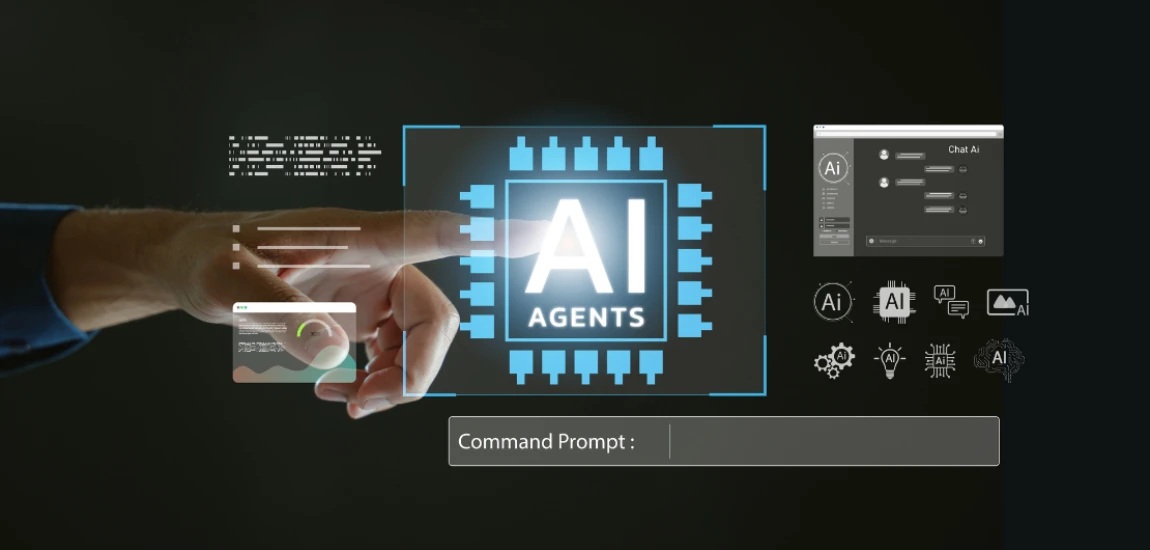
Artificial intelligence is no longer limited to automation and logic—it is becoming deeply human-centric. The emergence of emotionally adaptive AI marks a turning point where machines are designed not just to think, but to feel and respond intelligently to human emotions. This evolution is driving the rise of real-time behavioral intelligence systems, which continuously analyze user behavior and emotional signals to deliver highly personalized experiences.
In today’s digital landscape, user experience is everything. Systems that can detect frustration, confusion, or satisfaction in real time have a significant advantage. For example, an AI-powered assistant that senses user frustration can simplify its responses or offer help proactively. Similarly, learning platforms can adapt lessons based on student engagement levels.
This shift toward emotional intelligence in AI is powered by advancements in machine learning, sensor technologies, and behavioral analytics. It is redefining industries such as healthcare, education, marketing, and customer service.
As organizations strive to build stronger relationships with users, emotionally adaptive AI is becoming a critical tool. In the following sections, we will explore its foundations, technologies, applications, benefits, challenges, and future opportunities in depth.
Understanding Emotionally Adaptive AI

What is Emotionally Adaptive AI
Emotionally adaptive AI refers to intelligent systems capable of detecting, interpreting, and responding to human emotions in real time. These systems go beyond traditional automation by incorporating emotional awareness into their decision-making processes.
They rely on multimodal data inputs such as facial expressions, voice tone, text sentiment, and behavioral patterns. By analyzing these signals, the AI can determine how a user is feeling and adjust its responses accordingly. This creates a more natural and human-like interaction.
Additionally, emotionally adaptive AI is designed to learn continuously. As it interacts with users, it refines its understanding of emotional cues, making it more accurate over time. This dynamic learning capability is what sets it apart from conventional AI systems.
How Emotional Intelligence is Integrated
Integrating emotional intelligence into AI involves combining multiple technologies and data sources. Machine learning models are trained on vast datasets containing emotional expressions and behavioral patterns. These models learn to associate specific signals with emotional states.
Speech recognition systems analyze vocal features such as pitch, speed, and tone, while natural language processing evaluates word choice and sentence structure. Computer vision systems detect facial expressions and micro-expressions.
The integration of these technologies allows AI systems to create a comprehensive emotional profile of the user. This enables more accurate and context-aware responses.
Evolution of Affective Computing
Emotionally adaptive AI is rooted in affective computing, a field that began as an experimental area of research. Early systems were limited in their ability to accurately detect emotions due to technological constraints.
However, advancements in deep learning and sensor technologies have significantly improved accuracy and scalability. Today, affective computing is being applied in real-world scenarios, from virtual assistants to mental health platforms.
As research continues, emotionally adaptive AI is expected to become even more sophisticated, enabling deeper emotional understanding and interaction.
Core Technologies Behind Behavioral Intelligence Systems

Machine Learning and Deep Learning
Machine learning forms the backbone of emotionally adaptive AI. These systems use algorithms that learn from data to identify patterns and make predictions. Deep learning, a subset of machine learning, is particularly effective in processing complex emotional data.
Neural networks can analyze large volumes of data, identifying subtle emotional cues that may not be obvious to humans. This enables highly accurate emotion detection and prediction.
Moreover, reinforcement learning allows systems to improve through feedback, refining their responses based on user interactions.
Natural Language Processing and Speech Analysis
Natural language processing (NLP) enables AI to understand and interpret human language. It analyzes text for sentiment, intent, and emotional tone, providing insights into user emotions.
Speech analysis complements NLP by examining vocal characteristics. For example, changes in pitch or speaking speed can indicate stress or excitement. Combining these insights enhances emotional understanding.
These technologies are particularly useful in applications such as customer support and virtual assistants, where communication is primarily verbal or text-based.
Computer Vision and Facial Recognition
Computer vision enables AI systems to interpret visual data, including facial expressions and body language. Facial recognition algorithms analyze features such as eye movement, mouth position, and muscle tension.
This allows systems to detect emotions with high accuracy, even in real-time scenarios. Advanced systems can also recognize micro-expressions, which are brief, involuntary facial expressions that reveal true emotions.
By integrating visual data with other inputs, AI systems achieve a holistic understanding of user emotions.
Applications of Emotionally Adaptive AI

Customer Experience and Support
Emotionally adaptive AI is transforming customer service by enabling empathetic interactions. AI-powered chatbots and virtual assistants can detect customer emotions and adjust their responses accordingly.
For instance, if a customer is frustrated, the system can prioritize resolving their issue quickly or escalate the conversation to a human agent. This improves customer satisfaction and loyalty.
Businesses can also use emotional data to refine their services and improve user experiences.
Healthcare and Mental Health
In healthcare, emotionally adaptive AI is being used to monitor patient well-being and provide mental health support. These systems can detect signs of stress, anxiety, or depression through speech and behavior analysis.
They can offer personalized recommendations, alert healthcare providers, and even provide therapeutic interventions. This is particularly valuable in remote healthcare settings.
Education and Learning Systems
Emotionally adaptive AI is enhancing education by creating personalized learning experiences. Systems can detect student engagement levels and adjust content accordingly.
For example, if a student appears confused, the system can provide additional explanations or simplify the material. This improves learning outcomes and keeps students motivated.
Benefits of Real-Time Behavioral Intelligence Systems

Enhanced Personalization
One of the most significant benefits of emotionally adaptive AI is its ability to deliver personalized experiences. By understanding user emotions, systems can tailor their responses to meet individual needs.
This level of personalization improves user satisfaction and engagement, making interactions more meaningful.
Improved Decision-Making
Real-time behavioral intelligence provides valuable insights into user behavior and preferences. Organizations can use this data to make informed decisions and optimize their strategies.
For example, marketers can adjust campaigns based on customer reactions, while educators can refine teaching methods.
Stronger Human-Machine Interaction
Emotionally adaptive AI enables more natural and intuitive interactions between humans and machines. By responding to emotions, systems create a sense of empathy and understanding.
This builds trust and enhances the overall user experience.


Known as "Nomadic Matt," Matthew Kepnes offers practical travel advice with a focus on budget backpacking. His blog aims to help people travel cheaper and longer.
Matthew Kepnes

Prev Post

Next Post