
DNA-Based Data Storage and the Future of Ultra-Dense Digital Archives
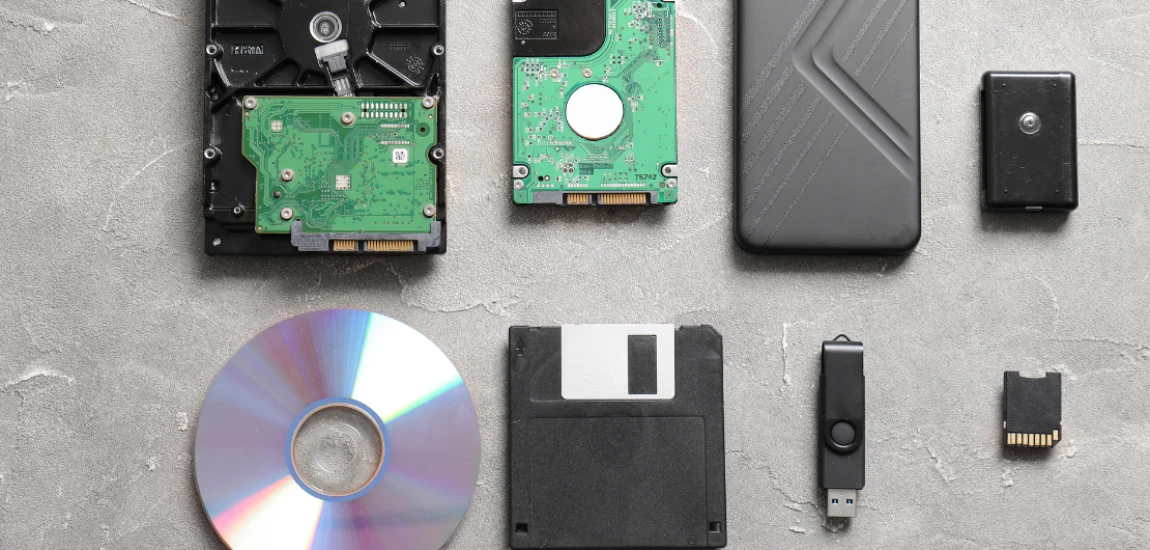
The world is producing data at an extraordinary rate. Every day, billions of people create photos, videos, documents, messages, scientific records, financial transactions, sensor readings, and artificial intelligence datasets. Businesses, governments, research institutions, and individuals are increasingly dependent on digital archives to preserve this information for years or even centuries.
However, traditional data storage technologies face growing challenges. Hard drives, solid-state storage, magnetic tape, and large-scale data centers require significant physical space, electricity, cooling, maintenance, and hardware replacement. As global data volumes continue to expand, the technology industry is searching for storage systems that can provide greater density, durability, and efficiency.
This search has led researchers to one of nature’s most remarkable information storage systems: DNA.
DNA-based data storage is an emerging technology that encodes digital information into the molecular structure of deoxyribonucleic acid. Instead of storing data as magnetic states or electronic charges, DNA storage represents information through sequences of biological molecules known as nucleotides.
The potential is extraordinary. DNA is incredibly compact, can remain stable for very long periods under appropriate conditions, and has evolved naturally to preserve genetic information. Researchers are exploring how the same molecular properties could be used to create ultra-dense digital archives.
DNA data storage is not expected to replace every conventional storage device. It is more likely to become a specialized technology for long-term archival information that does not need to be accessed constantly. Historical records, scientific datasets, cultural archives, legal documents, and other valuable information could potentially be preserved in molecular form.
As digital society continues to generate more information than traditional storage infrastructure can efficiently manage, DNA-based data storage may offer a radically different vision of the future: an archive measured not in buildings or data centers, but in tiny molecular containers capable of preserving vast quantities of information.
What Is DNA-Based Data Storage?

Turning Digital Information into Biological Molecules
DNA-based data storage works by translating digital information into sequences of DNA nucleotides. Digital systems traditionally represent data using binary code consisting of zeros and ones. DNA, however, is built from four chemical bases: adenine, thymine, cytosine, and guanine.
Data storage systems can create algorithms that convert binary information into combinations of these four molecular symbols. The resulting sequence can then be synthesized into physical DNA molecules.
When the information needs to be accessed, scientists can sequence the DNA and convert the molecular sequence back into digital data.
The basic concept is similar to writing information into a new physical medium. Instead of recording data on magnetic surfaces or electronic memory cells, the information is encoded into molecular sequences.
Why DNA Is Attractive for Digital Archives
DNA offers several characteristics that make it attractive for long-term data storage. It is extremely compact, meaning enormous amounts of information can theoretically be stored in a very small physical space.
DNA can also remain stable for long periods when stored in appropriate conditions. Biological samples thousands of years old have provided scientists with genetic information, demonstrating the long-term preservation potential of the molecule.
Another advantage is that DNA does not require continuous electricity to maintain the information. Unlike active digital storage systems that consume energy for operation and cooling, a properly preserved DNA archive could remain inactive for long periods.
A Different Model of Digital Storage
DNA storage is designed for a different purpose than a smartphone or computer drive. Traditional storage systems prioritize fast access and frequent rewriting. DNA archives are more closely associated with deep storage.
A DNA archive could contain information that is rarely accessed but must be preserved for decades, centuries, or potentially longer.
This makes the technology particularly interesting for institutions responsible for long-term information preservation.
How DNA Data Storage Technology Works

Encoding Data into DNA Sequences
The first stage of DNA-based data storage involves converting digital information into a molecular code.
A file, image, video, or document is represented digitally and then transformed into a sequence of DNA bases. Sophisticated encoding algorithms are used to ensure that the information can be accurately synthesized and later recovered.
Because DNA synthesis and sequencing can introduce errors, storage systems may include additional information for error correction.
This is important because a single molecular error could potentially alter the meaning of stored data. Redundant coding and advanced algorithms help identify and repair errors during the recovery process.
DNA Synthesis and Molecular Preservation
Once digital information has been converted into a DNA sequence, the sequence can be synthesized in a laboratory.
The resulting DNA molecules can be stored in different physical formats. Researchers have explored approaches involving liquid solutions, dried DNA, and DNA embedded within protective materials.
The objective is to protect the molecules from environmental conditions that could cause degradation.
For long-term digital archives, storage conditions would need to be carefully controlled. Temperature, humidity, light exposure, and chemical conditions can influence DNA stability.
Reading Data Through DNA Sequencing
When stored information is needed, the DNA must be read through sequencing technology.
The sequencing process identifies the molecular bases in the stored DNA. Software then converts the sequence back into the original digital format.
The ability to accurately recover data depends on both the quality of the stored DNA and the accuracy of the sequencing technology.
As DNA sequencing continues to improve, the process may become faster and more cost-effective.
The Advantages of DNA-Based Data Storage

Ultra-High Storage Density
One of the most frequently discussed benefits of DNA storage is its extraordinary theoretical density.
DNA molecules are incredibly small, allowing vast quantities of information to be stored in tiny physical spaces. This could dramatically reduce the physical footprint required for certain types of digital archives.
Instead of maintaining enormous facilities filled with storage hardware, organizations could potentially preserve massive datasets in compact molecular repositories.
This could be particularly valuable as the global demand for data storage continues to grow.
Long-Term Data Preservation
Traditional storage devices have limited lifespans. Hard drives can fail, storage media can degrade, and hardware formats can become obsolete.
DNA offers a potentially different preservation model. When carefully protected, DNA can remain stable for long periods.
For archivists, this creates the possibility of storing information in a medium that does not require constant hardware replacement.
However, long-term preservation still requires careful management. The DNA may remain intact, but future generations will also need access to the technology and knowledge required to read it.
Reduced Energy Requirements
Traditional data centers consume significant amounts of electricity. Servers, cooling systems, networking equipment, and backup infrastructure all contribute to energy demand.
A DNA archive that is stored in an inactive state may require far less energy than continuously powered digital infrastructure.
This could make molecular storage attractive for organizations seeking more sustainable approaches to long-term data preservation.
DNA storage would not eliminate energy consumption entirely. Data must still be synthesized, sequenced, processed, and managed. However, the long-term preservation stage could potentially require less continuous power.
Applications of DNA-Based Digital Archives

Preserving Cultural and Historical Records
Museums, libraries, universities, and governments are responsible for preserving enormous quantities of cultural information.
Historical documents, photographs, films, manuscripts, recordings, and digital collections could potentially be archived using DNA storage.
The ability to preserve information in extremely compact formats could help institutions protect cultural heritage for future generations.
A DNA archive could potentially store large collections that would otherwise require extensive physical infrastructure.
Scientific and Research Data
Modern science produces enormous datasets. Astronomy, genomics, climate science, particle physics, medical research, and artificial intelligence all generate information that may need to be preserved for future analysis.
Some datasets may be too valuable to delete but too large to maintain indefinitely using conventional storage systems.
DNA could become a deep archive for scientific information. Researchers could preserve experimental results, genomic records, climate observations, and simulation data for future generations.
This could be especially valuable because future technologies may discover new uses for old datasets.
Government and Enterprise Archives
Governments and businesses must preserve legal, financial, administrative, and historical records.
DNA-based storage could provide an additional option for long-term archival systems.
Organizations could potentially maintain molecular backup copies of critical information, protecting against hardware failure, technological obsolescence, or infrastructure disruption.
However, access controls, encryption, authentication, and governance would remain essential.


Shivya Nath authors "The Shooting Star," a blog that covers responsible and off-the-beaten-path travel. She writes about sustainable tourism and community-based experiences.
Shivya Nath
Prev Post

Next Post